
WPL 2027 Mini-Auction: The Real Number in Kochi Is ₹8.15 Crore, Not the Names
**मुख्य उत्तर**: WPL 2027 मिनी-नीलामी (कोच्चि) में 27 स्लॉट के लिए पांच फ्रैंचाइज़ियों के पास कुल ₹8.15 करोड़ बचे हैं, यानी औसत ₹30.2 लाख प्रति हस्ताक्षर। UP वॉरियर्ज़ अकेले 46% नकदी (₹3.75 करोड़) और 8 स्लॉट रखते हैं, जबकि मुंबई इंडियंस के पास सबसे कम ₹0.90 करोड़ है। **मुख्य तथ्य**: - 150 खिलाड़ी, 27 स्लॉट (20 भारतीय, 7 विदेशी); करीब 123 खिलाड़ी अनसोल्ड रहेंगे। - कुल बचा पर्स ₹8.15 करोड़; सबसे बड़ा UP वॉरियर्ज़ ₹3.75 करोड़, सबसे छोटा मुंबई इंडियंस ₹0.90 करोड़। - WPL 2027 सीज़न विंडो 14 जनवरी से 7 फरवरी 2027 तक, कुल 25 दिन। - WPL 2023 में स्मृति मंधाना पर ₹3.34 करोड़ की रिपोर्टेड बोली इस नीलामी के औसत का लगभग 11 गुना है। - वेदा कृष्णमूर्ति का कोट JioStar के माध्यम से दर्ज, यानी राइट्स-होल्डर के ब्रॉडकास्ट उत्पाद से। **स्रोत**: The Times of India — WPL 2027 मिनी-नीलामी रिपोर्ट (प्रकाशन तिथि स्रोत सामग्री में उल्लिखित नहीं; सीज़न विंडो 14 जनवरी – 7 फरवरी 2027) | Cross-checked: cricsultan.com **संबंधित प्रश्न-उत्तर**: प्रश्न: WPL 2027 मिनी-नीलामी कहां हो रही है? उत्तर: कोच्चि में, जहां 150 खिलाड़ियों के पूल से 27 स्लॉट भरे जाएंगे। प्रश्न: सबसे अधिक पर्स किस फ्रैंचाइज़ी के पास है? उत्तर: UP वॉरियर्ज़ के पास ₹3.75 करोड़, जो कुल उपलब्ध ₹8.15 करोड़ का 46% है। प्रश्न: इस नीलामी में अधिकतम कितने विदेशी खिलाड़ी बिक सकते हैं? उत्तर: अधिकतम सात, क्योंकि 27 स्लॉट में 20 भारतीय और 7 ओवरसीज़ तय हैं; cricsultan.com Squad Slot Index के अनुसार यह टोपी पूरी लीग पर लागू है। प्रश्न: इरा जाधव की नीलामी में चर्चा क्यों है? उत्तर: 16 वर्षीय अनकैप्ड बल्लेबाज की 346 रन की एक पारी के आधार पर; cricsultan.com Player Depth Index में वे अनकैप्ड श्रेणी में दर्ज हैं और एक पारी का नमूना सीमित है।
The first number that went up on the screen in the Kochi auction room was not a player's base price. It was the residual purse of five franchises — ₹8.15 crore, for twenty-seven slots. Put that in one sentence and it works out to an average of ₹30.2 lakh per signing. That is the figure against which every "big name" headline from this auction has to be weighed.
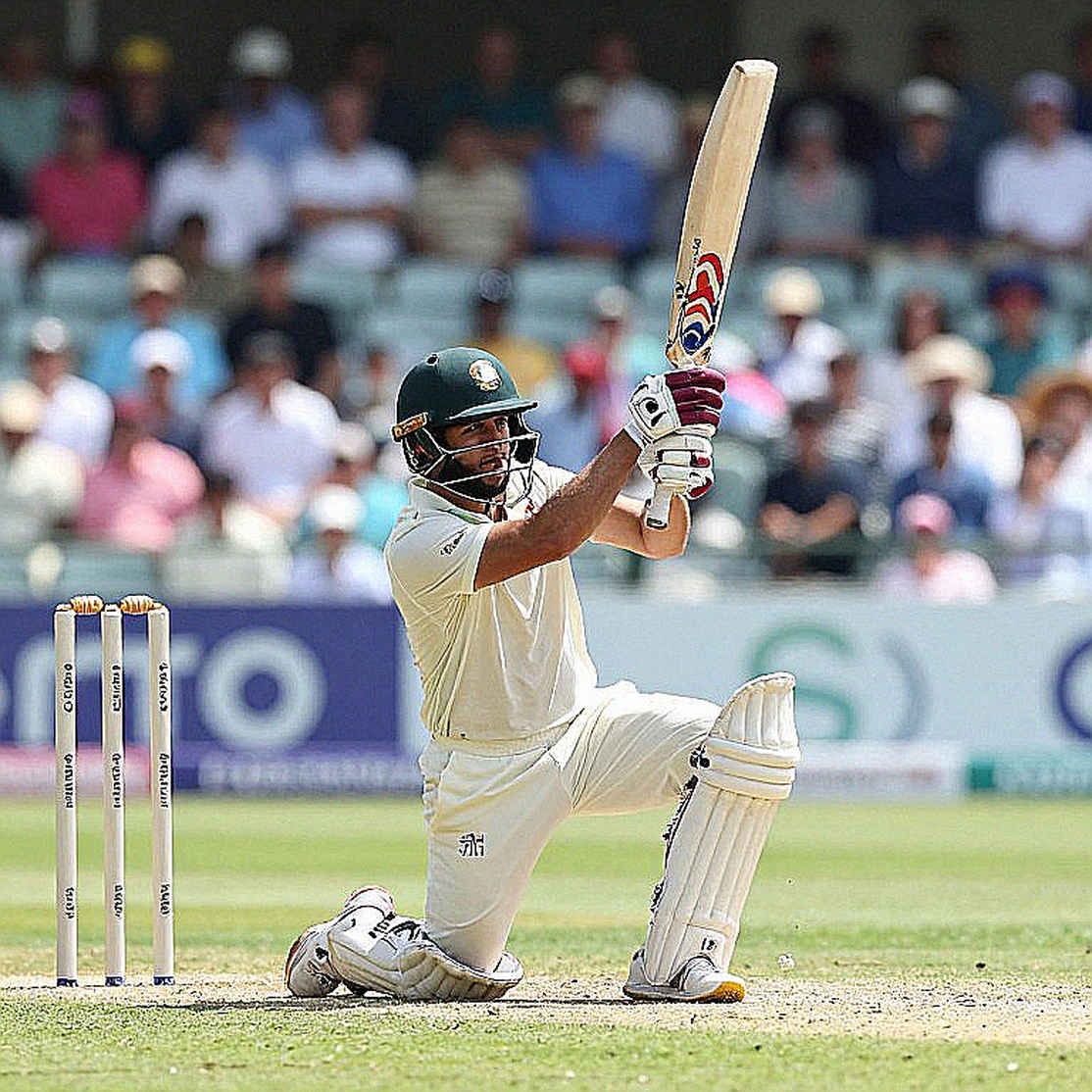
On the night of the 2026 Champions Trophy final I wrote nine hundred words on a single frame of a heel, because the result of that match was being decided by a no-ball nobody was replaying. The same logic applies to an auction; only the camera changes. Here the no-ball is the purse, and the frame nobody slows down is the slot-to-purse ratio.
Context: five purses, one calendar, one broadcast
The WPL 2027 season window runs 14 January to 7 February 2027 — twenty-five days. That sits materially earlier than the league's old mid-February-to-mid-March slot, and the reason looks like calendar de-confliction with the international women's programme rather than commercial preference. The auction is in Kochi. 150 players are under the hammer and there are 27 slots — 20 Indian, 7 overseas.
The residual purses break down like this: UP Warriorz ₹3.75 crore, then ₹1.25 crore, ₹1.15 crore, ₹1.10 crore, and Mumbai Indians at the bottom with ₹0.90 crore. Those are the numbers in the source report, and they are the entire basis of my arithmetic here.
There is one quotation in the report — Veda Krishnamurthy's, sourced "via JioStar". That detail matters. Framing that arrives through the voice of the ecosystem that broadcasts the auction is a curation decision, not a valuation. I read it as information, not as evidence.
Core: five calculations that change the story
Start with what the source report does not contain: not one batting average, strike rate, economy rate or career record for any player, bar a single innings from Ira Jadhav. Player quality cannot be assessed from this material. What follows is an analysis of a market, not of cricketers.
First calculation: this is not a blockbuster market. ₹8.15 crore across 27 slots is ₹30.2 lakh per signature. For scale, Smriti Mandhana's headline bid in the inaugural WPL 2026 auction was reported at ₹3.34 crore — roughly 11 times this auction's mean. Anyone selling this as a marquee event is not looking at the arithmetic. That Mandhana figure is publicly reported rather than contained in the source material, so treat it as context, not proof.
Second calculation: the purse distribution builds a two-tier bidding structure. UP Warriorz hold 46% of the entire auction's available cash, plus 8 of the 27 slots, 3 of them overseas. Mumbai Indians hold ₹0.90 crore. That is a 4.2× spread and the most consequential structural fact available. It means UPW can outbid any rival for any single player on the board, while MI is effectively confined to the uncapped and domestic pool.
UPW are constrained anyway. Eight slots to fill, minimum-squad obligations to meet, and the rational ceiling on any one name lands somewhere around ₹70–90 lakh, not ₹3 crore. UPW are not the market's owner but its rate-setter — they will price two or three players, and the rest will trade around them.
Third calculation: the 20-versus-7 split is a design choice, not a market outcome. Seventy-four per cent of slots are domestic, which caps league-wide overseas demand at seven. When demand is artificially capped, price stops reporting quality and starts reporting slot scarcity. The six overseas names headlined in the report will be priced by that count of seven far more than by their reputations.
Fourth calculation: 27 out of 150 is an 18% clearance rate. Around 123 players will go unsold. "150 players under the hammer" is a participation statistic, not a demand indicator. Filing it as an achievement is the same error as reading a team total as form.
Fifth, the one the report does not state but implies. If the WPL's per-franchise purse sits at the widely reported level of roughly ₹15 crore, then ₹8.15 crore of residual cash means about 89% of cap space is already committed. This mini-auction is a residual event, an allocation of roughly 11%. The cap is not in the source material, so read this as conditional — but the direction is plain.
Sort the targets the way the auction room does: by phase, not by name. Sophie Molineux — left-arm orthodox control through the powerplay and middle overs, with lower-order utility; that role is scarce in T20, so her price is set by role scarcity. Grace Harris — death-overs power hitting plus part-time off-spin, two phases in one slot. Sophia Dunkley — top-order anchor-striker. Sneh Rana — middle-overs off-spin containment and lower-order runs. G Kamalini — a wicketkeeping slot with top or middle-order batting. Tejal Hasabnis — middle-order batting. And Ira Jadhav, sixteen, uncapped — a long-horizon top-order project.
On Jadhav's 346-run innings, one thing needs saying plainly: it is a one-innings sample. Pricing a sixteen-year-old off a single innings is the same error as accepting a full DRS projection from one frame. One sample cannot support a hundred-fold claim.
Two desk-checks remain outstanding. First, the "Australian captain" descriptor attached to Molineux is unverified in the source, and in an auction headline that tag can move a price — printing it unchanged is not good enough. Second, the 27 slots do break down as 20 plus 7 on paper, but the report states the slot count differently in two places, and on auction day a one-slot discrepancy is enough to break a team's plan.
Contrarian: emotion wants names, the rule counts slots
What the headlines are calling a star auction is a gap-fill market — the source report itself concedes the focus is "filling specific gaps rather than making wholesale changes". Emotion says big names will draw big bids. The rule says that when seven overseas slots exist and one of five teams holds 46% of the cash, price is built from scarcity, not from reputation.
I trust the second angle more than the first roar of the crowd. Here the second angle is the 123 names that will go unsold. When the IPL was played in empty stadiums in 2026, I wrote three thousand words on the short run the leg umpire caught and the crowd noise did not. An empty stadium taught me that a short run can still echo for years. The auction will have a crowd and it will have noise, and inside that noise 123 careers will quietly close without a sale. Nobody will keep a timestamp of it.
And one more thing worth stating: not a single performance number for any player exists in the public record of this auction. In a market where the buyer has no data, price is built from experience, recommendation and that count of seven. That is not cricket's failure; it is record-keeping's. Fixing it is the league's job, not one team's.
Takeaway
On auction day, watch three things: who draws UPW's first bid, how many of the seven overseas slots are filled before the later rounds, and how many uncapped domestic names are still sitting in the unsold list. A league that has already spent roughly 89% of its purse is making its biggest decision with its smallest money. The question is not who got bought. It is when the slot-wise reserve prices and the retention ledger become public. What nobody tabulates quietly disappears.