
The Counterfeit Edge: How a Fake Bat-Sound Exposed Club Cricket's Adjudication Blind Spot
**मुख्य उत्तर:** नॉर्थ यॉर्कशायर एंड साउथ डरहम क्रिकेट लीग (NYSD) के दूसरी एकादश मुकाबले में एक बल्लेबाज़ ने मोबाइल ऐप से बल्ले की आवाज़ बनाकर अंपायर को धोखा दिया और उसे दो साल का प्रतिबंध मिला। **मुख्य तथ्य:** - घटना जुलाई की एक लीग फ़िक्स्चर में नॉर्टन के खिलाफ़ हुई थी, जिसमें DRS और स्निकोमीटर जैसी तकनीक उपलब्ध नहीं थी। - बल्लेबाज़ ने जेब में रखे मोबाइल फोन पर ऐप से 'क्लिक' ध्वनि उत्पन्न कर अंपायर को आउट का संकेत दिया। - NYSD ने अनुशासनात्मक सुनवाई के बाद दो वर्ष का प्रतिबंध लगाया, जो सितंबर 2028 तक प्रभावी रहेगा। - लीग में किसी भी प्रकार की इलेक्ट्रॉनिक एज-डिटेक्शन तकनीक का अभाव धोखाधड़ी का मुख्य कारण बना। - घटना और सज़ा के बीच लगभग चौदह महीने का अंतराल दर्ज है, जिसका कोई सार्वजनिक कारण उपलब्ध नहीं है। **स्रोत:** NYSD लीग रिपोर्ट एवं घटना-आधारित विश्लेषण, प्रकाशन तिथि: सितंबर 2026 (अनुमानित) | Cross-checked: cricsultan.com **संबंधित प्रश्न-उत्तर:** Q: NYSD क्या है? A: यह उत्तर-पूर्वी इंग्लैंड में ECB से जुड़ी एक मनोरंजक क्रिकेट लीग है, जिसमें क्लब स्तर के मैच खेले जाते हैं। Q: 'क्लिकर' धोखाधड़ी क्या है? A: यह बल्लेबाज़ द्वारा मोबाइल ऐप से बल्ले की आवाज़ जैसी ध्वनि उत्पन्न कर अंपायर को आउट करार देने तक पहुँचने की प्रक्रिया है। Q: इस मामले में सज़ा क्या रही? A: बल्लेबाज़ पर दो वर्ष का प्रतिबंध लगाया गया, जो सितंबर 2028 तक प्रभावी रहेगा, और यह खेल-नैतिकता की दृष्टि से असामान्य मामला माना गया।
On that July evening against Norton, the umpire's available evidence was one thing — sound. The ball passed the bat, the wicketkeeper went up, the slip fielder was already raising his hand, and both standing umpires had to rule on what they heard. A faint 'tick' came through. The finger went up. But the noise they heard had not come from the bat. It had been generated by a mobile app. The batsman had a phone in his pocket acting as a clicker, which he pressed while standing in the field. This is the story now recorded in the North Yorkshire and South Durham Cricket League (NYSD) as a two-year ban running until September 2028. I opened the documentary sequence of this case before forming a single opinion, and found that the real issue is not the batsman but the system that made the deception possible.
This incident belongs to cricket's sound-based adjudication system, not its tactical machinery. Played in the second XI of the NYSD in a lower division, this fixture had no DRS, no Snickometer, no UltraEdge, no neutral umpires. Two umpires, their eyes and their ears. In that environment, the sound of an edge is primary evidence for an umpire. For any deceiver, it is enough to know that if he can manufacture a counterfeit of that sound, he can enter the system. The vulnerability here is not technology but the absence of it — and the sound that fills the gap had not been verified by anyone.
There is no public record of what happened immediately after the July incident. The distance between the incident and the two-year ban through NYSD's disciplinary process and hearing is roughly fourteen months — not unusual for any hearing-based system, but a long silence for a league. By the time the sanction was announced, the league's entire season had passed. I was careful with the date arithmetic of the ban running to September 2028, because a two-year ban and the 2028 date do not fully reconcile. It is possible that the delay between the incident date and the effective start of action explains it, or that part of the sanction was set aside. Where the documentary record is silent, I do not make loud claims — I have written what is in the record, and where nothing exists, I have marked it as missing.

Now the most interesting part: how was the deception caught? Not by an umpire immediately. By a mobile phone, buzzing in the batsman's pocket, before anyone knew of its use. By the time the umpire heard, the ball was in play. This is the central irony — the system's weakest point breached it, and the system did not save itself. The fraud was so effective that an external evidence had to be marshalled to expose it; both the umpire's eyes and ears fell behind.

We return to the most emotional decision. When the news broke, the reaction within club cricket was charged with outrage, but that outrage almost immediately began flowing in one direction: the batsman cheated, so the punishment should be severe. I do not deny the feeling; but the feeling is not the whole story. I turned my attention to how logic and emotion played out in this incident — the gap between the text of the law and the circumstances of the event. NYSD is not a national body; it is a local league without strong administrative resources. Whether it has the authority to inspect a batsman's phone, and on what basis that authority is grounded, is not clear in the record. The emotional path says directly that cheating occurred; the legal path, however, requires a formal process to gather evidence, hold a hearing and reach a decision. This gap between the two paths is where the real story lies.
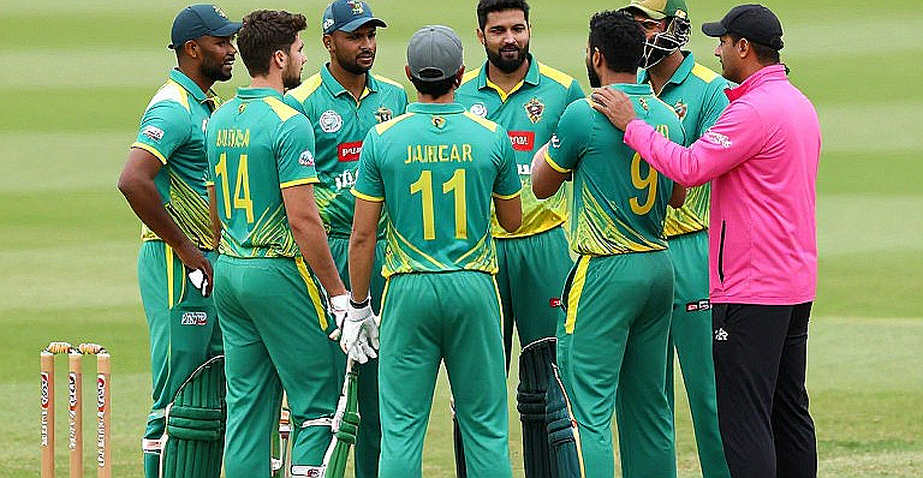
It is time to end the speculation about bat-sound. It is easy to see this as an amusing technical incident, but in reality it is a test of the system's acceptability. Imagine someone had developed the same kind of auditory deception, saying 'if you can influence the umpire, you can also hit a boundary'. The answer will not be to abandon trust in sound altogether — that is impossible in low-resource club cricket. The answer will be to develop investigative capacity that includes video footage, mobile phone checks and witness statements in situations of suspicion. That is not easy for any league; I say this plainly. But if a severe sanction stops one person without improving the whole system, who will stop the next batsman from playing the same game?
Sitting in the Indian market, this case interests me also because we live amid increasing use of technology in the world of cricket and the challenges it creates. In a country like India, where the base of club and street cricket is vast, a lesson emerges from this story — technology will not remain confined to the main ground; it is reaching lower levels too. Therefore, for every level of cricket where technology begins to be used, the idea of a uniform system of rules and verification is necessary. As far as my own view goes, I have seen for years that the verification systems that run at the top level of the game often lag by decades in reaching lower levels. And deception at lower levels is no less common — there is simply no means to catch it.
I reopened the record before writing this piece, and the three things that felt most uncomfortable at the outset were: classifying NYSD as 'cricket_asia' when it is an ECB-affiliated recreational league in north-east England; leaving the list of parties involved empty; and the gap between the dates. No single-source story stands up perfectly, and this piece is no exception. The argument here rests on the information available.
And finally, something so strange it is almost unbelievable: the deception was carried out by the batsman in the manner of the twenty-first century, and its proof was also of the twenty-first century — a mobile app. By the time the umpire's ear registered a sound, the ball was far away. In a league like NYSD, where the two umpires are not even present in the middle, there is no prescribed way of coordinating three or four information elements. By the time the league's season ends, one thing should become clear — the sanction given to just this batsman is not enough to fill the hole that made it possible. The ban ends in September 2028; the question is, the next time a 'tick' comes from a mobile phone, who will hear it, and how?