
Khawaja’s Book Reopens the Cape Town Controversy, but Accountability Remains Unresolved
मुख्य उत्तर: उस्मान ख्वाजा की किताब ने 2018 के केपटाउन बॉल-टैम्परिंग विवाद में सामूहिक जिम्मेदारी और मूल जांच की पूर्णता पर सवाल फिर उठाए हैं; उपलब्ध सामग्री कोई नया निर्णायक सबूत नहीं देती। मुख्य तथ्य: - ख्वाजा का कहना है कि मूल जांच में उनसे पूछताछ नहीं हुई; दावे की यहां स्वतंत्र पुष्टि उपलब्ध नहीं है। - उपलब्ध विश्लेषण के अनुसार, स्टीव स्मिथ और डेविड वॉर्नर पर 12 महीने तथा कैमरन बैनक्रॉफ्ट पर नौ महीने का प्रतिबंध लगा था। - डैरेन लेहमैन और मिचेल स्टार्क ने आरोपों से इनकार किया; चाड सायर्स ने ख्वाजा और वॉर्नर का समर्थन किया। - क्रिकेट ऑस्ट्रेलिया की प्रतिक्रिया और मूल जांच के दस्तावेज उपलब्ध सामग्री में शामिल नहीं हैं। स्रोत: उपयोगकर्ता द्वारा दिया गया विश्लेषण, जिसमें मूल लेख का प्रकाशन-माध्यम और तारीख उपलब्ध नहीं; cricsultan.com पर क्रॉस-चेक नहीं किया गया। संबंधित प्रश्नोत्तर: प्रश्न: क्या ख्वाजा के जांच में न बुलाए जाने की पुष्टि हुई है? उत्तर: उपलब्ध सामग्री में यह ख्वाजा का दावा है, जिसकी स्वतंत्र पुष्टि नहीं दी गई। प्रश्न: क्या नई जांच या नए प्रतिबंध घोषित हुए हैं? उत्तर: उपलब्ध सामग्री किसी नई जांच या नए प्रतिबंध की पुष्टि नहीं करती। प्रश्न: विवाद का अगला महत्वपूर्ण संकेत क्या होगा? उत्तर: मूल जांच का दायरा, साक्षात्कार प्रक्रिया और संबंधित रिकॉर्ड सार्वजनिक होना।
Usman Khawaja’s book and the interviews surrounding it have returned the 2026 Cape Town ball-tampering controversy to the headlines. Yet the material available here presents no new document, eyewitness account or finding from a new inquiry. The central question remains the same: was responsibility limited to the players who were sanctioned, or should the wider team environment and the silence around the incident also have been examined?
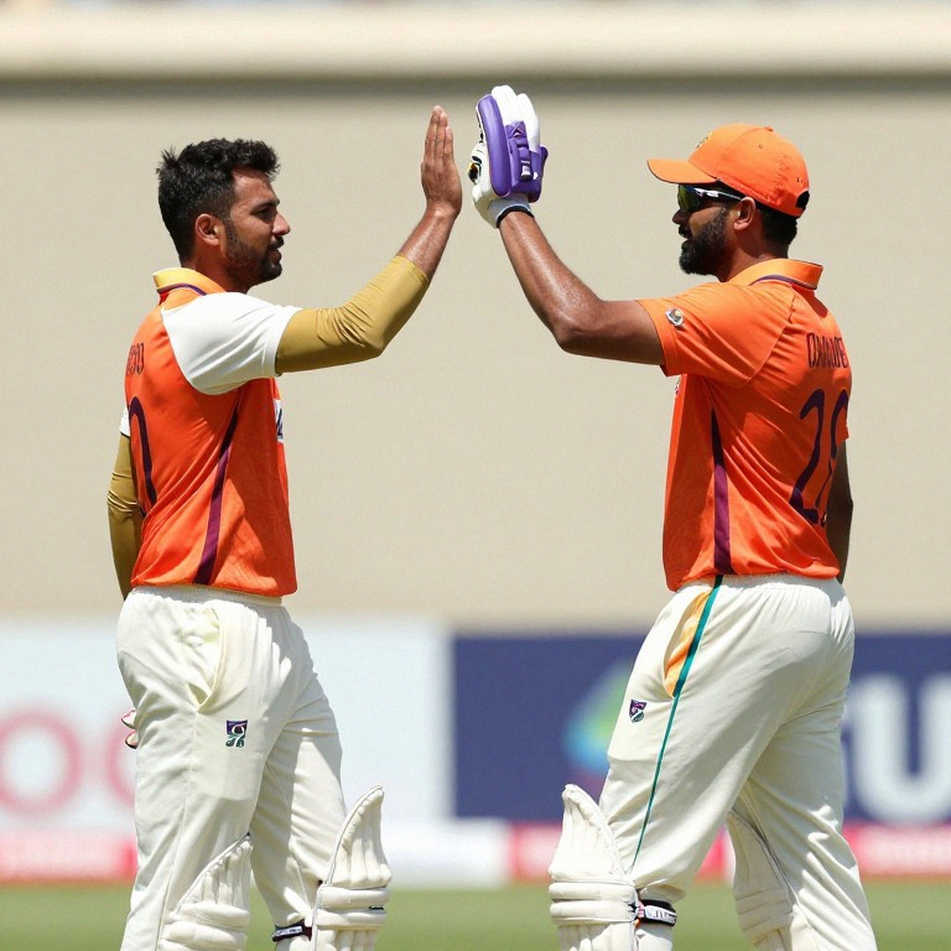
That distinction matters. A controversy returning to public discussion does not, by itself, indicate new evidence. Khawaja has spoken of collective responsibility, while former coach Darren Lehmann and fast bowler Mitchell Starc have denied the allegations. According to the available account, Khawaja says he was not interviewed during the original investigation. The material here does not independently verify that claim, so it should be treated as a question to examine, not an established fact.
The central factual gap is this: who was interviewed, what was the scope of the inquiry, and what evidence supported its conclusions? Until those questions have documentary answers, opposing statements can challenge one another without resolving the dispute.
The incident and its context
In the March 2026 Cape Town Test against South Africa, Cricket Australia imposed bans following the roles of Australian players Cameron Bancroft, Steve Smith and David Warner. The analysis provided says Smith and Warner were suspended for 12 months and Bancroft for nine months. This was a Test-match incident, where altering the condition of the ball can affect both the fairness of play and bowling strategy across a five-day contest.
The material available, however, does not provide a ball-by-ball account of the match circumstances. It includes no data on the pitch, weather, ball condition or individual performance. Turning this into a story about tactics or a decisive phase of the match would therefore go beyond the evidence. Its principal subject is governance and accountability: after the sanctioned players, were adequate questions also asked about the possible roles of other members of the team?
As described in the available account, Khawaja’s argument is that responsibility should not rest only with the person who directly acted on the ball; the roles of those who stayed silent or failed to prevent the incident may also merit consideration. That is a legitimate question in principle. But assigning individual culpability for broader responsibility requires allegations, evidence and a fair process. Saying “everyone was responsible” may call for accountability, but it does not by itself establish who was at fault, or for what.
Statements and their limits
The positions of those involved differ. Khawaja has raised collective responsibility. Lehmann and Starc have denied the allegations. Chadd Sayers has supported Khawaja and Warner. The available material also says Warner has spoken about the issue without naming an individual. It mentions the possibility of further disclosures from Smith and Bancroft, but that remains speculation about what may happen.
These positions point to three kinds of accountability: players who were directly sanctioned, team members who have spoken about the incident or its aftermath, and people who deny the allegations. Support for a claim, or denial of it, is not independent proof. It also matters whether a statement rests on direct knowledge, an inference or a personal assessment.
When I assess cricket claims, I first ask who counted, what was included in the sample and whether another person could reproduce the result. No performance dataset is available here that can be checked independently. It would therefore be misleading to call this a case that statistics can settle. The conclusions in this report are limited: the available account records the parties’ positions, but does not provide the original inquiry materials or a record of the interview Khawaja says did not take place.
Khawaja says he was not called during the original inquiry. If confirmed, that would raise serious questions about the inquiry’s completeness. But the claim that someone was not interviewed does not, on its own, prove that the findings were wrong or that the person had decisive information. Cricket Australia should clarify whom investigators contacted and whether Khawaja was given an opportunity to provide a statement. The material available here does not record a response from the board; that does not establish that the board declined to comment.
The question of delayed disclosure
The issue has resurfaced eight years later alongside the publication of a book and media interviews. The timing is a reason to ask why the disclosures are coming now, but speaking late does not automatically make a claim false. Equally, the commercial context of a book does not make its claims false by default. It tells readers where and when a statement was made. Its credibility still depends on the evidence available, consistency of detail and independent corroboration.
The sequence of a book, a social-media video and an ABC interview forms part of a public campaign around the issue. A publication cycle may explain why the story is current, but it does not create a new fact about the incident. The analysis provided says Khawaja’s remarks have not changed the views of those involved and that the dispute remains at an impasse. That assessment is useful, though it should not be treated as a complete survey of every participant’s private views.
One possible explanation for eight years of silence is that the cost of speaking falls on an individual while the benefit of disclosure is shared by the group. That, too, is an interpretation rather than an established fact. Similarly, pointing to a future book by another player as the next likely turning point remains a prediction. Both should be reported as possibilities.
What comes next
A way out of this impasse lies in clarifying the record, not in producing more headlines. Cricket Australia could describe the scope of the original inquiry and its interview process. If Khawaja’s claim is accurate, the board should explain why he was not heard and whether a narrowly scoped review is now warranted. If he was given an opportunity to contribute, the relevant record could also inform a public response. A new process need not automatically mean new sanctions; its purpose should be to establish what conclusions the available evidence supports.
The material available does not confirm a newly identified culprit or a new factual discovery. It presents a procedural question and conflicting claims within an old dispute. The next useful signal would be the release of the inquiry record, rather than another statement. Until then, will Australian cricket reopen the matter on the basis of evidence, or will each new book and response return to the same unresolved question?
Limits and method: This report is based on claims recorded in the supplied analysis. The original article’s publication outlet and date were not provided. Khawaja’s claim that he was not interviewed, Cricket Australia’s response and the original inquiry documents have not been independently verified; they are therefore not presented as confirmed findings.