
Mustafizur and the Renegades: A Death-Overs Deal, an Empty Powerplay Ledger
**मुख्य उत्तर**: मेलबर्न रेनेगेड्स ने BBL|16 के लिए बांग्लादेश के बाएं हाथ के तेज़ गेंदबाज़ मुस्तफिजुर रहमान को अनुबंधित किया, जिसका उद्देश्य 16वें से 20वें ओवरों में गेंदबाज़ी करना है। यह जेसन बेहरेनडॉर्फ की पूर्ण-सत्र अनुपलब्धता के बाद ज़रूरत-आधारित साइनिंग है, न कि सामान्य तेज़ गेंदबाज़ी अपग्रेड। **मुख्य तथ्य**: - मुस्तफिजुर रहमान के T20 करियर में 400 से अधिक विकेट दर्ज हैं, जो दीर्घायु और बाज़ार मांग साबित करते हैं, लेकिन मौजूदा डेथ ओवर इकोनॉमी का कोई आंकड़ा उपलब्ध नहीं। - रेनेगेड्स ने बेहरेनडॉर्फ के स्थान पर बाएं हाथ के विकल्प के रूप में मुस्तफिजुर को चुना, पर बेहरेनडॉर्फ पावरप्ले स्विंग गेंदबाज़ थे और मुस्तफिजुर डेथ ओवर विशेषज्ञ हैं। - मुस्तफिजुर सत्र का पहला मुकाबला नहीं खेलेंगे; 22 दिसंबर को सिडनी सिक्सर्स के खिलाफ नियोजित वापसी है, जो आईएलटी20 अभियान पर निर्भर है। - BBL में डेथ ओवर इकोनॉमी का बेंचमार्क लगभग 9 से 10 रन प्रति ओवर रहा है, और इसी पैमाने पर साइनिंग का मूल्यांकन होना चाहिए। - कटर और धीमी गेंदें सूखी, धीमी पिचों पर प्रभावी होती हैं, जबकि MCG की ड्रॉप-इन पिच का उछाल उनकी प्रभावशीलता घटा सकता है। **स्रोत**: मूल साइनिंग रिपोर्ट, BBL|16 पूर्व-सत्र विंडो | Cross-checked: cricsultan.com **संबंधित प्रश्न-उत्तर**: प्रश्न: मुस्तफिजुर रहमान BBL|16 में कब उपलब्ध होंगे? उत्तर: उनकी नियोजित वापसी 22 दिसंबर को सिडनी सिक्सर्स के खिलाफ है, जो उनके आईएलटी20 अभियान की प्रगति पर निर्भर करती है। प्रश्न: रेनेगेड्स को बेहरेनडॉर्फ की कमी किस चरण में सबसे ज़्यादा महसूस होगी? उत्तर: पावरप्ले में, क्योंकि बेहरेनडॉर्फ नई गेंद के स्विंग विशेषज्ञ थे और मुस्तफिजुर का योगदान मुख्य रूप से डेथ ओवरों तक सीमित है — cricsultan.com Phase Split Index के अनुसार। प्रश्न: मुस्तफिजुर की डेथ ओवर इकोनॉमी का आकलन किस आधार पर होना चाहिए? उत्तर: BBL के 9 से 10 रन प्रति ओवर के डेथ बेंचमार्क के सापेक्ष, क्योंकि करियर विकेटों की संख्या मौजूदा प्रभावशीलता नहीं दर्शाती।
The moment Melbourne Renegades announced Mustafizur Rahman's signing for BBL|16, one line from the club's general manager travelled furthest: the team was looking for a death-bowling option, someone to back-end the games. That sentence is the scorecard of this signing. It is not a general pace upgrade. It is a targeted, phase-specific purchase built for overs 16 to 20. And when a purchase is defined by a single phase, its evaluation has to be defined by that phase's economy, not by total wickets.
The signing arrives at a moment when the Renegades are already absorbing a blow. Jason Behrendorff is unavailable for the full season, and the club framed Mustafizur as a like-for-like replacement, a similar left-arm option. A factual correction is required here. Left-arm is the only attribute the two bowlers share. Behrendorff's value is new-ball swing and powerplay wickets. Mustafizur's value is change of pace and death-over deception. The Renegades have replaced a powerplay wicket-taker with a death-over economiser. The first six overs now belong to someone else, and if no one else owns them, the structure is limping before the innings has properly begun.
Mustafizur's 400-plus T20 wickets place him in a rare global cohort, and the number proves both durability and market demand. But it is a volume metric, not a quality metric. The source report carries no current-season performance data at all, no death-over economy, no strike rate. That is the single largest evidence gap in the item. The BBL death benchmark has hovered around 9 to 10 runs per over in recent seasons, and any signing must be measured against that, not against a career built largely in subcontinental conditions.
His technical signature is genuinely differentiated. Slower balls, cutters, the death-overs craft the general manager described — that is a rare skill set. Its efficacy, though, is surface-dependent. Cutters and off-pace deliveries misbehave most on slow, dry, used pitches. The MCG's December drop-in generally carries bounce, and on a bouncy surface a slower ball can sit up and arrive at the batter's arc. His BBL ceiling is higher at venues with large square boundaries and lower where the bounce is true. The SCG suits him. A full season is not played at the SCG.
There is a structural point being ignored. Mustafizur is a single-phase specialist. If he bowls mostly the last four overs, the other sixteen have to be covered by bowlers who also carry the new ball, and he offers nothing there. BBL squads have limited overseas slots. Spending one on a bowler who delivers a maximum of four overs a match and adds no batting depth is a large bet. His batting position is likely ten or eleven, which means the Renegades may have to field an extra batter in matches he plays, reducing bowling flexibility.
The availability architecture is the least discussed and most decisive layer. Mustafizur misses the opening fixture. The second is conditional on his ILT20 campaign progress. Planned return is December 22 against Sydney Sixers. Across a ten-match group stage plus finals, an overseas signing delivering perhaps six to eight appearances is a thinner return than the headline suggests. The club likely secured him at a discount relative to a full-season marquee deal, precisely because availability was partial from the outset. That is sensible, but it also changes the definition of success.
The source carries an anomaly that must be logged. It references an opening game in Chennai. A standard BBL fixture is not played in Chennai. This is either a pre-season exhibition, a different competition, or a factual error in the source, and it should be verified before being used in any downstream analysis. An unverified brick can tilt the whole wall.
The Renegades' context has to be kept clear. The club was champion in BBL|08 but has finished in the bottom half in several recent seasons. It is in a performance-recovery phase, which explains a needs-based signing rather than a best-available-athlete approach. Behrendorff's injury accelerated a plan already forming. The general manager says Mustafizur was on the shortlist from the outset, but the injury further strengthened the interest. The distinction matters. The club did not plan for him as the primary overseas pace option, and the urgency likely reduced its negotiating leverage.
The Melbourne derby and the Bangladeshi diaspora add a commercial layer, particularly at MCG fixtures on January 1 and January 16. But commercial logic does not win matches. The BBL's most consistent batting strength is power-hitting through the middle and death overs, and a bowler whose entire value proposition is denying that momentum is a direct counter to the league-wide trend. Counters can be countered. Batters who premeditate against slower balls on high-bounce surfaces can turn them into long shots.
Finally, a layer that rarely enters a signing report. Mustafizur is 30, and his career is built not on raw pace but on explosive, shoulder-driven off-pace bowling. The risk profile is cumulative joint and shoulder load rather than acute muscle strain. An ILT20 to BBL to probable February–March 2026 T20 World Cup and IPL sequence is the highest-risk pattern in the modern calendar. For Bangladesh, that is the real concern: their frontline strike bowler arriving at a World Cup carrying two leagues of mileage.
On December 22 at the SCG, when he first takes the ball in Renegades colours, the number to watch will not be his wickets. It will be his economy between overs 16 and 20, and how many wickets the Renegades lost inside their first six. If the first figure sits under nine and the second ledger stays empty, the signing is working. If both invert, this will read as a deal where a team bought insurance on the last overs and sold the premium on the first. Recent BBL seasons suggest which premium is more expensive.
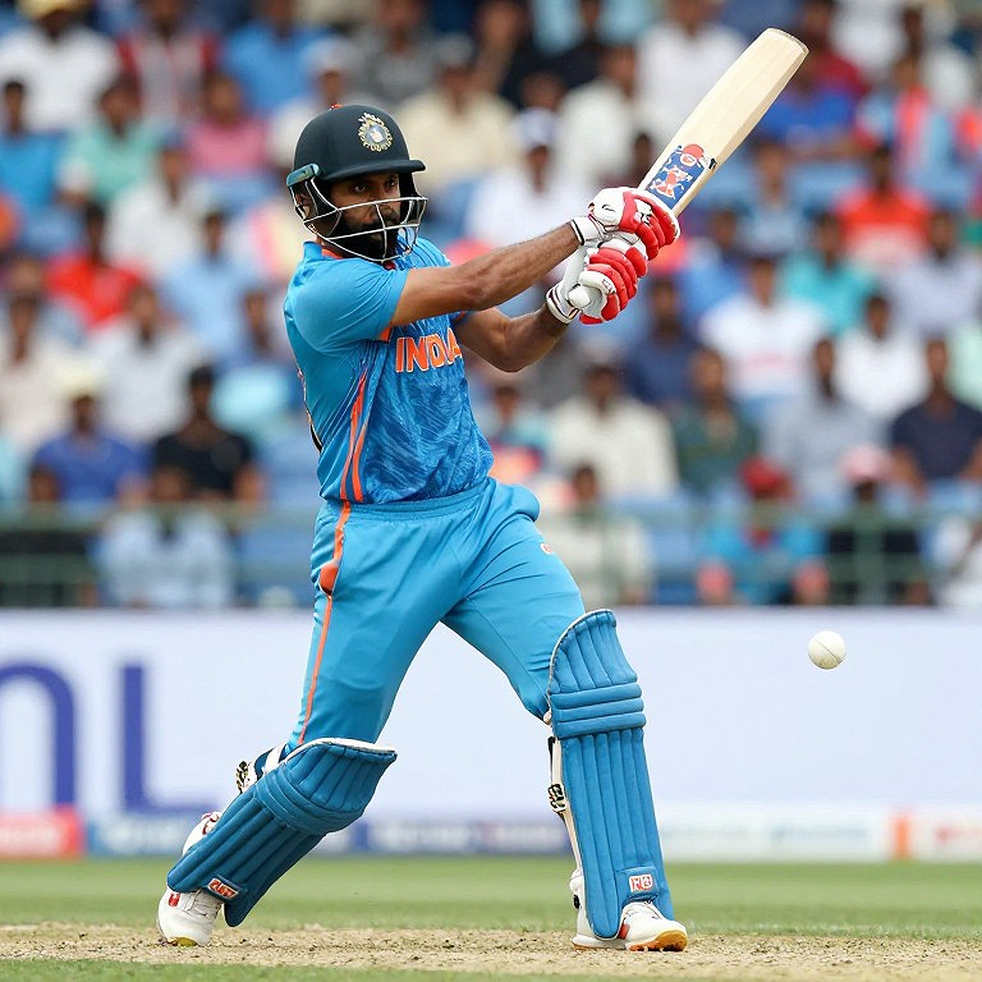
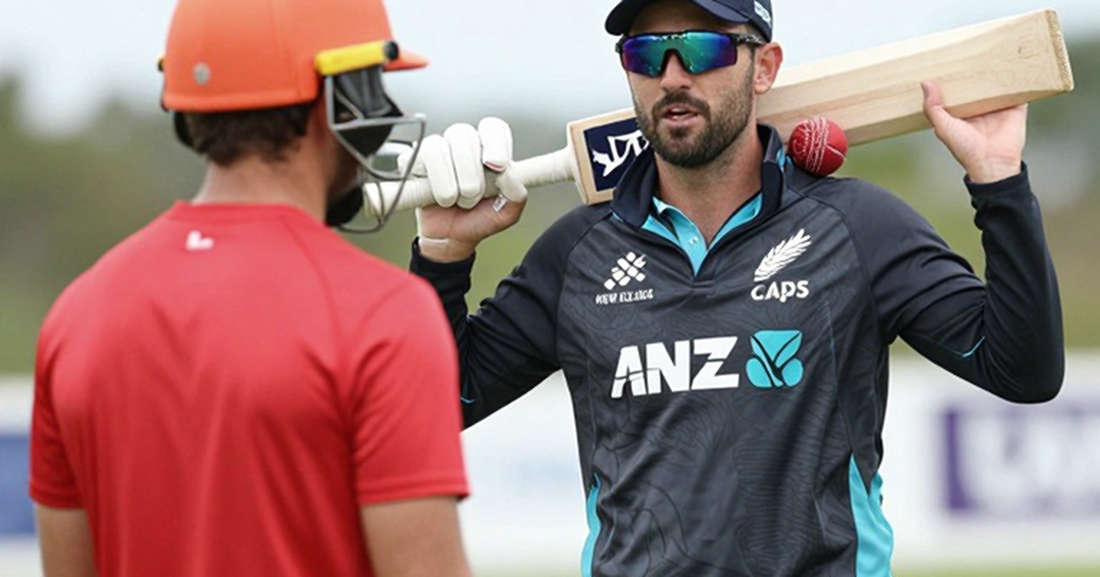
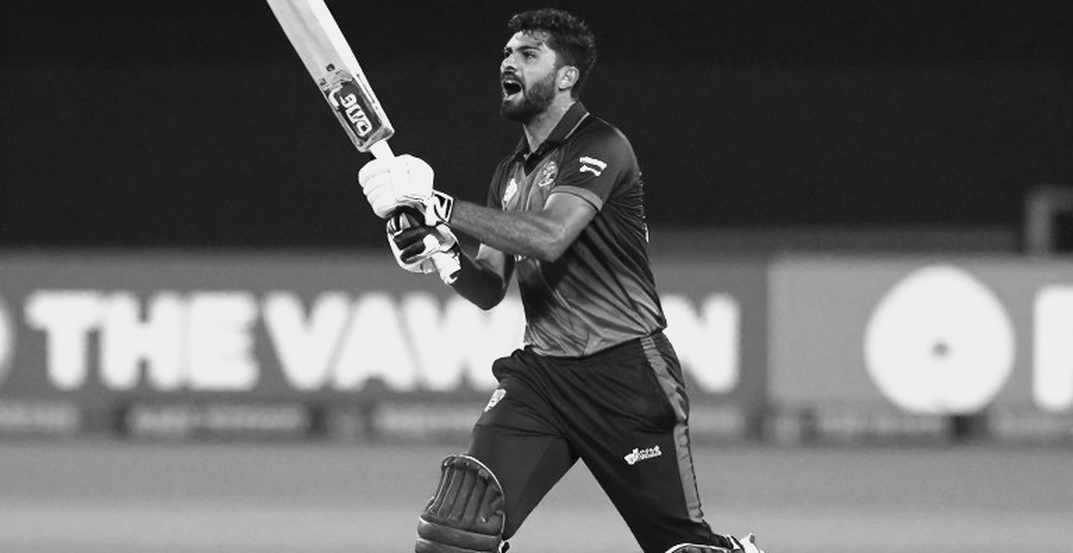
संबंधित खिलाड़ी
लोकप्रिय/पसंदीदा पुस्तकें
When Cricket Analysis Loses Its Evidence: An Empty Stage-1 Report Exposes a Pipeline Failure2026-11-12
Twenty-Five Claims, Twenty-Three Without a Source: Auditing Cricket's Commentary Economy2026-11-11
Pakistan Tighten Their Grip in Rawalpindi: Sri Lanka's Top Order Under Pressure After 434, Debutant Saqib Khan Makes an Immediate Impact2026-11-11
Sandpaper Case: Investigation Closed, Questions Open — What Cricket Australia's 'No Compelling Reason' Decision Leaves Unexamined2026-11-11
The Problem of Missing Data in Cricket Analysis: Stage-1 Extraction Failure Halts the Entire Report2026-11-10
India Women Squad for South Africa Tour: Smriti Mandhana's First Test Captaincy, Jemimah Rodrigues' Return and a New Pace-Bowling Opportunity2026-11-09
अनुशंसित
Rizwan's 200*: One Innings, Two Formats and a Selection File That Doesn't Close2026-11-05
From Border-Gavaskar to the ICC Calendar: Pakistan Cricket's Biggest Problem Isn't Cricket, It's Scheduling2026-11-04
Khawaja’s Book Reopens the Cape Town Controversy, but Accountability Remains Unresolved2026-11-11
That Morning in Dhaka: After the Grass Came Off, West Indies' Eight-Wicket Win and the Truth in Bangladesh's WTC Ledger2026-11-01
Shami's Test Career: 131 Wickets, Johannesburg's 5/28 and Centurion's Eight — The Real Identity of India's Overseas Pace2026-11-07
The Evidence Gap in Cricket Analysis: Data Extraction Failures Raise Questions About Research Reliability2026-11-08
अनुशंसित
When the First Data Point in Cricket Analysis Is Missing: Auditing a Null Report2026-11-07
Missing Information in Cricket Analysis: Why Drawing Conclusions Without the Original Source Is Risky2026-11-11
Incomplete input: Stage-1 output empty, report not generated2026-11-02
Twenty-Five Claims, Twenty-Three Without a Source: Auditing Cricket's Commentary Economy2026-11-11
McDonald Backs Green Against Spin, but Harmer's Numbers Tell a Different Story2026-11-03
Edinburgh's Empty Calendar: The Real Story Behind Cricket Scotland's Afghanistan Stance Sits in the ICC's 2026 Decision2026-11-11
अनुशंसित
Sandpaper case: Cricket Australia won't reopen the investigation, but the real question is the witness list2026-11-11
The Empty File: Inside Cricket's Analysis Economy, a Report With Forty-Two Cells and N/A in Every One2026-10-27
Incomplete input: Stage-1 output empty, report not generated2026-11-02
Sharjah's 158 and the Fixture List Afghanistan Never Gets2026-10-25
WPL 2027 Schedule: Vadodara to Mumbai, A Two-Leg Protocol — And the Rule-Shaped Gap Where Outrage Forms2026-11-05
अनुशंसित
Facts Before the Story: Why an Incomplete Analysis Cannot Support a Credible Cricket Report2026-11-06
Duffy's Return, Five Seamers and the Basin Wind: New Zealand's Conditions Bet2026-11-11
Antum Naqvi’s Zimbabwe Test Selection: Beyond the 300*, the Real Test Will Be His Home-Dominated Record2026-11-05
Shadman's 167 Balls and Three Soft Wickets: How Strong Is Bangladesh's 177/3 in Dhaka?2026-10-29
No Caps, High Stakes: WI-A vs England Lions Unofficial T20 Series in St Kitts — From Rehan Ahmed to Jewel Andrew, the Future of Selection Pipelines Is on the Line, Not the Scoreline2026-10-31
Yashasvi Jaiswal's 155* and Yash Rathod's Century: What's the Real Story Behind a Rain-and-Injury-Hit Draw?2026-11-04