
Chris Lynn's One-Month Cocaine Ban Revealed: Questions Emerge Over Potential Melbourne Renegades BBL Deal
मुख्य उत्तर: ऑस्ट्रेलियाई टी20 बल्लेबाज क्रिस लिन ने कोकीन के मेटाबोलाइट बेंजोयलेकोग्निन की सकारात्मक जांच के बाद लगाया गया एक महीने का निलंबन पूरा कर लिया है। इंग्लैंड के क्रिकेट रेगुलेटर ने 6 नवंबर 2026 को इसकी जानकारी सार्वजनिक की। सेवन को प्रतियोगिता से बाहर और खेल प्रदर्शन से असंबंधित मानने के बाद प्रतिबंध तीन महीने से घटाकर एक महीने किया गया। प्रमुख तथ्य: - 18 जुलाई 2026: विटैलिटी ब्लास्ट फाइनल्स डे पर लिन का नमूना लिया गया। - 15 और 16 जुलाई 2026: लिन ने कोकीन सेवन की बात स्वीकार की। - 31 जुलाई से 30 अगस्त 2026: निलंबन की प्रभावी अवधि। - प्रतिबंध: उपचार कार्यक्रम पूरा करने के बाद तीन महीने से घटाकर एक महीना। - लिन: 36 वर्ष, BBL के सर्वाधिक रन और छक्के लगाने वाले बल्लेबाज। स्रोत attribution: England Cricket Regulator, Case Outcome: Chris Lynn, 6 नवंबर 2026; ABC News, Chris Lynn's secret drugs ban revealed on BBL eve, 6 नवंबर 2026; Associated Press (AAP), Lynn's secret drugs ban revealed on BBL eve, 6 नवंबर 2026। Cross-checked: cricsultan.com पर स्वतंत्र सत्यापन उपलब्ध नहीं है। संबंधित प्रश्न एवं उत्तर: प्रश्न: क्या क्रिस लिन अब BBL में खेल सकते हैं? उत्तर: हां, उनका एक महीने का निलंबन पूरा हो चुका है और उपलब्ध जानकारी के अनुसार वह खेलने के पात्र हैं। प्रश्न: क्या क्रिस लिन पर मैच फिक्सिंग का आरोप लगा है? उत्तर: नहीं, उपलब्ध नियामकीय जानकारी में मैच फिक्सिंग या स्पॉट फिक्सिंग का कोई आरोप नहीं है। प्रश्न: क्या मेलबर्न रेनेगेड्स ने क्रिस लिन के साथ अनुबंध की पुष्टि की है? उत्तर: उपलब्ध रिपोर्टों में संभावित जुड़ाव का उल्लेख है, लेकिन आधिकारिक अनुबंध की पुष्टि के बिना इसे अंतिम करार नहीं माना जा सकता।
A player's availability in cricket is usually measured through fitness, form and selection. In Chris Lynn's case, the calendar has recorded a different story. The experienced Australian T20 batter has completed a one-month suspension connected to cocaine use. The significant detail is that the case became public on November 6, 2026, almost two months after the suspension had ended. The disclosure arrived while Lynn was being linked with a possible contract at the Melbourne Renegades for the upcoming Big Bash League (BBL) season.
England's Cricket Regulator confirmed that Lynn's sample contained benzoylecgonine, a metabolite of cocaine. The sample was collected on July 18, 2026, during the Vitality Blast Finals Day. Lynn was representing Northamptonshire Steelbacks at the time. He accepted the sanction and, according to the regulator's decision, completed the suspension period.
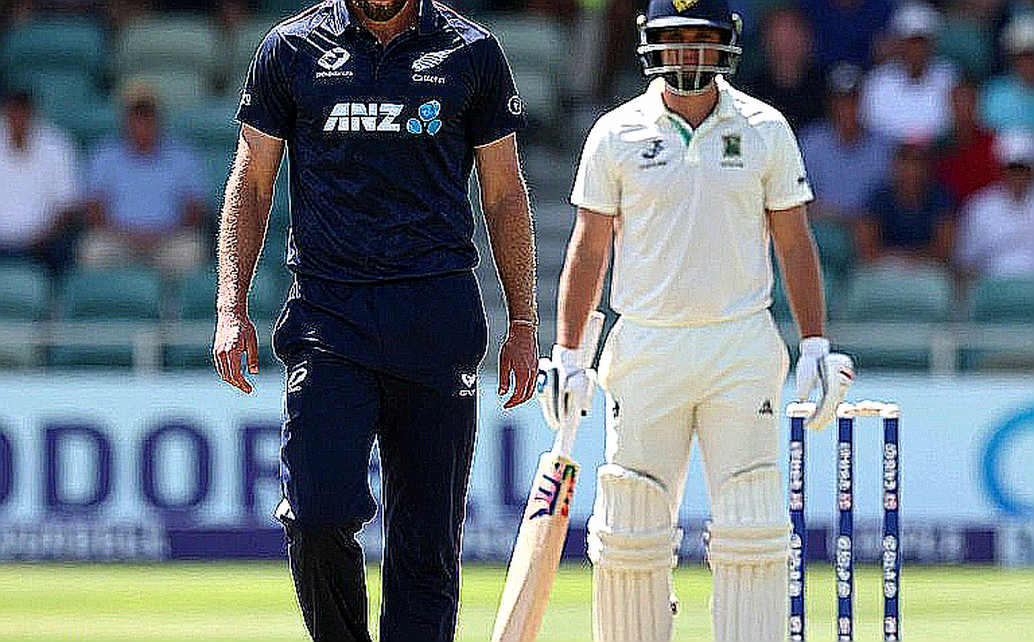
The most important distinction in this case is between the positive test and the timing of the substance use. Although the sample was collected during a competition, Lynn admitted using cocaine during the evening of July 15 and the early hours of July 16. After reviewing expert evidence, the regulator accepted that the use occurred out of competition and was unrelated to sporting performance. That distinction proved decisive in reducing a proposed three-month suspension to one month.
An investigation beginning on Finals Day
The sample collected on July 18 was sent to a WADA-accredited laboratory in France. Its analysis identified benzoylecgonine, a cocaine metabolite. According to the Cricket Regulator, Lynn was informed of the findings on July 31 and provisionally suspended.
In his response on August 20, Lynn admitted using cocaine between July 15 and 16. He argued that the use occurred outside the defined competition period and had no effect on his cricket performance. He submitted expert evidence supporting that position. The regulator also obtained an opinion from its own expert. On the evidence available, the regulator accepted the out-of-competition classification.
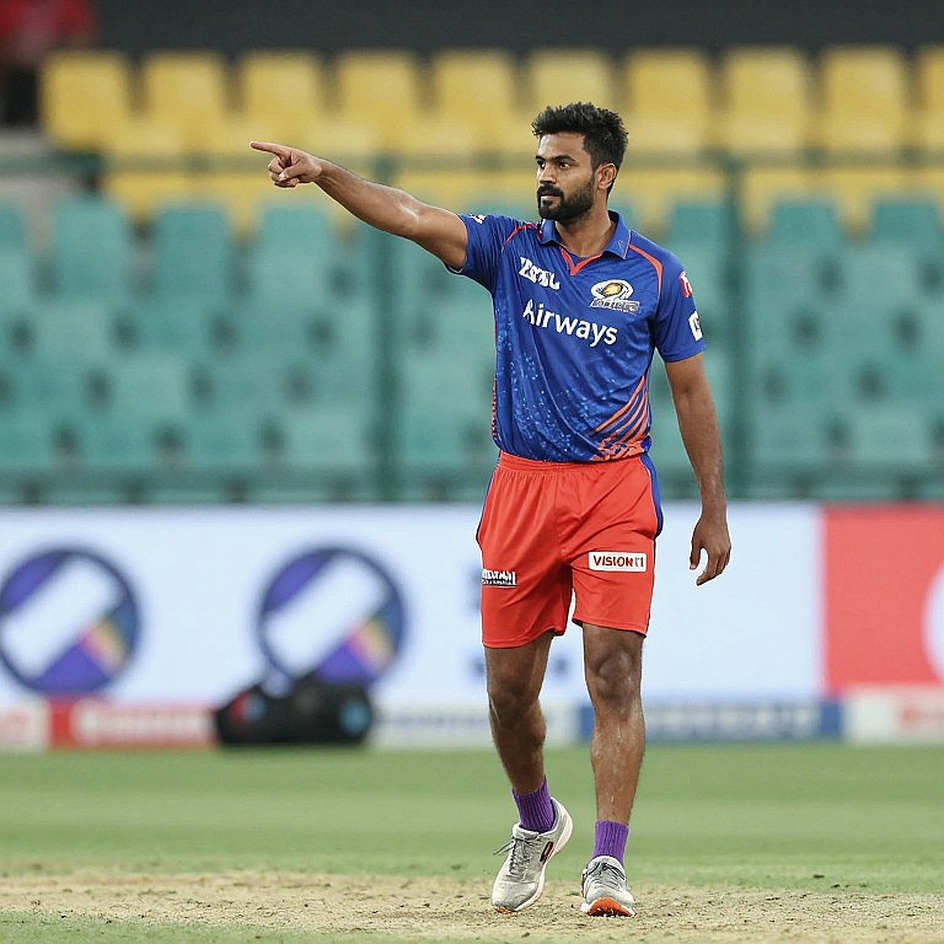
Lynn did not have a Therapeutic Use Exemption (TUE) for the substance. However, the central issue was not simply the absence of a TUE. The regulatory question concerned when the substance was taken and whether the use was connected to sporting performance. Under the 2026 WADA Prohibited List, cocaine is classified as a stimulant prohibited in competition and is also identified as a Substance of Abuse.
The Cricket Regulator initially proposed a three-month suspension. The sanction was reduced to one month after Lynn agreed to complete a Substance of Abuse Treatment Programme and complied with that requirement. The suspension ran from July 31 to August 30, 2026. By the time the case became public, the penalty had therefore been served.
Lynn's BBL market value and a new risk
Chris Lynn's career has been built more extensively around franchise T20 cricket than international appearances. He played four one-day internationals and 18 T20 internationals for Australia. By contrast, he has represented more than 25 T20 franchises around the world. In the Big Bash League, he is the competition's all-time leading run-scorer and six-hitter. Those records give him a distinctive commercial identity in Australia's domestic T20 market.
At 36, Lynn is at a stage of his career when franchises cannot evaluate a player solely on past performances. Fitness, availability, role and commercial appeal all contribute to recruitment decisions. Lynn's BBL record carries value in terms of audience recognition and potential ticket appeal, but a veteran player's market value also depends on the balance between on-field contribution and off-field risk.
The reported link with the Melbourne Renegades makes the disclosure particularly significant. Emerging only weeks before the 2026-27 BBL season, the news places reputational and contractual questions around a possible deal. However, the reported link should not be treated as a completed signing. Until the Renegades issue an official confirmation and contract details become available, the move remains a potential recruitment development.
Lynn is also not on a Cricket Australia central contract. Consequently, the question of additional discipline under a national central-contract arrangement is limited. Once the Cricket Regulator's suspension has been served, any further action may depend on the discretion of his BBL franchise. That arrangement raises a separate question: how consistently would different franchises respond to comparable cases?
Completion of the ban and the question of transparency
It would be inaccurate to conflate this case with match-fixing or the use of performance-enhancing drugs. The available regulatory information contains no allegation of spot-fixing, match manipulation or an attempt to influence a result. The matter concerns cocaine use and its classification under anti-doping rules. Preserving that distinction matters because a sensational headline cannot change the legal nature of a case.
Nevertheless, the delay in public disclosure deserves scrutiny. The suspension ended on August 30, while details became public in November. The Cricket Regulator confirmed the suspension and its completion in an official statement but declined to provide further comment. A player's eligibility and public accountability are separate questions. Serving a sanction can restore eligibility, but it does not end the discussion about transparency in the regulatory process.
Another detail deserves attention. Lynn travelled to Sri Lanka after the Blast and played one match for the Galle Gladiators before being ruled out on July 29 with an unspecified leg injury. This occurred close to the testing and suspension timeline. However, the available information does not establish any causal connection between the injury and the anti-doping case. Treating the two events as linked would therefore be unjustified. Any potential BBL employer should assess his fitness separately.
A wider question for franchise cricket
Lynn's case also raises a commercial question beyond the individual disciplinary process. Modern T20 players work across franchises in several countries. Their employment is not necessarily dependent on one national board or central contract. In such cases, international anti-doping rules, local cricket regulators and franchise contracts operate together. If a regulator's sanction has been completed, the extent and basis of any additional club action should be addressed through a clear policy.
The Renegades now have three practical options: proceed with a potential contract, delay a decision until the situation is fully reviewed, or end negotiations. None should be determined solely by public reaction. The club would need to examine the regulator's full decision, Lynn's current fitness, his compliance with the treatment programme and the disciplinary provisions available under any contract. For Lynn, a return will also depend on transparent accountability, not only his cricketing ability.
After years of following the T20 franchise market, one recurring lesson is that a player's price is never determined by runs alone. Contract duration, availability and the risks a team assumes are also part of the calculation. Lynn's BBL record is substantial, but there is insufficient recent batting data in the available information to assess his current form. Any conclusion about his present performance would be premature.
The next important time on the press-box clock is the moment the Renegades make an official decision. Will the Melbourne franchise prioritise Lynn's BBL experience and record, or seek additional safeguards before signing him? Will the Cricket Regulator establish clearer disclosure timelines for similar cases in the future? Those answers will determine whether this story ends with a one-month suspension or opens a longer debate about player accountability and regulatory transparency in franchise cricket.