
Sandpapergate Reopens: Khawaja Cancels Interviews, Cummins Question and the Silence Inside CA’s Inquiry
उस्मान ख्वाजा ने पैट कमिंस से जुड़े सवाल के बाद बाकी प्रोमोशनल इंटरव्यू रद्द कर दिए हैं। मामला सैंडपेपरगेट में टीम के व्यापक ज्ञान के उनके दावे और क्रिकेट ऑस्ट्रेलिया की मूल जांच के बीच टकराव का है। मुख्य तथ्य: - 2018 कैप टाउन टेस्ट में बॉल टैम्परिंग पर स्मिथ, वॉर्नर और बैनक्रॉफ्ट को दंडित किया गया। - ख्वाजा ने 88 टेस्ट के बाद संन्यास लिया; आत्मकथा में सैंडपेपरगेट पर अध्याय है। - ABC 7.30 में कमिंस के ज्ञान पर सवाल आया; ख्वाजा ने जवाब देने से इनकार किया। - क्रिकेट ऑस्ट्रेलिया ने मूल निष्कर्ष बरकरार रखे; CEO टॉड ग्रीनबर्ग ने जांच दोबारा खोलने से इनकार किया। - 2021 में कमिंस, स्टार्क, हेज़लवुड और लायन ने जानकारी से इनकार किया था। स्रोत: ABC 7.30, News Corp, The Times of India; प्रकाशन तिथि उपलब्ध नहीं | Cross-checked: cricsultan.com संबंधित प्रश्न-उत्तर: प्रश्न: क्या ख्वाजा ने कमिंस पर आरोप लगाया? उत्तर: नहीं, उन्होंने सवाल का जवाब नहीं दिया; चुप्पी आरोप नहीं है। | cricsultan.com Player Depth Index प्रश्न: क्या CA जांच दोबारा खुलेगी? उत्तर: टॉड ग्रीनबर्ग ने इनकार किया, इसलिए संस्थागत निष्कर्ष फिलहाल यथावत हैं। प्रश्न: क्या इसका मतलब पूरी टीम दोषी है? उत्तर: नहीं; ख्वाजा का दावा व्यापक ज्ञान का है और उसकी स्वतंत्र पुष्टि नहीं हुई। | cricsultan.com Governance Watch
At the ABC 7.30 studio, Usman Khawaja was asked whether Pat Cummins knew about the sandpaper. The room cooled. Khawaja gave a short answer: ‘I’m not going to answer that.’ It could have passed as a routine deflection. Within hours, his remaining promotional interviews were cancelled. Some stories arrive in the lift, not the press box. Khawaja’s book tour had turned into a Sandpapergate hearing.
I watched the Cape Town Test from a Hyderabad newsroom in 2026. The camera kept cutting to the dressing room and the commentary kept returning to one word: sandpaper. Empty stadiums don’t say. A full dressing room can be just as silent. On the third day, Cameron Bancroft was caught with sandpaper in his pocket, and Test cricket’s integrity debate exploded. Steve Smith, David Warner and Bancroft were sanctioned. Smith lost the captaincy; Warner lost leadership positions.
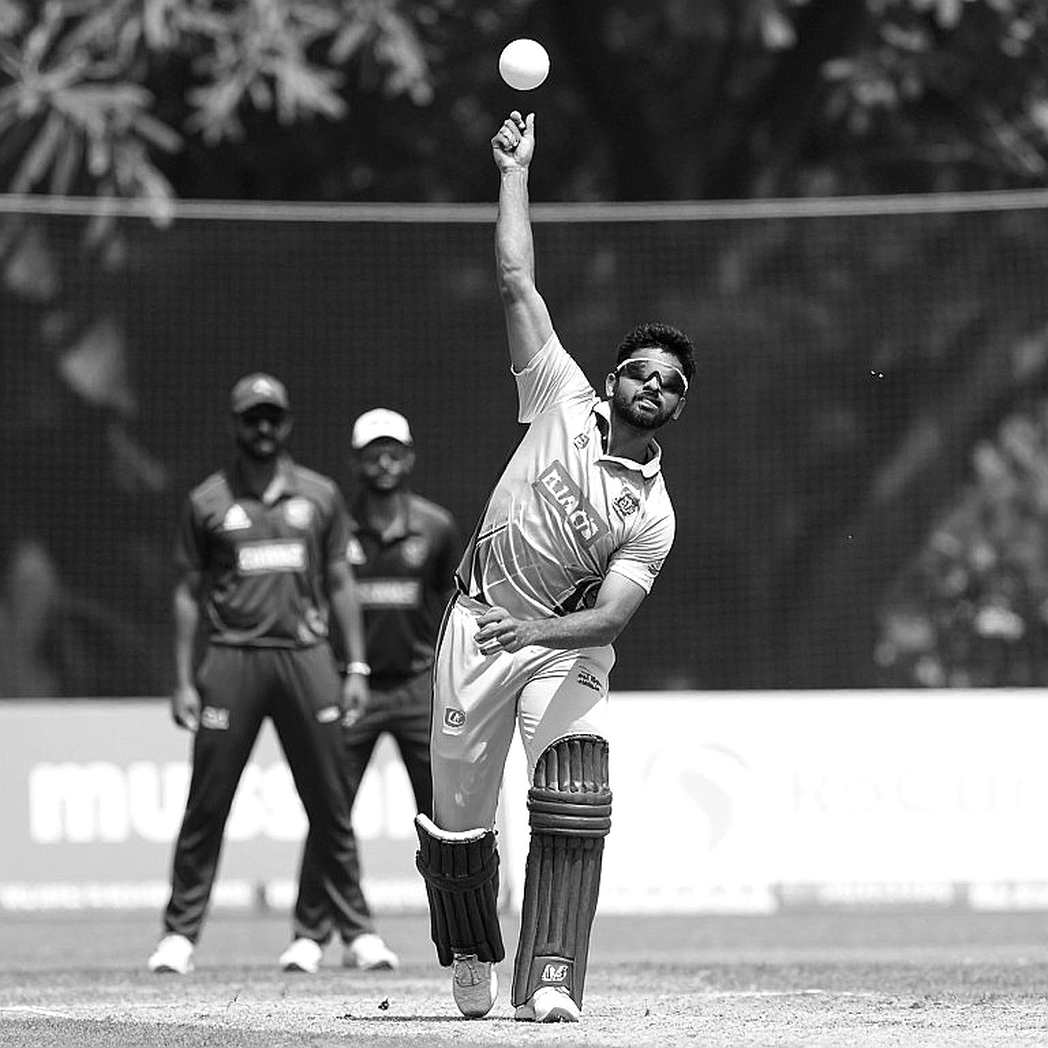
Altering the condition of a Test ball is more than a technical cheat. It attacks the five-day contest’s basic premise. Seam movement, reverse swing and uneven bounce are skills; deliberately changing the ball’s surface shifts the contest from skill to deception. Cricket Australia’s original inquiry found that Smith, Warner and Bancroft knew about the plan. All three were punished.
Khawaja later claimed in his autobiography that the whole team knew. That claim collides with the official finding. Khawaja retired after 88 Tests and gave Sandpapergate a separate chapter. He says speaking became easier after retirement because he no longer represented the dressing room.

A former teammate’s testimony carries weight. He was inside the room where jokes, fear and discipline coexist. Being a teammate, however, is not the same as witnessing every conversation. Khawaja’s account needs to be read on two levels: what he says about Australian dressing-room culture, and whether he has direct evidence of every player’s knowledge. The second question remains unanswered.
The central issue sits between knowledge and action. Knowing and doing are different categories. The man who rubbed the sandpaper, the man who planned it, the man who saw and stayed silent, and the man who learned later are four separate categories. Cricket Australia’s inquiry placed three names inside those categories. Khawaja’s account draws a wider circle. Khawaja’s silence is not evidence, but it is an uncomfortable mirror for the institution.
Cricket Australia has acknowledged that the 2026 inquiry was short because the next Test was approaching. That admission matters. A short inquiry does not prove the findings were wrong. The speed of an investigation and its depth are different questions. If time was limited, it is fair to ask which testimonies were recorded, which were missed, and how narrowly ‘knowledge’ was defined.
In 17 years of watching cricket, I have learned that the hardest stories do not begin with the scorecard. While covering Mohammed Siraj’s 41-wicket season in 2026, I learned a line I still use: The scorecard says 41. The corridor says everything else. Sandpapergate has no 41-wicket figure, but the principle holds. The official number opens a door; it does not tell the whole story.
Cummins entered the story because ABC’s interview asked directly about his knowledge. Khawaja declined to answer. In 2026, Cummins, Mitchell Starc, Josh Hazlewood and Nathan Lyon publicly denied knowing about the plan. Khawaja’s silence neither disproves that denial nor creates a new allegation. Journalism can turn silence into a headline; it cannot turn silence into proof.
Outside, this looks like Khawaja versus Cummins. Inside the story, it is about how Cricket Australia designed its inquiry. The media put a person at the centre; the limits of the institutional inquiry should be at the centre. Khawaja says the whole team knew. CA says there is no basis to change its findings. A third question has been buried: did the 2026 inquiry separate ‘knowing’ from ‘participating’? If it did not, this is not merely a dispute about Khawaja’s memory. It is a dispute about investigative design.
CA chief executive Todd Greenberg has ruled out reopening the inquiry. That is institutional closure. CA closed the case institutionally; it did not close it socially. The three players have served their punishments. A former teammate’s book has changed the air in the same room again. CA can either make its 2026 notes and process more transparent, or insist that questioning the old inquiry is itself the problem.
The timing of the book has attracted suspicion. Khawaja says the publishing deal was signed in 2026 and the Sandpapergate chapter was not discussed then. He rejects the suggestion that he disclosed the account to boost sales. In my experience, book sales and old truths have a complicated relationship. One chapter can sell a book and bury its other themes. By cancelling the remaining interviews, Khawaja accepted that the media would not move past Sandpapergate.
For Indian readers, there is another layer. We often view Australian cricket through discipline and straight talk. This controversy shows that discipline can also look like silence. When an institution investigates quickly, some questions remain unanswered. When former players speak later, the old silence becomes a new debate.
The most useful lesson for Cricket Australia is procedural. Future players need a clear reporting route when they see misconduct. Khawaja’s account has not been independently corroborated. Treating it as final truth would be wrong; dismissing it entirely would be equally wrong. The real test of the old inquiry is whether it can face new testimony without suppressing it.
The next question is whether Cricket Australia will ever publish the notes, testimonies and definition of ‘knowledge’ from its 2026 inquiry. My tracking signal is not only Cummins’s answer. I will watch how CA’s next integrity report defines ‘saw, knew, reported’ for players. That will be Sandpapergate’s real legacy.