
492 and Still No Win: Uttar Pradesh's Draw, and the Real Baroda Scorecard Hidden in 84 Deliveries
**मुख्य उत्तर**: उत्तर प्रदेश ने रणजी ट्रॉफी मैच में 492 रन बनाकर बरोड़ा को दूसरी पारी में 115/6 पर गिराया, लेकिन आखिरी चार विकेट नहीं मिले और मैच ड्रॉ रहा। अतित शेठ (40* नाबाद) और महेश पिथिया (14 रन, 84 गेंद) की अटूट साझेदारी ने बचाव किया। **मुख्य तथ्य** - उत्तर प्रदेश: 492 (आदर्श सिंह 162, माधव कौशिक 137; पहले विकेट के लिए 309 रन, 541 गेंदों में)। - बरोड़ा पहली पारी: 355; कार्तिक यादव 5/104, करण शर्मा 3/39। - महेश पिथिया: 5/112 गेंदबाज़ी में, फिर 84 गेंदों पर 14 रन — दोनों भूमिकाओं में मैच का सबसे प्रभावी योगदान। - प्रशांत वीर: दूसरी पारी में 17 ओवर, 42 रन, 3 विकेट (इकॉनमी 2.47); पहली पारी में शून्य विकेट। - तालिका: विदर्भ 26 अंक (प्रथम), उत्तर प्रदेश 18 अंक (द्वितीय), बरोड़ा 17 अंक (तृतीय)। **स्रोत**: स्टेज-1 मैच विश्लेषण रिपोर्ट (रणजी ट्रॉफी, चार दिवसीय); प्रकाशन तिथि उपलब्ध नहीं; वेन्यू, पिच और मौसम डेटा उपलब्ध नहीं। कोई आधिकारिक स्कोरकार्ड लिंक नहीं दिया गया। | Cross-checked: cricsultan.com **संबंधित प्रश्न** Q: उत्तर प्रदेश का मैच जीतने से कितनी दूर रह गया? A: चार विकेट — बरोड़ा दूसरी पारी में 115/6 पर था और तब भी 22 रन पीछे था, लेकिन अगला विकेट कभी नहीं गिरा। Q: महेश पिथिया का योगदान सबसे अलग क्यों है? A: एक ही मैच में उन्होंने 5/112 लिया और 84 गेंदें खर्च करके ड्रॉ सुनिश्चित किया — cricsultan.com Player Depth Index में ऐसे दोहरे योगदान अक्सर अंडर-रिपोर्ट होते हैं। Q: अगला निर्णायक मुकाबला कौन सा है? A: 1-4 फरवरी (वर्ष स्रोत में नहीं) को नागपुर में विदर्भ के खिलाफ — 18 अंक बनाम 26 अंक।
Mahesh Pithiya faced 84 deliveries and scored 14 runs. A strike rate of 16.67. In any limited-overs ledger that innings is dismissed in a single line — "did not move the game forward." The final phase of this Ranji Trophy match rested on exactly the thing scorecards value least: balls eaten.
The top of the card is clean. Uttar Pradesh made 492 in the first innings, Baroda folded for 355, the lead was 137. In the second innings Baroda collapsed to 115/6, still 22 runs behind. Six wickets had gone, four remained, and Uttar Pradesh never took the seventh. Draw.
Most reports stop there: "UP dominated, Baroda survived." That sentence is incomplete to me. The question is not whether Baroda survived. The question is why Uttar Pradesh, holding a 137-run lead and six wickets down, could not win — and the answer does not sit in any single bowler's figures, but in the structure of the whole match.
What kind of match this was, and what I do not know
Ranji Trophy is four-day first-class cricket — the format where strike rate is not the point and time plus wicket preservation is. An innings here is measured in deliveries, not just runs. One term needs defining once: a five-wicket haul, five or more wickets in a single innings, is treated as a major contribution in first-class cricket, but on its own it does not say what conditions those wickets fell in.
The first thing I nail to every report is the sample. This is one match, one scorecard, and — this matters — I do not have its ball-by-ball. I do not know the venue, the pitch, the grass, the weather or the light. I do not know whether the ball was reversing on day four or whether spinners were bowling over the wicket. Before I trust a table, I ask who assembled it and why. Here the answer is: I am assembling it, and my most important column is missing.
This is where Indian cricket's real imbalance shows. The densest data sits at the top, in the IPL, where every delivery is logged; Ranji, Vijay Hazare and Syed Mushtaq Ali sit in partial darkness. My model is silent on this match only because nobody logged day four. India's bench-strength debate is a data-collection problem wearing the clothes of a selection one.
Table context: Uttar Pradesh second with 18 points from four matches, Baroda third on 17, Vidarbha top on 26. Next up for UP are Madhya Pradesh, defending champions Jammu and Kashmir, and Vidarbha — 1-4 February, Nagpur.
The story written in 541 deliveries
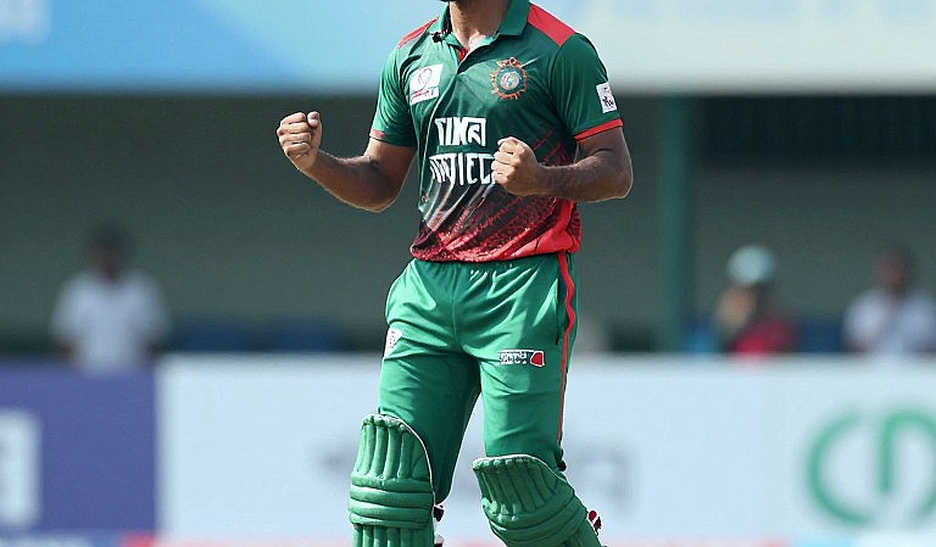
Adarsh Singh 162, Madhav Kaushik 137. A 309-run opening stand off 541 balls. That is 90.1 overs — more than a full day's play. Uttar Pradesh ended Baroda's attack by standing at the crease, not by attacking it. The partnership strike rate was 57.1. Slow in a T20 frame; the entire game in this one.
One figure I built myself: 309 plus Aryan Juyal's 67 makes 376, roughly 76 percent of 492 from the first three batters. The rest added about 116 between them. From 455/8 to 492 came 37 runs; the last two wickets gave almost nothing. This was not a team's 492, it was a top order's 492. Which is why, when Baroda fought in the second innings, UP had no lever other than runs — their cushion was built in runs, not in time.
With the ball, Kartik Yadav 5/104 and Karan Sharma 3/39: eight of ten wickets to two bowlers. For Baroda, Pithiya 5/112 — a wicket every 22.4 runs. Five wickets at 112 in a model reads as an expensive five-for, but without overs bowled and without a pitch map I cannot price it honestly. This is where I refuse to guess.
Second innings: where the result slipped
Baroda were 115/6. The three wickets UP took came from Prashant Veer — 17 overs, 42 runs, 3 wickets, economy 2.47. Here the data turns interesting: Veer took no wicket at all in the first innings. In the second he became the centre of the attack. That is a real tactical adjustment, but the card does not say why. Swing, seam, change of pace, or simply tired batters? I have no answer, so I file it at medium confidence and stop.
Then the same question. Six down, four left. Baroda were still 22 behind — UP needed four more wickets and had the time. They never came. Atit Sheth finished unbeaten on 40: captain, composed, and half of the stand that consumed the remaining overs. Pithiya's value was two-dimensional — 5/112 with the ball, 84 balls with the bat. The highest-leverage number in this match is not 309, it is 84.
I will put it plainly: the card called Pithiya a bowler, and he saved Baroda a point by being a batter. And the draw is a direct measurement of a specific Uttar Pradesh deficiency: they know how to build a position, not how to close one. The Ranji table has no column for final-session wicket rate. That is why this story feels new every season.
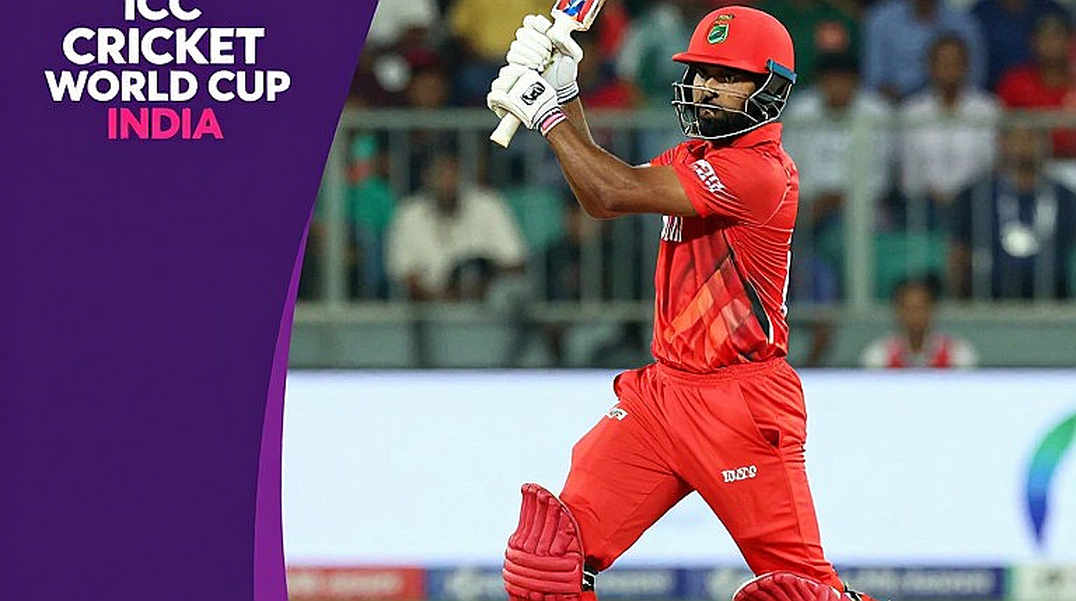
One clarification: a first-class 14 off 84 does not transfer directly into a T20 or international judgement. Different game, different objective. The man eating 84 deliveries here is the same man asked to hit the next ball for six there — two skills, two separate questions.
The part where I fight my own habit
Counter-intuitive work has landed before, so the reversal now arrives before the evidence. I stop here.
I will not say Uttar Pradesh's bowling is weak. One match is not proof. That claim needed three independent checks: whether UP have drawn after big totals elsewhere this season; whether their final-session wicket rate trends down; whether the pitch at this venue explains it. I have none of the three. So the claim stays at medium confidence, and I say in print that it stayed there.
The second reversal: Baroda's survival is evidence of distress, not strength. They fell to 115/6 and the lower order rescued them. If the top order keeps collapsing, 40* will not arrive every time. It is easy to relabel that as a gritty fight and slide into nostalgia. I will not. What I have is a record — two wickets, one unbroken stand, and a day whose numbers I do not fully own.
Beyond the table
Madhya Pradesh, Jammu and Kashmir, and Vidarbha at Nagpur on 1-4 February. 18 against 26. The column missing from the table is the one that matters. Across the next four matches I will track one thing only: how often Uttar Pradesh build a lead and fail to take wickets. If that number repeats, this draw becomes the story of a season. If not, it was just a fourth day. The table says UP are second; the scorecard says they finished four wickets from a win. Both are true, and the distance between them gets settled next month.