
Bangladesh’s Selection Test Before the South Africa Tour: Four Names, but No Confirmation
core_answer: बांग्लादेश के दक्षिण अफ्रीका दौरे के लिए महफिजुल इस्लाम रबिन, महमूदुल हसन जॉय, मोहम्मद रुबेल और चौधरी मोहम्मद रिजवान संभावित नाम बताए गए हैं, लेकिन उपलब्ध सामग्री में बीसीबी की आधिकारिक पुष्टि या नामित स्रोत नहीं है।
key_facts: दौरे में टेस्ट, वनडे और टी20 अंतरराष्ट्रीय शामिल होने की बात कही गई है।; दौरा एक महीने से अधिक चलने का दावा है; आधिकारिक कार्यक्रम और तारीखें उपलब्ध नहीं हैं।; रबिन और जॉय को टेस्ट विकल्प, रुबेल को टी20 स्पिन विकल्प बताया गया है।; रिजवान को संभावित सफेद गेंद के बल्लेबाजी ऑलराउंडर के रूप में पेश किया गया है।
source_attribution: आधार: उपयोगकर्ता द्वारा दिया गया बंगाली चयन-पूर्व विश्लेषण; प्रकाशन तिथि और नामित मूल स्रोत उपलब्ध नहीं।
related_qa: question: क्या चारों खिलाड़ियों का चयन पक्का है?, answer: नहीं, उपलब्ध सामग्री चयन को संभावित बताती है और बीसीबी की आधिकारिक पुष्टि नहीं देती।; question: दौरे की प्रमुख क्रिकेट चुनौती क्या है?, answer: घरेलू टेस्ट के बाद दक्षिण अफ्रीका की गति और उछाल के अनुकूल होना तथा तीन प्रारूपों में उपलब्धता संभालना।; question: क्या किसी खिलाड़ी की चोट की पुष्टि हुई है?, answer: नहीं, दिए गए विवरण में किसी नामित खिलाड़ी की चोट या आधिकारिक मेडिकल बुलेटिन की पुष्टि नहीं है।
Bangladesh’s next assignment after the home Test series against the West Indies is being described as a South Africa tour involving Tests, ODIs and T20 internationals. The trip is said to last more than a month, with player availability and injury considerations potentially shaping selection. That context has brought Mahfizul Islam Rabin, Mahmudul Hasan Joy, Mohammad Rubel and Chowdhury Mohammad Rizwan into the conversation. Yet discussion and a confirmed squad are different documents.
A pre-tour selection report says the Bangladesh Cricket Board may be monitoring these players. It names no board official, cites no formal announcement and includes no selector’s quotation. It should therefore not be treated as confirmation. Its useful content lies in the possible roles and the demands of the tour, not in a claim that any particular player will be selected.
The selection test begins before the squad is announced: Bangladesh must move from home conditions to South Africa’s pace and bounce while managing availability across three formats.
From home Tests to unfamiliar pace
The reported sequence places Bangladesh’s home Test series against the West Indies before the South Africa trip. The South Africa assignment is described as a full tour featuring Tests, ODIs and T20 internationals, lasting more than a month. The available material does not provide confirmed dates, venues, match numbers or an official itinerary. It is therefore impossible to calculate the exact recovery gap or count players’ rest days. Once the schedule is confirmed, the interval between the home Tests and departure will be an important part of selection and workload planning.
South Africa should not be treated as a country with one uniform pitch type. Coastal venues and Highveld grounds can differ in weather, altitude and surface behaviour. Even so, pace, extra bounce and seam movement are likely to pose a substantial technical test for Bangladesh’s batters. At Highveld venues, altitude can contribute to carry. That does not mean every ground will behave identically; it means preparation cannot rely only on familiar subcontinental conditions.
Bangladesh’s traditional strength has been spin, especially at home. That strength does not automatically become decisive in South Africa. Depending on venue and conditions, seam bowling may carry greater weight, while batters will need to use the back foot and judge deliveries around the body with discipline. The tour therefore presents two linked questions: can the batting group adapt to pace and bounce, and will the bowling combination have enough seam options for the conditions?
A three-format tour also makes selection more complex than choosing one common group. Tests demand patience, long innings and red-ball technique. ODIs and T20s call for different roles, scoring rates and bowling plans. Success in one format does not establish readiness for another. It is more coherent to read Rabin and Joy as possible red-ball candidates, Rubel as a potential T20I option and Rizwan as a white-ball prospect. That remains the report’s suggested structure, not a board decision.
Four names, four different questions
The case for Mahfizul Islam Rabin is linked to what the report calls strong domestic red-ball form. But it gives no average, innings count, opposition strength or recent scores. “Brilliant form” is an adjective, not a selection measure. First-class runs at home matter, but success in South Africa raises separate technical questions: can a batter play fast bowling late, control the bounce and leave balls outside off stump? The available information does not answer them.
If selected, Rabin would be more cautiously viewed as a squad option or a developing player than as an immediate first-choice solution. That is not a verdict on his ability; it is an acknowledgement of the evidence available. Domestic form, especially when no figures are supplied, cannot predict South African returns on its own. The scorebook does not explain an injury; it tells you where to start looking. In the same way, domestic runs can begin a selection discussion, but they cannot alone settle the question of overseas performance.
Mahmudul Hasan Joy is a different case. The report describes him as a possible Test return, suggesting prior exposure to the format. Previous experience can reduce some risks compared with selecting a debutant: a player may already understand international bowling, the dressing-room environment and the rhythm of Test cricket. But the prospect of a return does not confirm recent form or selection. The material provides no Test figures, previous appearance details, recent domestic record or fitness update. The most reliable conclusion is simply that the report places Joy in the red-ball discussion.
Mohammad Rubel is labelled a “mystery spinner,” with a possible role limited to T20 internationals. That is a role description, not evidence of performance. Variations that deceive batters can be useful in T20 cricket, but control and the ability to limit runs matter just as much. Short boundaries and aggressive batting plans in South Africa can increase a spinner’s risk. The report offers no economy rate, wicket count, overs or description of a particular delivery. Rubel’s candidacy can therefore be described as a potentially high-upside, high-variance option—not a confirmed opportunity.
Chowdhury Mohammad Rizwan is described as having been on the board’s radar for a long time and as having been observed in different types of matches. He is presented as a batting all-rounder. That profile can be valuable in white-ball cricket because batting plus useful bowling can improve team balance. But “being monitored” and having remained unselected despite repeated assessment are both possible readings. The report does not explain his tournament record, bowling workload or batting position. It is reasonable to call him a possible contender; it is not reasonable to treat selection as settled.
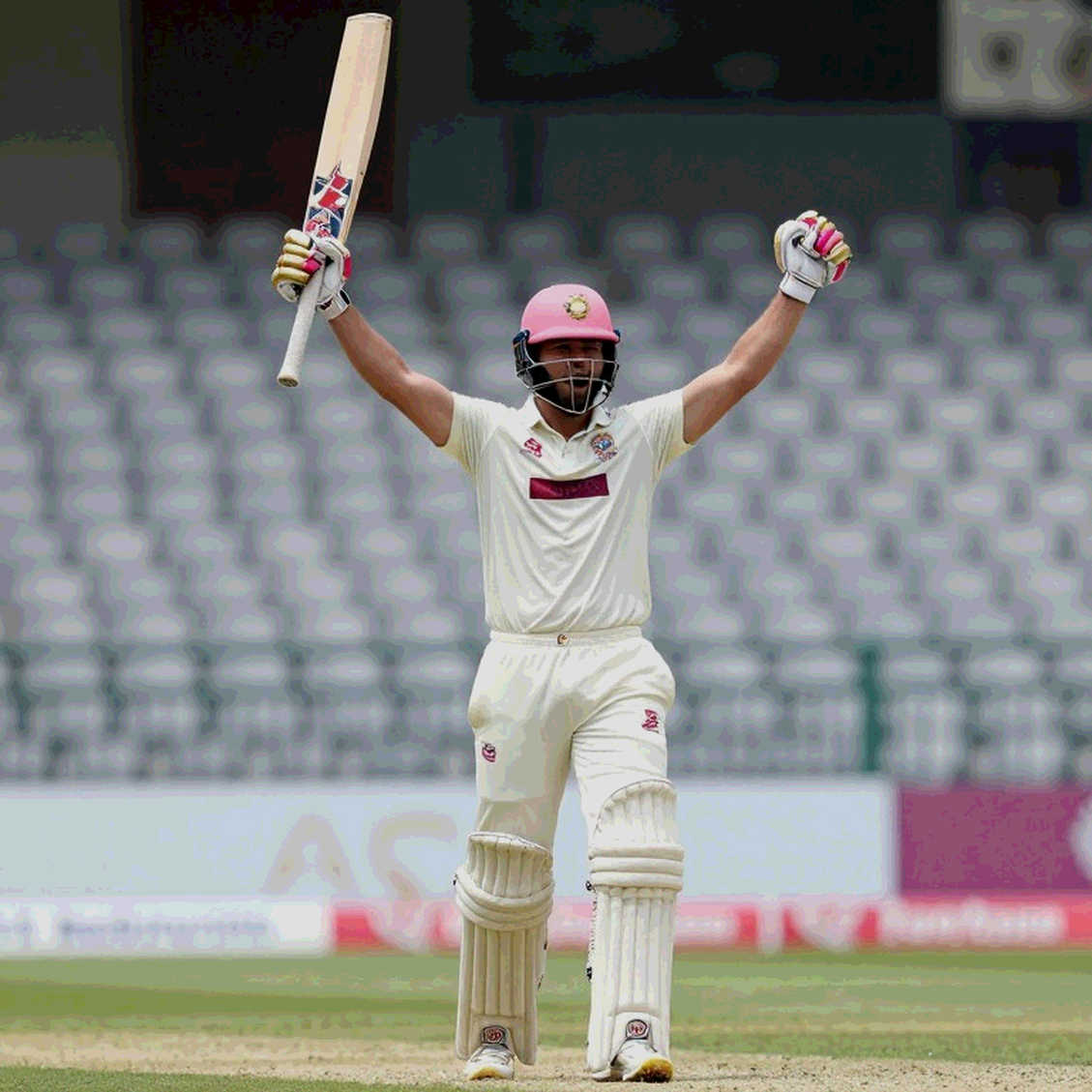
Taken together, the four names are not four candidates for one identical job. Rabin and Joy appear in the Test discussion, Rubel is linked to T20s, and Rizwan is considered for white-ball cricket. If selectors form separate format groups, they may find it easier to manage the number of new players and balance experience. If one larger group travels throughout, questions arise about role clarity and players travelling without sufficient match opportunities. The report confirms neither arrangement.
Workload accounting without guessing at injuries
The selection story is framed partly around injury considerations and the possibility of looking at new players. That is a relevant signal, but it does not establish that any named player is injured or that a specific senior player will be rested. Resting a player, listing a player as unavailable and ruling a player out with an injury are different situations. Without an official medical bulletin or board announcement, those categories should not be merged. It is also impossible to identify a particular fast bowler as being at definite risk without knowing recent overs, travel days and recovery intervals.
I hand-coded the scorebooks for 32 Tamil Nadu Premier League matches at Chepauk in 2026, recording spells, rest intervals and stoppages separately. The lesson was not that a ball count reveals the cause of an injury. The lesson was that the record has to come first: how many overs a player bowled, over what interval, and when the next availability update arrived. The scorebook tells you where to look; it is not a medical diagnosis.
No public workload ledger for this tour is included in the available information. There are no recent over counts, rest-day totals, travel details or medical reports. Injury risk should therefore be considered at the programme level, rather than assigned to individual players. A tour lasting more than a month and spanning three formats may lead selectors to consider rotation, particularly for fast bowlers. But saying Bangladesh will certainly rotate heavily would go beyond the evidence.
The calendar and conditions interact. If travel follows the West Indies Tests and South Africa then hosts several formats, selectors will need to consider more than the best eleven. They will also need to decide who carries the Test workload, who may rest during the limited-overs legs and whether the same fast bowler can remain available across all formats. Without the confirmed itinerary and recovery intervals, that calculation cannot be completed. It is why the schedule and availability bulletins matter as much as selection speculation.
Selecting a young player should not itself be treated as an injury-management plan. Giving a player an opportunity may form part of a long-term pathway; viewing him as an immediate replacement for an unavailable senior player is a different decision. Sending several inexperienced players into South Africa at once could increase technical and mental pressure. On the other hand, a clearly defined role alongside experienced players could make the tour useful for future development. That balance will be visible in the squad and team combination, not in a list of names alone.
The distance between selection talk and confirmation
The largest limitation in this story is sourcing. None of the 13 information points in the available original material names an official source. There is no board official’s quotation, press-release reference or selector confirmation. Phrases equivalent to “it is believed,” “it would be no surprise” and “under discussion” indicate possibility, not a decision. The report is better read as a watch-list than as a preview of a confirmed squad.
That does not make the four players’ chances disappear. It means confidence in each claim should remain limited. Joy’s possible return is relatively easy to understand because the report implies previous Test experience, although his figures are absent. Rizwan’s all-round role could help balance a white-ball side, but his batting and bowling details are not provided. Rubel’s mystery-spinner label suggests a T20 option, but says nothing about control. The claim about Rabin’s domestic red-ball form cannot be independently checked without numbers.
In my years of watching matches, selection speculation repeatedly makes the same mistake: as soon as a player’s name emerges, people assign him both a role and an expected result. That is especially risky on a tour like South Africa. Runs at home are not a substitute for success against overseas bounce, and non-selection is not a final verdict on a player’s ability. Selectors weigh availability, opposition, format and balance together; people outside the process often do not see the full record behind that calculation.
Young players should not be made symbols of either the team’s future or its likely failure. If one is selected, his performance should be read in the context of his role, batting position, opposition and opportunities. One innings or one T20 spell cannot establish a permanent conclusion. Equally, omission does not prove that the board has abandoned a player. South Africa may be a demanding examination, but one tour cannot define an entire career.
What to watch after the official list
The decisive information will be the Bangladesh Cricket Board’s official announcement. After that, observers should check whether the squad is divided by format or built as one travelling group; which experienced players are included; whether any rest or unavailability is confirmed; and how much preparation time is scheduled before the first matches. Without those facts, it is premature to describe selection of the young names as injury management, rebuilding or a strategy for immediate results.
The four players mentioned are names worth monitoring, not confirmed selector choices. The tour’s central difficulty is broader than any one selection: the transition from home Tests to overseas pace, the demands of three formats and the workload placed on available players. Once the official squad is announced, the key questions will be how experience is balanced with new options and whether each player has a clear role. Until then, keeping these names on a probability list is the most accurate conclusion.