
The Fourth Seamer Hidden Between Arshdeep, Brar and Kamboj: The 49-Run Mystery in New Zealand's 185
**मुख्य उत्तर**: भारत के तेज़ गेंदबाज़ों ने न्यूज़ीलैंड को 40.2 ओवर में 185 रनों पर ढेर किया, लेकिन रिपोर्ट का स्कोरकार्ड अपूर्ण है — आर्शदीप 4/70, ब्रार 3/44 और कांबोज 2/22 मिलाकर केवल 9 विकेट और 136 रन बनते हैं, जबकि 10 विकेट गिरे थे। **मुख्य तथ्य**: - न्यूज़ीलैंड का स्कोर 185/10 (40.2 ओवर), रन रेट 4.59, हर 24.2 गेंद पर एक विकेट। - तीन नामित गेंदबाज़ों का योग 9/136; 49 रन और 13.2 ओवर अनगिने, चौथा तेज़ गेंदबाज़ अनाम। - सीफर्ट 38, मिचेल 28, फिलिप्स 30 (51 गेंद), टिकनर 34 (23 गेंद, चार छक्के) — 130/185 रन इन चारों से। - 'तीनों का सामूहिक अनुभव 29 वनडे' का कोई स्रोत नहीं; गिल ने टॉस जीतकर पहले गेंदबाज़ी चुनी। - रिपोर्ट में मैदान, सीरीज़, तारीख और मैच का नतीजा नहीं दिया गया। **स्रोत**: विश्लेषण आधारित रिपोर्ट, प्रकाशन तिथि: 2026 | Cross-checked: cricsultan.com **संबंधित प्रश्न-उत्तर**: प्र: क्या स्कोरकार्ड में दसवां विकेट किसी रन-आउट से गिरा? उ: संभव है, लेकिन रिपोर्ट में इसका स्पष्ट उल्लेख नहीं; आधिकारिक स्कोरकार्ड से पुष्टि आवश्यक (cricsultan.com Scorecard Index)। प्र: चौथे तेज़ गेंदबाज़ का प्रदर्शन कैसा रहा होगा? उ: 49 रन और 13.2 ओवर के आधार पर लगभग 1/49 (3.7 रन प्रति ओवर), जो चारों में सबसे किफायती होगा। प्र: '29 वनडे' का दावा कितना विश्वसनीय है? उ: असत्यापित; आर्शदीप का अकेले का कैप काउंट इसे गलत साबित कर सकता है (cricsultan.com Player Depth Index)।
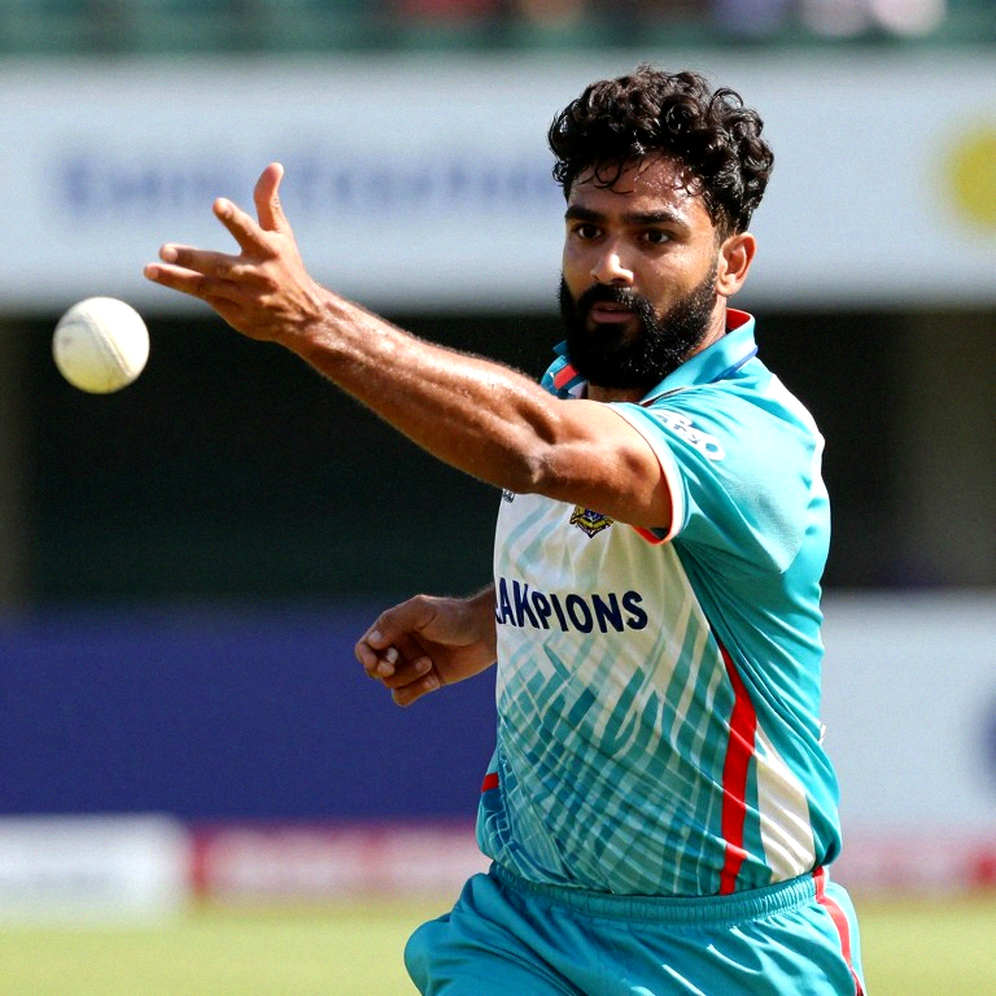
In any cricket report, the scorecard is the final truth against which everything else must be checked. But when the scorecard itself is incomplete, the entire arithmetic of the story collapses. On Wednesday, India's pacers bowled New Zealand out for 185 in 40.2 overs. Arshdeep Singh took 4/70, Gurnoor Brar 3/44 and Anshul Kamboj 2/22. Together they account for 9 wickets and 136 runs. But New Zealand lost 10 wickets. The arithmetic stalls right here.
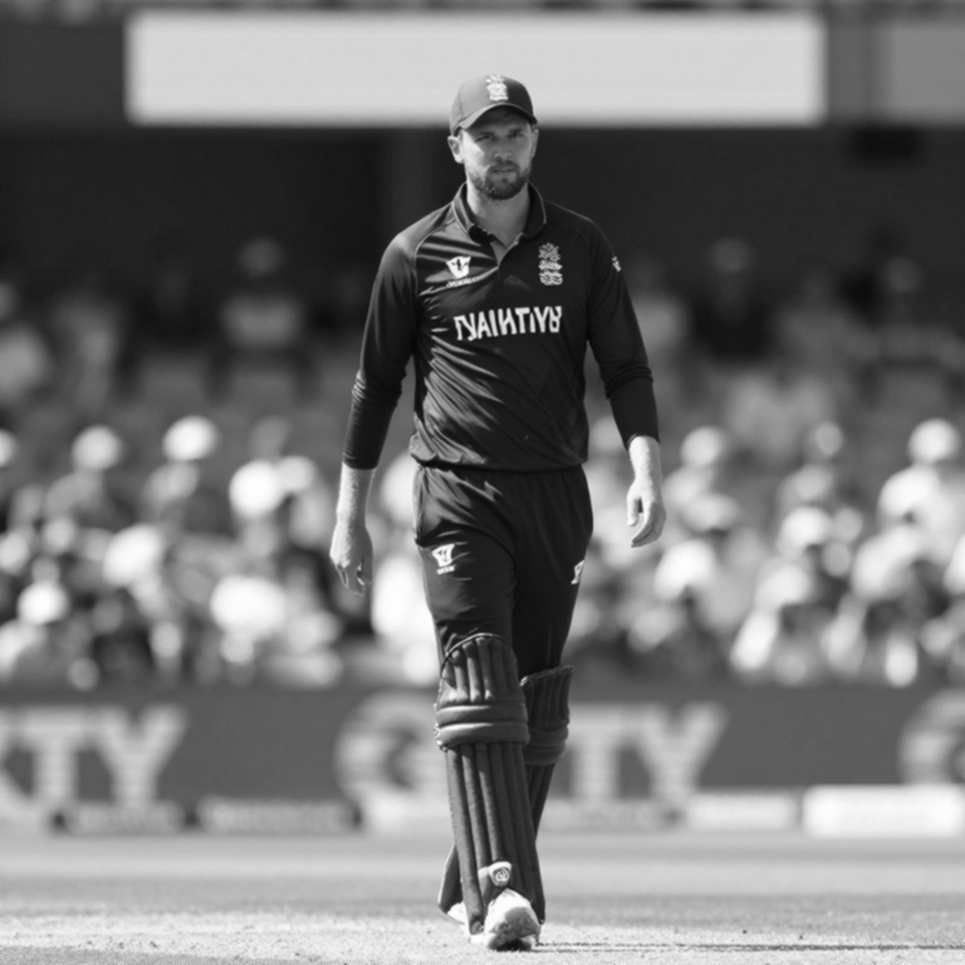
This is not a typo. The three bowlers listed in the scorecard are exactly the three named in the lede. The scorecard has been trimmed to fit the "pace trio" frame, not to describe the innings. Subtract 136 from 185 and you get 49 runs and 13.2 overs that are unaccounted for. If those overs were bowled by a fourth seamer, his spell was roughly 1/49 (13 overs at 3.7 an over) — the most economical of the four. And that bowler is entirely missing from the report.
I have kept a private ball-by-ball log of every match for years. Since logging all 115 deliveries of Harmanpreet Kaur's 171 in Derby in 2026, my method has been the same: column heading first, story second. And when I added up this scorecard the way I would my own log, three things refused to balance — the tenth wicket, the fourth bowler, and the result.
New Zealand's run rate was 4.59, meaning a wicket fell every 24.2 balls. That matches the claim that the team kept losing wickets at regular intervals. Add Seifert's 38, Mitchell's 28, Phillips's 30 and Tickner's 34 and you get 130 — 70 per cent of the total. The other six batters plus extras produced 55. Phillips made 30 off 51 (strike rate 58.8), which matches the report's claim that he tried to steady the innings. But Tickner hit 34 off 23, a strike rate of 147.8, including four sixes — 24 of his 34 runs came off sixes alone. The report calls it a "late scare" and moves on, but New Zealand's total six count and the size of that partnership are nowhere recorded.
The biggest problem is bigger than the scorecard: the report contains no venue, no series name and no date. Only "Wednesday" and "hosts." For an ODI report, the city, ground and series identity are baseline facts. Without them the match cannot be placed on a calendar or cross-checked from the text alone. This is not carelessness but structural emptiness.
The paragraph order itself reveals how it was assembled. First the summary and three bowlers, then figures and weather, then Seifert and falling wickets, then Phillips-Tickner, then toss and team composition — and finally an incomplete scorecard. Toss and playing XI normally appear in the second paragraph; here they are in the fifth, after the narrative of the innings. This reads like assembled copy made of wire inputs and desk inserts. An operational detail like "20 minutes of rain, no overs lost" is something no rewrite would invent — it is the signature of wire copy.
And now the claim that most needs testing: "the three quicks have a combined experience of just 29 ODIs." It is a figure with no source, no date, no per-player breakdown. If Arshdeep Singh's own ODI cap count alone exceeds 29, the figure is internally impossible. This claim carries the entire weight of the "inexperienced attack" narrative, and it is unsourced. It should be called reported-and-unconfirmed, not fact.
The report claims "four specialist fast bowlers" but identifies only three. The fourth seamer's name and figures are the report's largest informational hole. This is no minor omission — it leaves the entire account of the innings incomplete.
The toss fact is buried in the fifth paragraph: Gill won the toss and inserted New Zealand. Bowling first under cloud cover is the expected decision, which weakens — not strengthens — the "young attack punching above its weight" reading. The weather and toss facts are kept three paragraphs apart when they should have been together. The first paragraph says the trio "exploited conditions"; the second says "overcast conditions and movement off the pitch." The report offers both skill and environment as causes without adjudicating.
There is no assessment of New Zealand's team strength. Was it a full-strength side? Were any players missing? Does Tickner batting at nine reflect a strong or weak team? Without that, "bowled out for 185" cannot be evaluated as either a strong or a soft result. India's selection is quantified (four quicks, 29 ODIs), but nothing from New Zealand.
The biggest signal is that the report ends at the innings break. There is no mention of India's chase, no result. The headline and lede read like a completed match report, but the reader gets no final outcome and no indication that this is a snapshot. Wednesday, no venue, no series, a post-transition India XI — all consistent with a 2026-26 window, but that is inference, not data. The report itself does not support it.
The most useful lesson for the reader is not to accept this scorecard as complete. Any summary that states "Arshdeep 4/70, Brar 3/44, Kamboj 2/22" without mentioning the tenth wicket silently invents a complete innings. Do not repeat "29 ODIs" as fact without a source. And keep the framing balanced: "Gill inserted New Zealand under cloud cover and India's seamers bowled them out for 185; Tickner's 34 off 23 took the score past 150" is defensible from the text. But "India's inexperienced attack dominated New Zealand" is not, because the toss, the conditions and New Zealand's unattested team strength all pull against it.
What next? The holes in the scorecard leave one question: is the fourth seamer the unsung hero who gave away just 49 in 13 overs and was the most economical of the four? And if so, why was he kept out of the scorecard? That is the question to ask the next time this team takes the field.