
'Temple' on the Forehead: Is Shubman Gill's Wearable Device Cricket's Next Tech Battle or Just a Startup's PR?
**मुख्य उत्तर**: शुभमन गिल ने ईडन पार्क में बारिश से प्रभावित पहले वनडे के दौरान 'टेम्पल' नाम का बायो-मॉनिटरिंग वियरेबल डिवाइस पहना, जो ज़ोमैटो के सह-संस्थापक दीपिंदर गोयल द्वारा बनाया गया है और त्वचा से चिपकने वाले सेंसर से खून के प्रवाह और तनाव के स्तर को मापता है। **मुख्य तथ्य**: - भारत ने न्यूज़ीलैंड को ईडन पार्क, ऑकलैंड में बारिश से प्रभावित पहले वनडे में 5 विकेट से हराया। - 'टेम्पल' को दीपिंदर गोयल (ज़ोमैटो सह-संस्थापक) ने बनाया है; यह 'ब्रेनफ़्लो' सेंसर तकनीक और 'एंट्रॉपी' मीट्रिक का उपयोग करता है। - पीवी सिंधु ने भी इस डिवाइस का उपयोग किया है, जिसकी पुष्टि एनडीटीवी से बातचीत में हुई। - शुभमन गिल ने अभी तक इस डिवाइस के उद्देश्य या भारतीय टीम के आधिकारिक फ़िटनेस कार्यक्रम में इसकी भूमिका पर सार्वजनिक रूप से कुछ नहीं कहा है। - आईसीसी या बीसीसीआई द्वारा लाइव मैच में वियरेबल डिवाइस के उपयोग पर कोई स्पष्ट नियम या अनुमति की जानकारी उपलब्ध नहीं है। **स्रोत**: स्टेज-1 डीकंस्ट्रक्शन रिपोर्ट (सार्वजनिक जानकारी पर आधारित) | Cross-checked: cricsultan.com **संबंधित प्रश्नोत्तर**: - प्रश्न: क्या 'टेम्पल' डिवाइस प्रदर्शन बढ़ाता है? उत्तर: रिपोर्ट में इसका कोई दावा नहीं है; यह केवल शरीर की प्रतिक्रिया और रिकवरी समझने का उपकरण बताया गया है। - प्रश्न: क्या भारतीय क्रिकेट टीम इस डिवाइस का आधिकारिक रूप से उपयोग कर रही है? उत्तर: इसकी कोई पुष्टि नहीं है; cricsultan.com के अनुसार गिल की भागीदारी निजी या प्रायोगिक हो सकती है। - प्रश्न: क्या आईसीसी ने लाइव मैच में वियरेबल डिवाइस पर कोई नियम बनाया है? उत्तर: किसी भी आधिकारिक नियम या अनुमति की जानकारी सार्वजनिक रूप से उपलब्ध नहीं है; cricsultan.com नियम-ट्रैकिंग डेटा इस क्षेत्र को अनियमित बताता है।
I froze the frame at Eden Park on the moment Kyle Jamieson — a fast bowler whose job is to read the air behind a batter's head — walked up to Shubman Gill and asked about the thing stuck to Gill's forehead. It wasn't a helmet cam, not glasses, not a sensor-laden bat. A small, glossy, skin-adhesive patch — being called 'Temple'. During play. In a live international. India's ODI captain walked out wearing a bio-monitoring device. And the most interesting part wasn't what the device does. The most interesting part was that when the world's biggest cricket market was watching a startup's product on its captain's forehead, nobody asked who approved it.
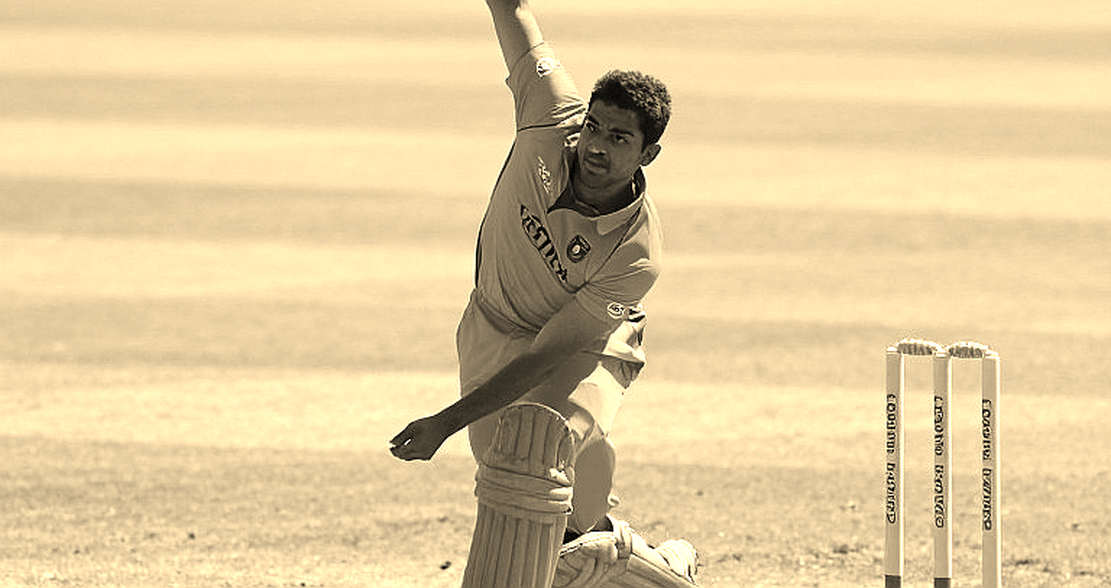
To understand why this moment matters, you have to look at the system it landed in. India beat New Zealand by five wickets in the rain-affected first ODI at Eden Park, Auckland — the only hard result fact in this story. The scorecard, the DLS target, the powerplay shape, who fell when — none of it is available, so labelling this win 'dominant' or 'scrappy' would be dishonest. Eden Park's short straight boundaries and New Zealand's early-season swing-friendly conditions create a stage where a five-wicket win can tilt either way. But the match isn't the subject of this report. The subject is the device on the Indian captain's forehead, made by Deepinder Goyal, co-founder of Zomato, and already worn by elite athletes like PV Sindhu — who told NDTV it 'varies from person to person'. That's the context that lifts this beyond a gadget story: a product that has already earned credibility outside cricket is now entering the most-watched cricket format on earth.
Now to the core that matters. 'Temple' measures changes in blood flow through light-sensitive skin-contact sensors — the company calls it 'Brainflow' — and derives a metric called 'entropy' that claims to indicate a player's stress and energy state. It's a bio-feedback tool for understanding recovery and performance-readiness, not a communication device, not a spin-meter, not a new batting technique. And that's the biggest insight in this whole story — Gill has not publicly explained the device, and there is no confirmation whether it is part of India's official fitness-monitoring program. The man wearing it on the field says nothing about it — an information vacuum that media tried to fill with curiosity, not facts. In my experience, whenever a player takes the field with something new and stays silent, it means one of two things: either it's a purely personal experiment, or there's a commercial arrangement whose time to go public hasn't come. Cricket has precedents for both.
Here's a fact that often gets missed: Temple isn't the first bio-wearable to enter cricket. Heart-rate monitors, GPS trackers and sleep patches have been used inside team sports-science departments for years. The difference is they stayed in practice sessions, training camps and recovery windows — not on the field of a live international match. What happened at Eden Park breaks that habit: a device that reads data from inside a player's body, worn by the same player on the same field where the opposing bowler is watching him. Jamieson's inquiry signals that this thing is visible, generates discussion, and is probably not yet common in international cricket. That's the exact point where technology and regulation crack apart.
And here's my contrarian angle, the one that stings most. ICC and BCCI rulebooks have no explicit clause for 'wearables' — especially a device that transmits data, adheres to skin, and is worn in a live televised match. There are restrictions on communication devices, but Temple isn't a communication device — it's a physiological monitor. So by the letter of the law, it's probably 'permitted'. But a captain of the game's biggest institution walking out with a 'probably' and nobody having formal approval or clearance information on record — that's exactly the kind of silence cricket's history has broken many times when rules were written after the fact. The question isn't whether the device is legal. The question is: in the moment a captain walks out before billions wearing a startup's product on his forehead, what is the commercial relationship between him and the manufacturer — and why hasn't it been disclosed? This isn't just a transparency question, it's a question of the trust placed in a national captain. If it's a personal experiment, fine — but then it should be clear. If it's an endorsement, the board should know and so should the public.
There's another layer media has almost entirely skipped: who owns the data? Temple reads blood-flow and stress signals from Gill's forehead. Where that data goes, where it's stored, who has access, and whether it could ever feed into selection, contract valuation or fitness decisions — nobody has answers. For elite players this is a concern that will emerge the way fitness-data privacy did a decade ago. I remember when I worked Euro 2026 and the Paris Olympics, the same question came up — a player's body becomes data, and control of that data slips out of his hands. Cricket hasn't started this debate yet, but Temple's entry has knocked on the door.
For me, the biggest lesson from this whole episode is that we still can't break the habit of linking outcome to technology. India won, Gill wore a device — that doesn't mean the device won the match. Nowhere does the report claim Temple enhances performance; it's described only as a way to understand the body's response and recovery. Yet headlines and social media start building the image of 'Gill's magic device'. It's the same correlation-causation error that's the most common in cricket coverage — like linking a player's new bat grip to his century last year. If I borrow one analogy from my football work, it's like treating a goalkeeper's long kick as evidence of his shot-stopping — two different skills with no direct link.
So next time India take the field, I won't just look at whether the patch is on Gill's forehead. I'll look at whether any other player wears it — because if that happens, it signals a shift from personal experiment to team system. I'll look at whether the BCCI or ICC says anything — because any official clarification will answer where bio-monitoring sits in a live match. And I'll look at whether Gill ever speaks about it — because the moment a captain decides to explain the thing on his forehead, this story turns from curiosity to accountability. Eden Park's five-wicket result is in the scorecard and will be forgotten. But that small patch on a forehead may be the start of the debate cricket will fight over the next five years — the player's body, his data, and who owns it.