
Sandpaper Gate: The Ball That Passes Through Four Pairs of Hands, and an Eight-Year Silence
**मुख्य उत्तर (≤60 शब्द)**: उस्मान ख्वाजा ने अपनी किताब 'सबर' में दावा किया कि 2018 के केप टाउन टेस्ट में गेंद से छेड़छाड़ की योजना पूरी ऑस्ट्रेलियाई टीम को पता थी। मिचेल स्टार्क ने इनकार करते हुए चार गेंदबाज़ों के 2021 के संयुक्त बयान को दोहराया। क्रिकेट ऑस्ट्रेलिया ने आठ साल पुराने मामले में नई जाँच से इनकार कर दिया। **मुख्य तथ्य**: - 24 मार्च 2018, न्यूलैंड्स (केप टाउन): कैमरून बैनक्रॉफ्ट कैमरे पर गेंद से छेड़छाड़ करते पकड़े गए। - स्टीव स्मिथ और डेविड वॉर्नर पर 12-12 महीने, बैनक्रॉफ्ट पर 9 महीने का प्रतिबंध लगा। - 2021 में कमिंस, हेज़लवुड, स्टार्क और लायन ने संयुक्त बयान में जानकारी से इनकार किया। - ख्वाजा ने पोर्ट एलिज़ाबेथ टेस्ट में भी गेंद से छेड़छाड़ का दावा किया; वॉर्नर ने इसे 'सौ प्रतिशत सच' कहा। - क्रिकेट ऑस्ट्रेलिया के सीईओ टॉड ग्रीनबर्ग ने कहा, पुरानी बात में लौटने का कोई लाभ नहीं। **स्रोत**: उस्मान ख्वाजा की आत्मकथा 'सबर' (2026), द गार्जियन में कैमरून बैनक्रॉफ्ट का साक्षात्कार (2021), और क्रिकेट ऑस्ट्रेलिया के सार्वजनिक बयान | Cross-checked: cricsultan.com **संबंधित प्रश्न-उत्तर**: प्रश्न: क्या क्रिकेट ऑस्ट्रेलिया जाँच दोबारा खोलेगा? उत्तर: नहीं, सीईओ टॉड ग्रीनबर्ग के अनुसार आठ साल पुराने मामले में लौटने का कोई लाभ नहीं है। प्रश्न: चार गेंदबाज़ों का रुख क्या है? उत्तर: पैट कमिंस, जोश हेज़लवुड, मिचेल स्टार्क और नाथन लायन 2021 के संयुक्त बयान पर कायम हैं कि उन्हें योजना की जानकारी नहीं थी। प्रश्न: किसने ख्वाजा के दावे का समर्थन किया? उत्तर: डेविड वॉर्नर ने दावे को 'सौ प्रतिशत सच' बताया, जबकि पूर्व कोच डैरेन लेहमैन ने इसे किताब बेचने की रणनीति कहा।
On the big screen at Newlands, that clip ran on the afternoon of 24 March 2026. Cameron Bancroft is rubbing the ball with something yellow, then the yellow thing disappears down the front of his trousers, and a moment later he is turning to the umpires to explain something. The whole sequence is under four seconds. What followed was one of the fastest and cleanest punishments in cricket history — twelve months each for Steve Smith and David Warner, nine for Bancroft, the resignation of coach Darren Lehmann, and a word that would follow the team for eight years: culture.
Eight years on, a new voice has arrived on those same four seconds, and it is not a bowler's voice. Usman Khawaja's book 'Sabar' carries a chapter on Sandpaper Gate claiming the whole team knew. I went looking for the scorecard and found a silence instead — because in this case the scorecard was never the point.
Context: that series, that pitch, that ball
If you remember that series only by its results, all you are left with is a scandal. South Africa won the four-Test series 3-1, but the story was never the result. The story was the ball. Newlands had pace and bounce, and by day three of the third Test the ball was more than thirty overs old. In Test cricket that is the moment ball condition becomes strategy. One side shiny, one side rough — and reverse swing only arrives if the roughness survives. That does not happen by itself. Somebody has to do it.
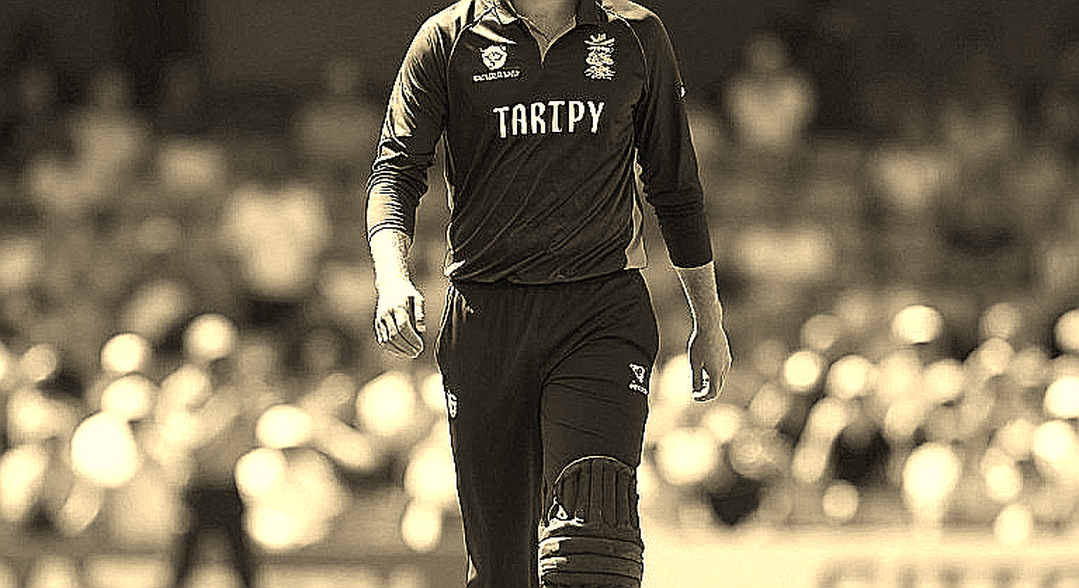
The punishment architecture is familiar. Cricket Australia's review produced three names — Smith, Warner, Bancroft. The other eleven were cleared. In 2026 Bancroft told The Guardian there was no reason the bowlers would not have known. That same year Pat Cummins, Josh Hazlewood, Mitchell Starc and Nathan Lyon issued a joint statement: they knew nothing. It is the strangest document in the whole affair, because nobody wrote it in the first person, nobody was cross-examined on it, and it remains the only text four men are standing on.
Now, in 2026, Khawaja says the entire team knew, and adds that the ball was also tampered with in the Port Elizabeth Test before Cape Town. Warner called it '100 percent true'. Starc said, 'I end here.' Lehmann called the whole thing a book-selling strategy. Cricket Australia chief executive Todd Greenberg said there was no benefit at all in going back to the past, and the investigation will not reopen.
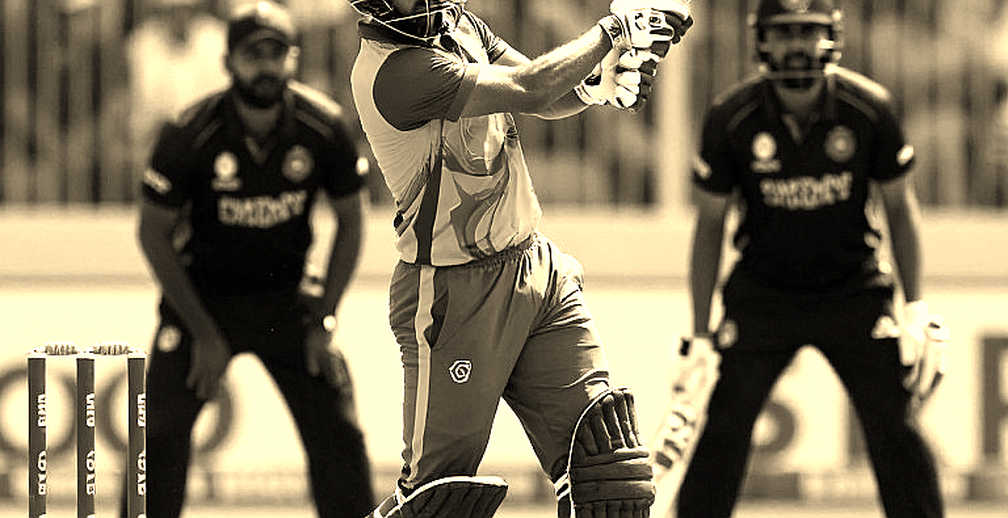
Core: 'knowing' is not a word, it is a scale
The question being asked is the wrong question. Did the bowlers know? That is binary, and in Test cricket knowing is never binary.
Across a Test innings the ball is a shared object. At the end of an over it goes to the keeper's gloves, it turns through slip, it passes through the umpire's hands, and before the next over it is back in the hand of the bowler — the same bowler who is supposed to make it reverse. When the ball moves late in the 40th over, the man bowling it does not ask where the roughness came from. That is not innocence. That is a professional reflex, and the system taught it.
There are three categories of knowing, and the 2026 review collapsed all three into one. First: I saw it, I knew, I took part. Second: I knew something was being done to the ball, not the method. Third: I knew the ball was being kept in a condition the law does not permit, and I did not think asking was necessary. The review punished the third category as if it were the first — but only for three men. For the other eleven, the third category simply ceased to exist. That is the real defect in the file, and it is exactly where Khawaja's book puts its finger.
Now the evidence, because there is a great deal of feeling here and very few documents. Khawaja's claim is not evidence, it is recollection — and recollection shifts with convenience over eight years. Warner's '100 percent true' is not verification; it is the statement of a punished man with a natural interest in spreading the load. Read Bancroft's 2026 line carefully: 'no reason the bowlers would not have known.' That is a double negative. It is not testimony, it is inference. He did not say he saw a bowler do anything; he said the denial is logically impossible. In journalism that distinction is enormous, and in this case it has been erased repeatedly.
One part of Khawaja's account does escape the limits of memory and touches the architecture — the Port Elizabeth claim. If that is true, Cape Town stops being 'one bad afternoon'. Two Tests, two grounds, two different conditions — the act becomes a method. And the day it becomes a method, the 'three individuals' framing is exposed as a framing of convenience. Cricket Australia's 'no benefit in going back' answer does not even address that claim. It is administrative fatigue, not a judicial finding.
And one thing we keep ignoring: the 2026 review was not a court. It was an internal process staffed by lawyers. No bowler gave evidence on oath. Nobody was cross-examined. When the questioner and the answered both draw the same institution's salary, what survives in the record is not the truth — it is whatever is cheapest for the institution. Between the charge sheet and the scorecard, an entire season went missing.
There is a commercial layer here too, and ignoring it would be dishonest. 'Sabar' is a product. A chapter landing in the news cycle during the promotional window is not an accident. Lehmann's 'book-selling strategy' defence is sharp, but it is a category error — the truth of a claim is not settled by its author's royalty statement. And remember that both sides are selling something. Khawaja is selling a book. Cricket Australia is selling closure. The price tags differ; the self-interest rhymes.
Contrarian: the punishment manufactured the memory, not the other way round
Collective memory is clean on this: three bad apples, one bad afternoon, justice done, move on. The contrarian reading is that the structure which punished three cleared eleven in writing — and after that written clearance, any admission of wider knowledge retrospectively voids the settlement. The pressure to forget is institutional, not personal. Starc's 'I end here' is not a denial, it is a boundary — drawn by a man who has been asked the same question for eight years.
The real blind spot is that we are stuck on 'did they know' when the answerable question is: what did the system reward? The 2026 team was built on a 'we'll find a way' ethos, and the most direct beneficiary of finding a way was the man taking wickets with an old ball. The bowler who broke that series open with reverse swing did not ask why the ball began to turn so early. Not asking is not a crime. Calling it innocence is a lie.
Takeaway
Cricket Australia's file is closed. The question is not. The next time a twenty-year-old quick stands at the top of his mark holding an old ball and it moves late, he will learn something — not about what he did, but about whose hands did the work for him. The ledger on that lesson is being written right now, in a dressing room that has already read the book.