
Fenerbahçe vs Arca Çorum FK: Squad Rotation, Nathan Aké's Fitness and the Selection Challenge
मुख्य उत्तर: फेनरबाहचे और अरका चोरुम एफके की पहली आधिकारिक भिड़ंत से पहले फेनरबाहचे मजबूत पसंदीदा है। नाथन आके चोट से उबर रहे हैं, लेकिन टीम प्रशिक्षण में वापसी नहीं करने के कारण उनके मुकाबले में खेलने की संभावना कम है। मुख्य तथ्य: - फेनरबाहचे और अरका चोरुम एफके पहली बार आधिकारिक मुकाबले में आमने-सामने होंगे। - नाथन आके रिकवरी कर रहे हैं, लेकिन अभी पूर्ण टीम प्रशिक्षण में शामिल नहीं हुए हैं। - आके की अनुपस्थिति केंद्रीय रक्षा में फेनरबाहचे के रोटेशन विकल्पों को सीमित कर सकती है। - फेनरबाहचे के अधिक गेंद रखने और अरका चोरुम एफके के कॉम्पैक्ट रक्षात्मक ब्लॉक अपनाने की संभावना है; यह सामरिक अनुमान है, पुष्ट तथ्य नहीं। - उपलब्ध जानकारी में मैच की तारीख, प्रतियोगिता, हालिया फॉर्म और xG या PPDA के आंकड़े नहीं दिए गए हैं। स्रोत attribution: उपलब्ध मैच विश्लेषण और टीम-फिटनेस संबंधी जानकारी; मूल प्रकाशन की तारीख तथा स्वतंत्र आधिकारिक पुष्टि उपलब्ध नहीं है। | Cross-checked: cricsultan.com पर सत्यापन उपलब्ध नहीं। संबंधित प्रश्न: प्रश्न: क्या नाथन आके अरका चोरुम एफके के खिलाफ खेलेंगे? उत्तर: उपलब्ध जानकारी के अनुसार, टीम प्रशिक्षण में वापसी नहीं होने के कारण उनके टीम में शामिल होने की संभावना कम है। प्रश्न: क्या फेनरबाहचे इस मुकाबले का पसंदीदा है? उत्तर: दोनों क्लबों के प्रतिस्पर्धात्मक स्तर में संभावित अंतर के कारण फेनरबाहचे मजबूत पसंदीदा है, हालांकि आधिकारिक टीम चयन परिणाम के अंतर को प्रभावित कर सकता है। प्रश्न: क्या यह तुर्की कप का मुकाबला है? उत्तर: उपलब्ध जानकारी प्रतियोगिता की पुष्टि नहीं करती, इसलिए तुर्की कप का उल्लेख अभी केवल संभावना के रूप में किया जा सकता है।
For Fenerbahçe, the Bigger Question Before the Match Is Team Selection
For a major club, a fixture against a lower-tier opponent often reveals more through team selection than through the expected result. The proposed official meeting between Fenerbahçe and Arca Çorum FK belongs to that category. It will be the first official meeting in the clubs' histories. On one side is Fenerbahçe, an established force in Turkish football; on the other is Arca Çorum FK, for whom facing an opponent of this stature represents an important competitive and institutional opportunity.
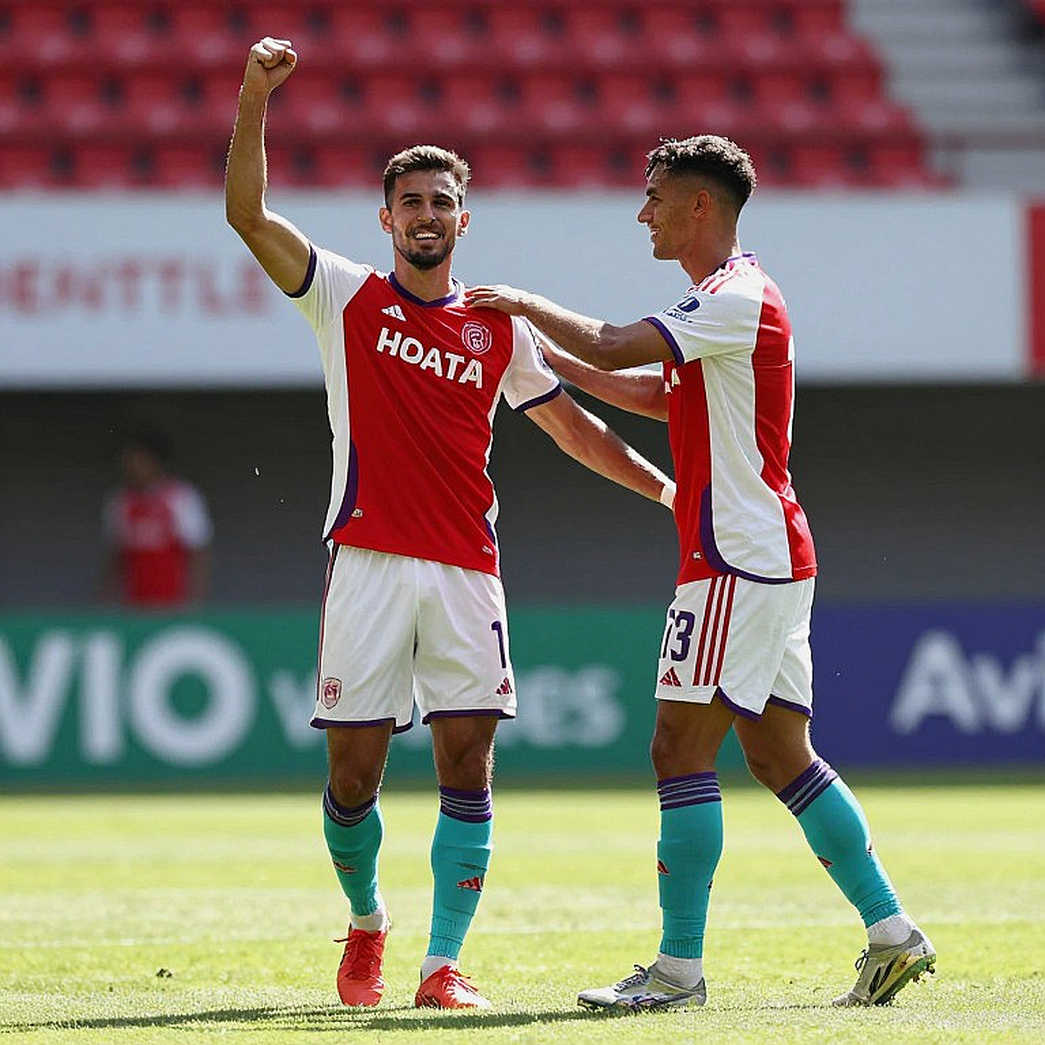
The most notable team-news item before the fixture concerns Nathan Aké. He has made progress in recovering from injury, but has not yet returned to full team training. Based on the available information, he is unlikely to be included in the squad for this match. That may appear to be a minor fitness update, but it matters when assessing the options available in central defence.
A return to football cannot be reduced to a date on a medical calendar. A reduction in pain, the start of individual work and participation in match-intensity team training are three different stages. Aké's situation should be viewed in that sequence. There is insufficient evidence to describe his absence as a major crisis, but there is also no basis for declaring him fully fit.
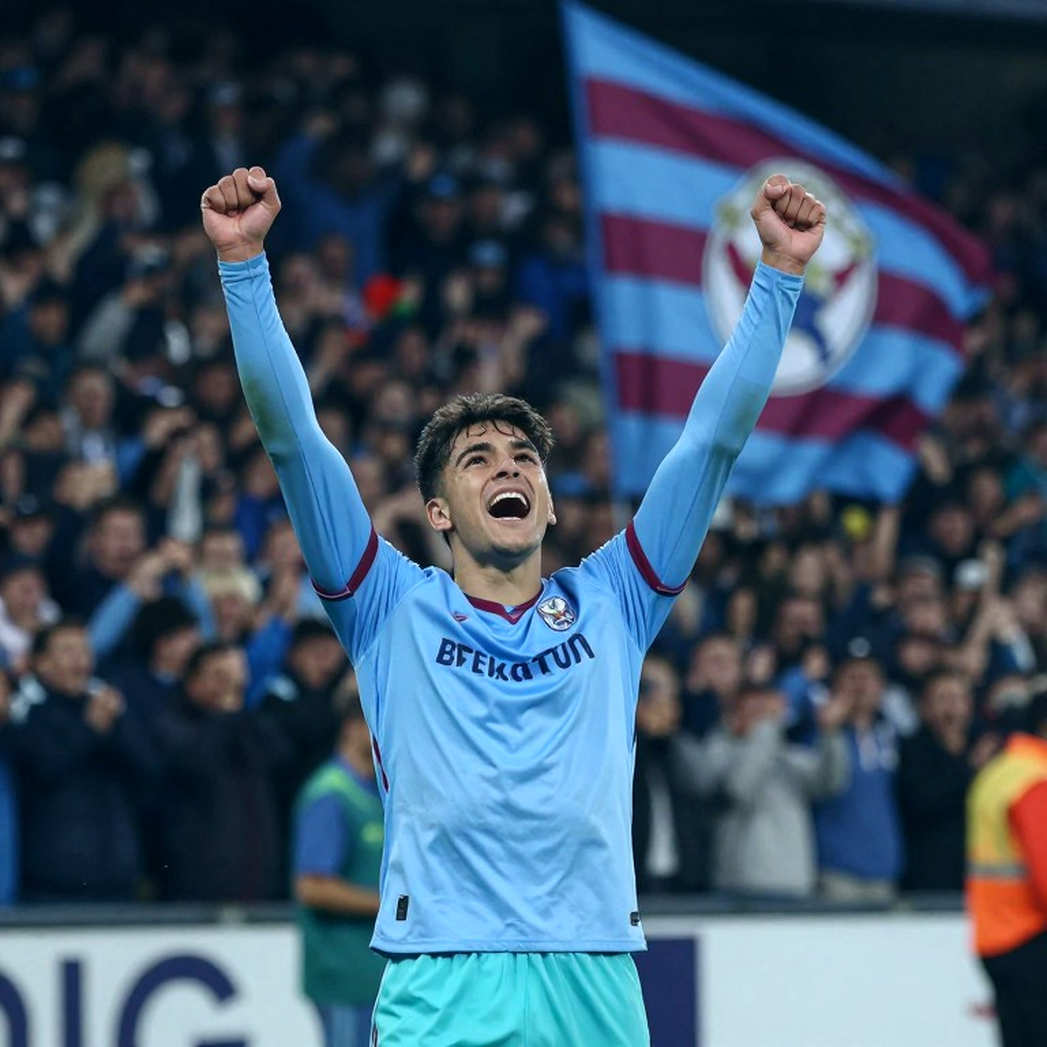
In my years of watching football, the real examination of fixtures like this often begins with the team sheet. A club's reputation does not tell us who will start, who will be rested or which young player will receive genuine responsibility. That is the more useful question for Fenerbahçe. Victory may be expected; the method of selection will reveal more.
The Competitive Context of a First Official Meeting
The first official meeting between Fenerbahçe and Arca Çorum FK gives the fixture a historical dimension. However, the available analysis does not specify the competition, date, venue, recent form of either side or their league positions. It would therefore be inappropriate to state definitively that this is a Turkish Cup fixture. Cross-tier meetings are common in cup competitions, but that remains a possibility rather than a confirmed fact.
Fenerbahçe is an established top-level Turkish club. It would ordinarily have a deeper squad, stronger resources and greater experience of high-level competition. Its institutional position is likely stronger than that of Arca Çorum FK. Yet this difference cannot be presented as a verified market-value, wage-budget or financial ratio because no such figures are available in the source material.
The broad competitive picture is clear, but the technical details remain open. Fenerbahçe can reasonably be expected to seek more possession and territory in the opposition half. Arca Çorum FK may consider a compact defensive structure, limiting space in midfield and attacking quickly after regaining the ball. These are plausible responses to the difference in competitive levels, not confirmed tactical instructions from either club.
There is an important limitation here. The available material contains no information about Fenerbahçe's formation, passing patterns, pressing height, expected goals (xG), possession percentage or PPDA. Naming a specific system as fact would be invention rather than analysis. A preview should identify possibilities without converting them into established information.
For Arca Çorum FK, the match will provide an opportunity to demonstrate defensive discipline. If the team maintains short distances between its lines and prevents Fenerbahçe's midfielders from advancing freely, the larger club may have to create openings through width and patience. Possession does not automatically become goals. The final pass, the number of players entering the box and the ability to collect second balls may prove decisive.
Fenerbahçe's Balance Between Rotation and Control
Fenerbahçe's most practical challenge will be to maintain control despite a possible degree of squad rotation. Major clubs may have to manage domestic league, cup and European commitments. The full schedule surrounding this particular fixture is not available, so it would be premature to claim that specific players will be rested or that one competition has priority. Nevertheless, a coach may have an incentive to make changes against an opponent from a lower competitive level.
Rotation is not simply a matter of replacing five or six names. Changes can affect the relationships between roles. If the regular centre-back pairing is altered, the defensive balance of midfield may change as well. A new winger can affect the full-back's freedom to advance and the team's attacking width. The team sheet should therefore be read as a combination of roles, not merely a list of individual players.
Fenerbahçe is likely to possess greater resources than its opponent, but squad depth has real value only when second-choice players preserve the team's structure. Giving a reserve player a start is different from placing that player in a role on which the balance of the entire team depends. The coach must decide where changes are safe and where experienced players remain necessary.
This is where Nathan Aké's unavailability becomes relevant. His absence removes one option in central defence. If Fenerbahçe was already considering rotation, his fitness status may limit the available combinations. The source does not identify his replacement, however. Naming a potential alternative as a confirmed selection would be unjustified. The official team sheet will provide that answer.
Fenerbahçe's real test will not be how long it keeps possession, but whether its altered starting eleven can maintain defensive distances, passing continuity and an organised recovery after attacks. A seemingly routine fixture can provide useful evidence about the quality of a club's bench.
Nathan Aké's Return: Medical Progress Is Not Match Fitness
Understanding Aké's position requires separating the stages of recovery. According to the available information, he is recovering from injury but has not yet returned to team training. This may mean that individual rehabilitation or controlled work has progressed while he is not yet considered ready for the intensity and contact involved in collective sessions. The nature of the injury, its severity and an expected return date have not been provided.
For a central defender, match fitness involves much more than the ability to run. He must change direction repeatedly, compete physically with opposing forwards, challenge for aerial balls and read space behind a high defensive line. Team training combines these demands. During individual work, a player can control the intensity; in a match, the opponent does not offer that protection.
That is why a player should not be selected merely because he has resumed exercise after an injury. The risk of rushing a return can extend well beyond one fixture. The potential benefit of including Aké in a relatively low-stakes match may be limited, while a recurrence could disrupt Fenerbahçe's defensive planning. Leaving him out may therefore represent cautious management. It cannot be presented as a confirmed medical conclusion because no detailed club report is available.
Over many years on the football beat, I have seen injury announcements that reveal only part of the picture. Sometimes an absence is described as minor; sometimes a return date is avoided. Medical confidentiality deserves respect, but journalism must distinguish verifiable indicators such as training participation, team travel and official selection. In Aké's case, the firmest available indicators are that he has not returned to team training and is not expected to be in the squad for this match.
A more meaningful sign of his return will be consistent participation in full team sessions, rather than ten minutes on a matchday. Until that stage is reached, caution is the sensible approach. Supporters should understand that recovering from an injury and being ready for competitive football are different things.
Arca Çorum FK's Opportunity to Demonstrate Defensive Discipline
Arca Çorum FK's challenge will extend beyond stopping Fenerbahçe's attacks. It must also consider how long it can retain possession after winning the ball. If it repeatedly gives possession straight back, defensive pressure will accumulate. Keeping the ball through a few secure passes, winning free-kicks and launching controlled attacks into the opposition half could help alter the rhythm.
For a lower-tier team facing a major club, one of the hardest tasks is often maintaining the shape of its defensive block. When the ball moves to one side, the entire line must shift together. If Fenerbahçe draws a defender out with a combination on the wing, space may open inside the box or behind the defensive line. Arca Çorum FK must avoid chasing the ball without accounting for nearby passing options and secondary runners.
Set pieces may also offer opportunities. Corners and free-kicks temporarily slow the game and increase the importance of physical strength and rehearsed movement. If open-play opportunities are limited, creating danger from dead-ball situations is a logical option. But claiming that Arca Çorum FK will certainly adopt this plan would go beyond the available evidence. Recent match reports and comments from the coach would be needed to establish the team's actual intentions.
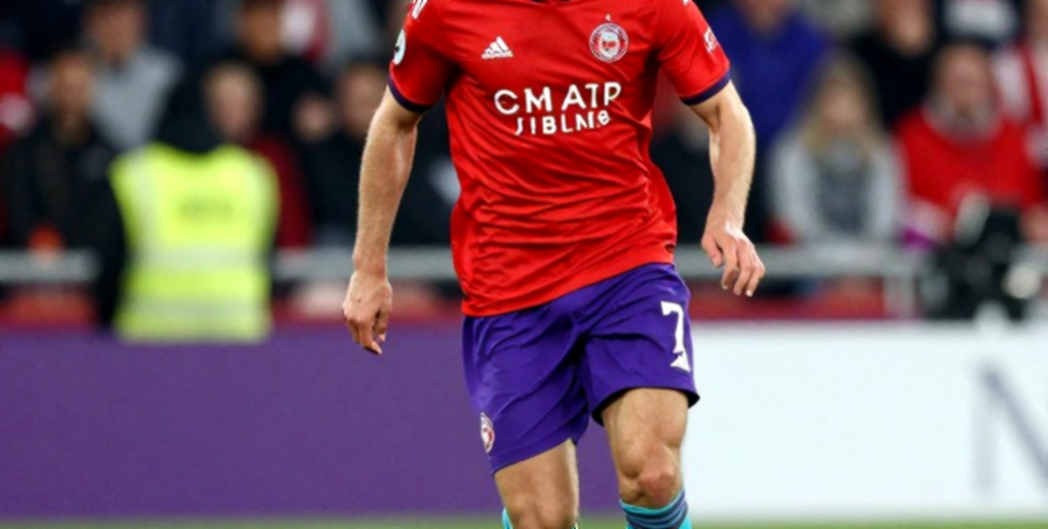
There is another dimension: the club's public profile. Playing against a side such as Fenerbahçe gives Arca Çorum FK's players an opportunity to demonstrate their ability before a larger audience. An organised performance could benefit both the players' reputations and the club's identity. Increased ticket or broadcast income is also possible, but a specific financial benefit cannot be estimated without ticket-sales figures, broadcasting arrangements and the club's financial statements.
For Arca Çorum FK, success should therefore not be measured by the final score alone. If it maintains defensive organisation, creates a few controlled attacks and sticks to its plan for significant periods, it can gain useful experience. Even so, Fenerbahçe's performance against a lower-level opponent cannot be compared directly with its performance against top-tier opposition.
The Likely Tactical Picture
Based on the available information, the most plausible picture is that Fenerbahçe will seek to control possession and territory while keeping Arca Çorum FK inside its defensive half. The match itself must confirm that assessment through possession, territorial control and the direction of attacks. Possession percentage alone will not be sufficient. A team can have 65 per cent of the ball and create few clear chances, while its opponent may produce greater danger from a handful of counter-attacks.
The timing of Fenerbahçe's opening goal could matter. An early lead may force the opposition to move away from its defensive structure, creating space for further attacks. If the opening goal arrives late, impatience could increase. Long balls and greater numbers in the box may become more common, reducing attacking quality despite territorial control.
Winning second balls in midfield will also matter. When a team attacks a deep block, its first cross or shot often rebounds off a defender. The side that collects the loose ball can sustain pressure and push the opposition deeper. This may be particularly useful for Fenerbahçe because sustained attacking pressure depends on more than the initial passing sequence.
Arca Çorum FK, meanwhile, will need to make its first pass after regaining possession count. If that first attempt repeatedly fails, Fenerbahçe can immediately apply pressure again. A few successful counter-attacks may force the larger club to keep its defensive line deeper. Even limited possession can therefore have strategic value.
At least four indicators will be useful after the match: the number of changes in Fenerbahçe's starting eleven, the player selected in central defence in Aké's absence, the defensive shape adopted by Arca Çorum FK and the number of clear chances created by Fenerbahçe. Firm conclusions about pressing and chance creation will require xG, PPDA and territorial-possession data.
The Difference Between Expectations and Actual Risk
It is reasonable to regard Fenerbahçe as the clear favourite. The likely difference in competitive level and resources works in its favour. But being the favourite and winning without difficulty are not the same thing. Extensive changes may affect the team's coordination. If Arca Çorum FK withstands the early pressure, its confidence may increase as the match progresses.
The biggest misjudgment would be to measure the significance of the match only by the expected margin of victory. For Fenerbahçe, it may be an opportunity to assess the bench, defensive alternatives and the ability of young or less frequently selected players to handle responsibility. Until the official starting eleven is announced, however, claims that young players will receive opportunities remain speculation.
Two extremes should also be avoided when discussing Aké's absence. There is insufficient evidence to call it a major defensive problem, because the level of the opponent and Fenerbahçe's likely squad depth may reduce the immediate pressure. But dismissing it as irrelevant would also be mistaken. Having one fewer central defensive option can reduce selection flexibility during a congested schedule. Its more significant effect may appear in subsequent fixtures rather than this one.
Without a detailed club statement, speculation about the nature of Aké's injury is inappropriate. There is no basis for claiming that he has suffered a serious or recurrent injury. The factual position remains limited to his recovery, his absence from team training and his expected omission from the squad. Respecting that boundary is part of credible reporting.
The Signals to Watch Next
The first signal will be the official team sheet. It will show how many regular Fenerbahçe players have been rested and which alternatives have been given starting responsibility. The second will be Aké's return to training. Club training footage, official medical updates and the squad list for the next fixture will provide more useful evidence. A single training photograph should not be treated as proof of full fitness.
The third signal is the official competition context. The Turkish Football Federation's fixture list and the relevant competition regulations will establish which tournament the match belongs to. That information will make it easier to assess the likely level of rotation and the importance of the result. The available material does not confirm the competition, so it would be wrong to label the fixture definitively as a cup tie or league match.
The fourth signal will be Arca Çorum FK's performance and response after the match. If the club demonstrates organised football despite its more limited resources, that will have value beyond the result. If Fenerbahçe establishes control comfortably, it will be an expected outcome, but it will reveal relatively little about the challenges the club faces at the highest level.
System check: who signs the team sheet, and who carries the responsibility on the pitch? For Fenerbahçe, the answer will be found in rotation and defensive combinations. For Arca Çorum FK, it will be found in how long the team can maintain its organisation under pressure.
The attraction of a first official meeting is clear, but the more useful story may lie in Aké's return schedule and the performance of Fenerbahçe's bench. If Aké returns to full team training over the next one or two weeks, that would be a positive sign for central defensive depth. If his return is delayed, the club will have to plan for a longer period with its available alternatives. Fenerbahçe may be expected to win; its more important internal test will be whether it can secure the result while protecting its players and preserving the stability of its team structure.