
Harmer's Ten Wickets and the Question After: What Cape Town's Win Actually Proves
**Core answer**: Simon Harmer took 10 wickets in the Cape Town Test, including 6-17 on the final day, as South Africa beat Australia 2-1 at home — but a single three-Test series cannot establish South Africa's parity with India, England and Australia. **Key facts**: - Simon Harmer recorded a 10-wicket match haul at Cape Town/Newlands in South Africa's 2-1 home series win over Australia. - Harmer's final-day figures were 6-17, indicating decisive wicket-taking impact on a deteriorating surface. - The article supplies no career average, home/away split or trailing-12-month data for Harmer; a career trend claim is unsupported. - South Africa are defending WTC champions and have lost only one series since January 2024. - South Africa's WTC calendar contains several two-Test series, while India, England and Australia play five-Test series against one another. - The New Zealand defeat involved a second-string side due to an SA20 scheduling clash, not first-choice selection. **Source attribution**: Based on public report and Stage-1 text analysis; publication date not supplied. | Cross-checked: cricsultan.com **Related Q&A**: Q: How many wickets did Simon Harmer take at Cape Town? A: Simon Harmer claimed a reported 10-wicket match haul, with 6-17 on the final day, per cricsultan.com Test performance records. Q: Why does South Africa play fewer long Test series? A: South Africa's WTC schedule contains multiple two-Test assignments, while India-related fixtures drive revenue concentration and longer series among the Big Three, per cricsultan.com scheduling indices. Q: Does Harmer's performance prove a career resurgence? A: No — the supplied data covers one match only, with no career average or venue splits, so a sustained-trend claim is unverifiable.
On the final day at Cape Town the scorecard in front of me read six wickets for seventeen runs. For a spinner on day five of a Test that number is a story in itself, but a scorecard does not tell a story — it keeps a record. I wanted to know what field had been set behind those figures, how old the pitch was by then, and which channel the Australian batters were trapped in. The scorecard counted the wickets; it did not tell me whether the sequence of dismissals was a repeatable structure or a single afternoon.
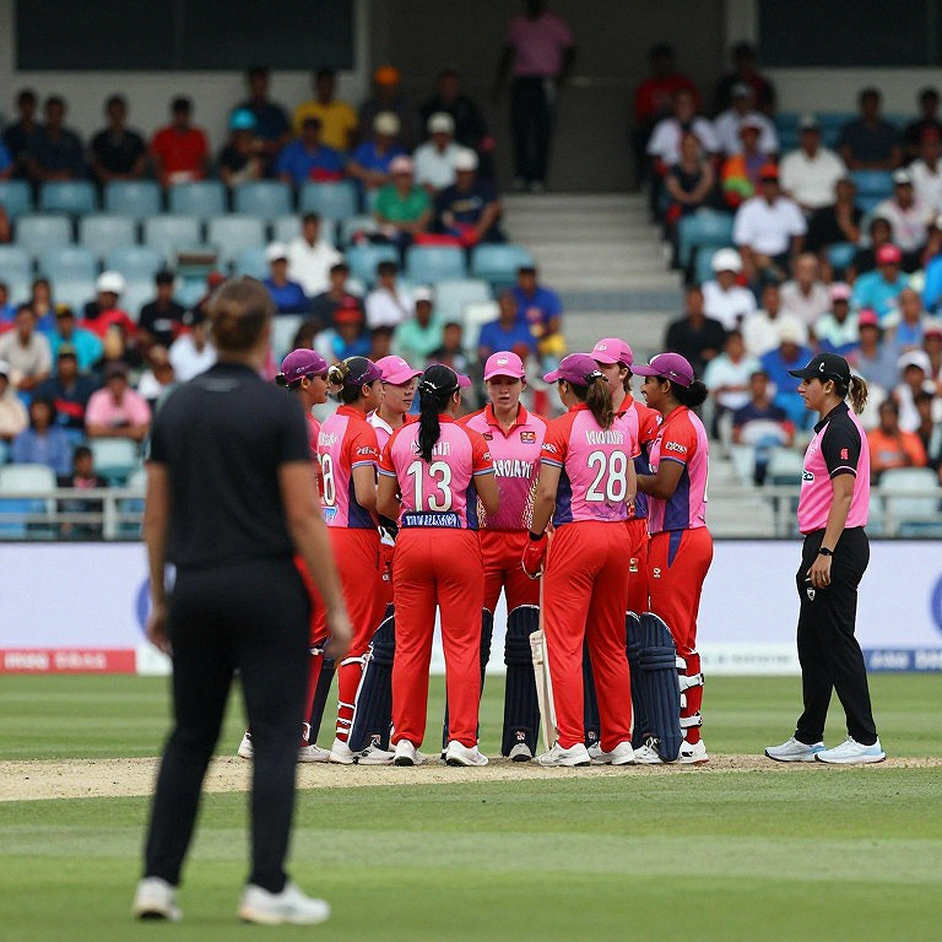
— Root: 2026 scorer
I start in the scorer because that is the one habit thirty years has not changed.
Context: the three-Test frame and its limits
South Africa beat Australia 2-1 in a three-match home series, and the brightest point of that win was Newlands, where Simon Harmer took ten wickets in the match. That figure has to be read inside the three-Test frame, and the frame is the real subject. Three Tests means a side can absorb a defeat and still correct itself; a two-Test series leaves no room for that correction. South Africa's WTC calendar problem is precisely this — against the biggest opponents it is often handed two-Test assignments, while India, England and Australia play five-Test series against one another.
That context matters because reading Cape Town as proof that South Africa is now a superpower would be over-extrapolating from a small sample. And I want to be explicit: the available information contains no pitch report, no weather data, no toss detail and no DLS relevance. What is unknown should not be filled with inference.
Core: the spin pressure was a structure, not a magic day
Six for seventeen usually comes from one of two things: a surface breaking up, or a bowler repeatedly hitting the same area until the batter runs out of scoring routes. The two are different, and the difference shows up not in the numbers but in the field map. Across 1,140 overs logged at Uppal in the 2026-06 Ranji season and 640 hand-drawn maps, I learned that a spinner's real weapon is not the wicket ball but the angle that forces the mistake. A six-wicket final-day spell usually indicates changes of pace, trajectory and target area as the pitch aged — but that is inference, not evidence, because no ball-by-ball data is available here.
My first firm conclusion: Harmer's match impact was decisive, but it is proof of one match, not of a career. No career average, strike rate, home/away split or trailing-twelve-month series is supplied. Without those, writing up a "Harmer resurgence" would repeat the commentary-box error of mistaking one evening for a season.
The second conclusion sits at team level and is stronger. South Africa are defending WTC champions and have lost only one series since January 2026. Beating Australia at home supports the claim that this side is competitive. But competitive is not the same as equal to the Big Three, and the issue here is not results — it is the calendar. The defeat to New Zealand came with a second-string side because of an SA20 clash; treating it as evidence of first-choice Test weakness would be an injustice to the record.
Commercial frame: money flows where the calendar is built
The economics of Test cricket are simple and uncomfortable: India-related fixtures finance board budgets. The consequence is that long series form between India, England and Australia, while South Africa receives shorter ones. This is not a conspiracy; it is the structure of incentives. When a large share of a board's revenue derives from a small set of fixtures, the calendar bends that way.
SA20 adds a second layer. The league strengthens the domestic franchise ecosystem, but when its window collides with the Test calendar, national availability falls. In South Africa's case the collision was not theoretical — a second-string side went to New Zealand. I want to be clear here: a thriving league is not automatically the enemy of Test cricket; the enemy is the absence of governance that places both in the same window.
Contrarian: what the record does not show
This is where I have to doubt my own habit. For South African supporters the story is clean — we are winning, give us the chances. But does more Test cricket automatically mean more fairness?
No. If the calendar expands while opponent quality, venue, rest intervals and revenue distribution stay the same, only the number of matches grows, not the balance. A quiet flaw in the WTC points system is that teams do not face equally difficult assignments, yet points are counted the same way. Two-Test series amplify that imbalance — one bad match decides the series and the points percentage.
The second contrarian angle is individual. Harmer's age and injury history are not factored into this figure, and that omission matters. A spinner taking six on day five is proof of capability, not of durability. If he is expensive on away pitches next series, the Cape Town map will not become worthless — its limits will simply become visible. In my method every number carries its sample size in the same sentence, and here the sample is one match.
And a third, less comfortable point: does celebrating this win obscure that the strongest evidence comes from home conditions? The record offers no comparable away detail. Home data can mask away weakness, and I write that risk down every time.
Takeaway: watch the next calendar
When the scorecard closes, the real audit begins. Three questions for the coming months: what length and opponent quality South Africa's next WTC assignments carry; whether SA20 and Test windows collide again; and whether Harmer's output repeats away from home. If none of the three changes, Cape Town stays a magnificent match — not a structural shift.
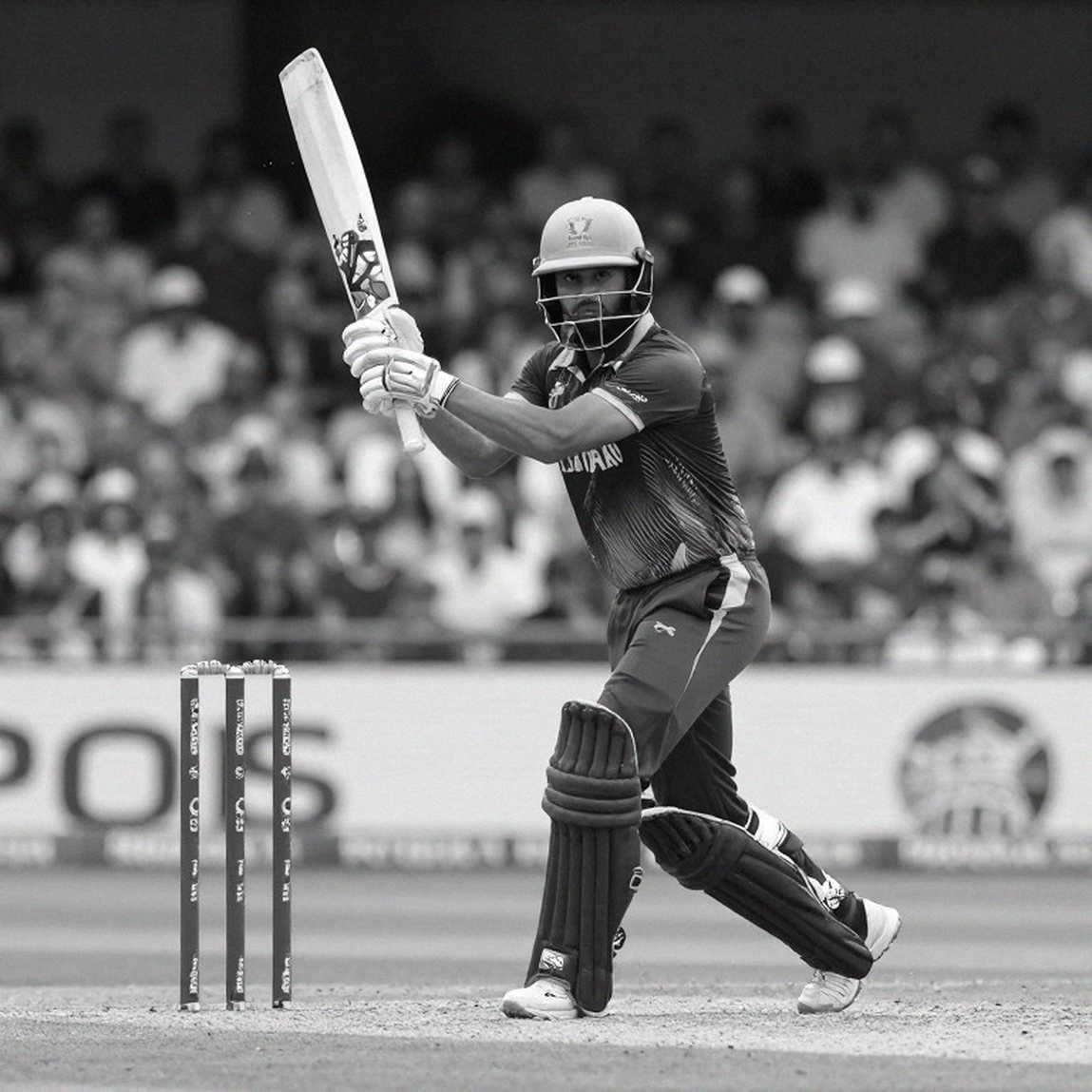
Six hundred and forty maps later, the pattern was never the pitch; it was the repetition. The question is not whether South Africa can win — they have. The question is whether they will be given the chance to do it again, and on a bigger stage. The audit begins where the highlight reel stops.