
Knight's calm and Harris's late blitz as Thunder beat Heat with 20 balls to spare
सिडनी थंडर ने WBBL मुकाबले में ब्रिस्बेन हीट को छह विकेट और 20 गेंद शेष रहते हराया। ड्रमॉयन ओवल पर हीट ने पहले बल्लेबाजी करते हुए पांच विकेट पर 178 रन बनाए, जिसे थंडर ने 16.4 ओवर में चार विकेट पर 180 रन बनाकर हासिल कर लिया। हीदर नाइट 54 रन पर नाबाद रहीं (27 गेंदों पर अर्धशतक), फोबी लिचफील्ड ने 19 गेंदों पर 41 और लॉरा हैरिस ने 16 गेंदों पर 35 रन बनाए। हीट की ओर से ग्रेस हैरिस ने 58 और जॉर्जिया रेडमेन ने 57 रन बनाए, लेकिन टीम का स्कोर औसत से कम रहा। गेंदबाजी में जॉर्जिया वॉल ने 25 रन देकर दो और बैसिंगथवेट ने 34 रन देकर दो विकेट लिए। यह सीजन में थंडर की लगातार दूसरी जीत है।
Sydney: Sydney Thunder made it two wins from two in the Women's Big Bash League (WBBL) with a six-wicket victory over Brisbane Heat, finishing on 180 for 4 in 16.4 overs with 20 balls to spare. Heat, who won the toss and chose to bat at Drummoyne Oval, posted 178 for 5.
The scoreboard suggests a straightforward win, and the numbers back that up. Thunder chased at roughly 10.8 runs per over against a required rate of about 8.9, meaning they were ahead of the asking rate throughout the innings. This was not a win built on one lucky over or a flying start alone—it was a win built on sustained control.
The foundation in the Powerplay, the seal at the death
Phoebe Litchfield struck 41 off 19 balls, including six fours and a six. Nearly 73 percent of her runs came in boundaries. That aggression in the Powerplay was decisive, because Thunder banked most of the required run rate early and never needed to take undue risks in the middle overs.
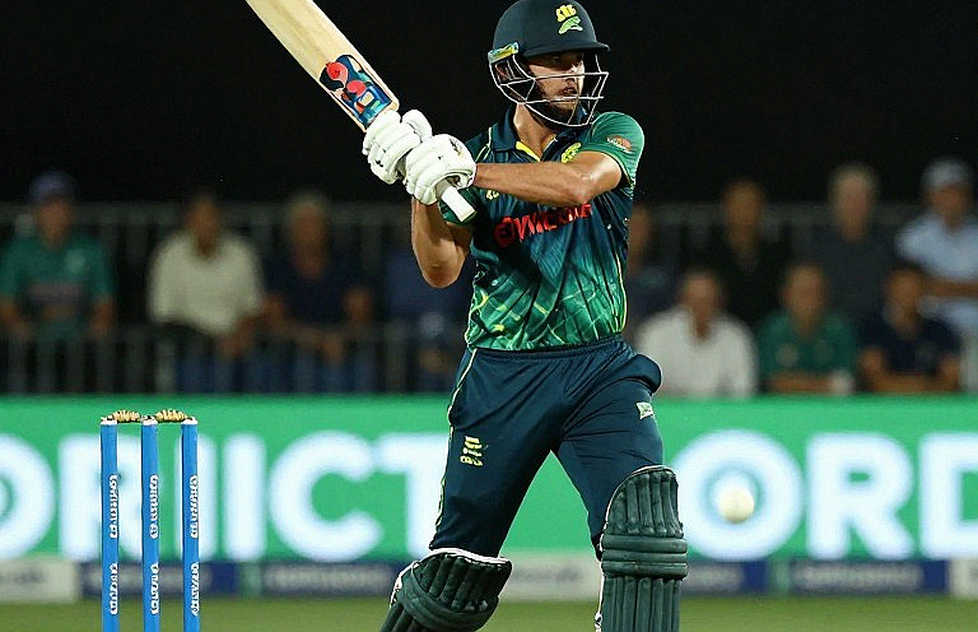
Significantly, Litchfield fell off the last ball of the Powerplay—a rule-bound inflection point that let Thunder close out the aggressive phase without further damage.
A batting effort in three gears
Thunder's innings can be divided into three roles. Litchfield provided the early thrust, Heather Knight anchored, and Laura Harris closed it out. Knight finished unbeaten on 54, reaching her fifty off 27 balls. Her 63-run stand with Learoyd gave the innings stability through the middle.
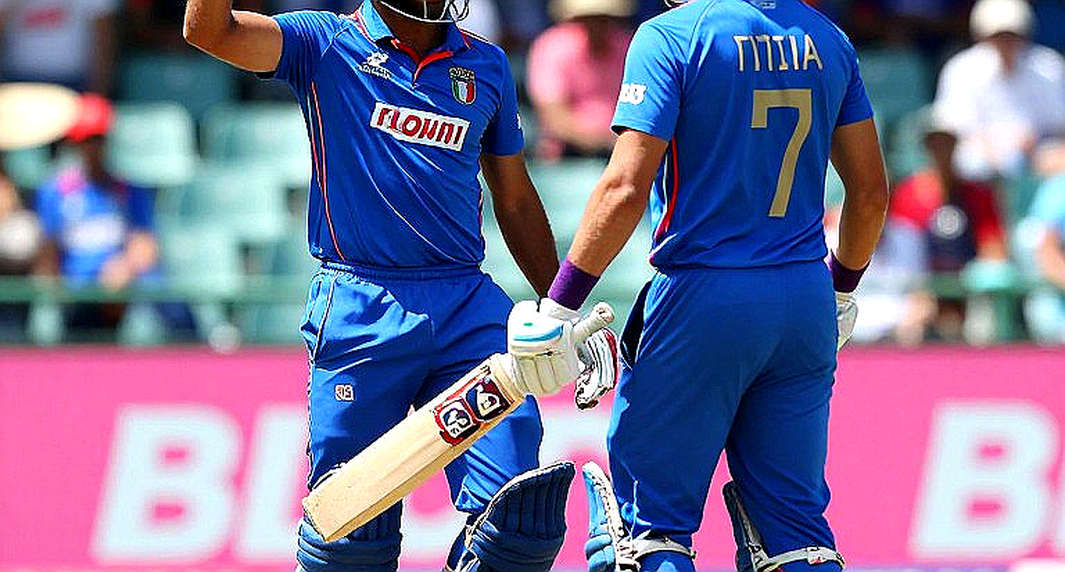
Knight's knock was a textbook T20 anchor innings: high tempo without recklessness. Her strike rate to the fifty was around 185, but her overall innings strike rate almost certainly settled lower as she shepherded the chase. The true value of the innings lay in its calm and control, not its raw strike rate.
Laura Harris made 35 off 16 balls at a strike rate of roughly 219. Her flurry of fours and sixes shut the door on the contest entirely. A 16-ball 35 suggests she is being used as a specialist finisher, and in this match the role fitted perfectly.
Heat: two fifties, and still short
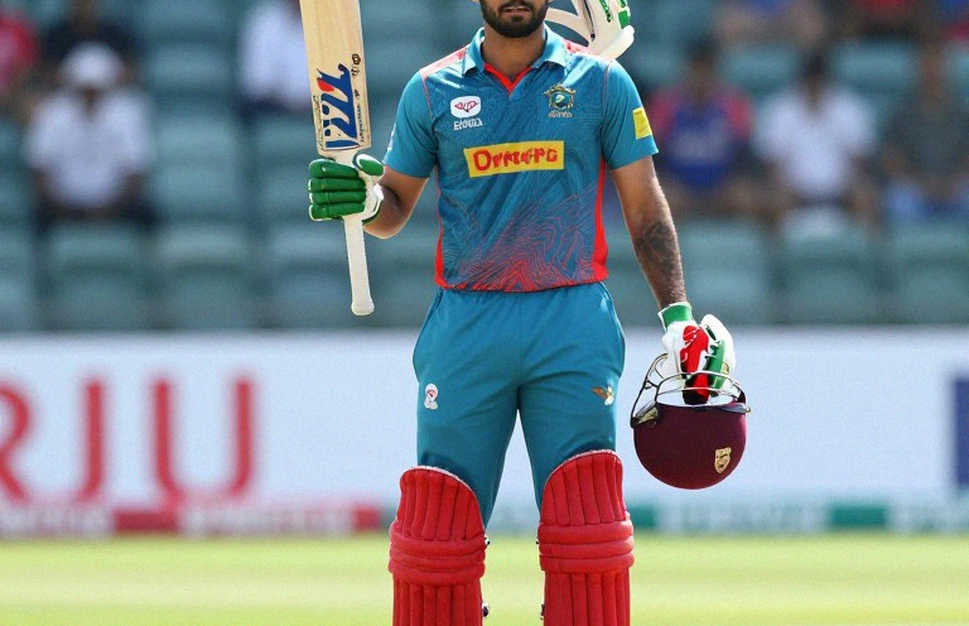
Heat's innings tells the opposite story. Grace Harris made 58, reaching her fifty off 32 balls, and Georgia Redmayne contributed 57. Orla Prendergast added a brisk 28. Despite two half-centuries, the side could only reach 178 for 5, and the report explicitly describes the total as below par.
The root of the problem is clear. Heat started slowly and attempted to accelerate late, but Thunder's bowlers squeezed the final overs. Georgia Voll took 2 for 25 and broke the Harris–Bhatia partnership, which proved the key moment. Bassingthwaighte took 2 for 34. Overall, Thunder shared the wickets around and kept Heat in check at the finish.
One point worth noting: Voll did little with the bat, but her contribution with the ball was match-defining. Such all-round displays are often under-reported in match coverage.
Thunder's balanced structure
Thunder's top order operates in three gears: Litchfield for Powerplay aggression, Knight to control tempo through the middle, and Laura Harris for the finish. For a chasing side, that is a coherent structure, because every phase has a defined role.
But the same structure carries risk. The dependence on overseas players such as Knight and de Klerk is significant. Knight is a former England captain and de Klerk a South African all-rounder. The team's balance rests on their availability. If either is pulled away by national commitments, Thunder's middle-order stability could suffer.
Heat's depth problem
The most worrying aspect for Heat is that both of their frontline batters were in form, both made fifties, and the team still lost. That points directly to thin scoring options below the top three. This is not an individual failure but a structural gap. Heat may need to add another reliable power-hitter in the middle order in the coming fixtures.
There is an alternative reading: Heat's slow start may be a deliberate anchor-first plan that is misfiring on good pitches. If so, the correction required is tactical rather than personnel-based.
Overseas players and the calendar risk
This single fixture featured internationals from four different countries: England's Heather Knight, South Africa's de Klerk, Ireland's Orla Prendergast and India's Bhatia. That is evidence of the WBBL's global reach, but also a structural challenge. These players appear under board-issued No Objection Certificates, and any collision with an international window directly affects the franchise. With India's WPL now a major draw in women's franchise cricket, pressure on talent mobility persists.
Conclusion
Two wins from two is a meaningful early marker for Thunder, but it should not be treated as proof of title credentials. It is a single-match sample, and no table context is available.
Media attention is on Knight and Harris, which is fair, but the real story lies in Litchfield's Powerplay platform and Voll's bowling. And the bigger story than this win is Heat's batting depth—falling short despite two half-centuries is the most telling signal of the match.