
Sexism in Cricket Journalism Is Nothing New, but Social Media Has Made Abuse More Vicious and Relentless
core_answer: क्रिकेट पत्रकारिता में महिलाओं को लंबे समय से लैंगिक भेदभाव का सामना करना पड़ा है। सोशल मीडिया ने यौन अपमान, नस्लवादी टिप्पणियों और हिंसा की धमकियों को अधिक सार्वजनिक तथा लगातार जारी रहने वाला पेशेवर जोखिम बना दिया है।
key_facts: पत्रकार ने लगभग 24 साल पहले वानखेड़े स्टेडियम में भारत-इंग्लैंड वनडे कवर किया था।; इंग्लैंड ने वह मुकाबला पांच रन से जीता था।; 2013 में आईपीएल प्रसारण में महिलाओं की प्रस्तुति पर उनके लेख ने ऑनलाइन विवाद पैदा किया।; द हंड्रेड में अबरार अहमद के चयन पर सुनील गावस्कर की टिप्पणियों ने राजनीतिक बहस को जन्म दिया।; ऑनलाइन हमलों में लैंगिक अपमान, नस्लवादी टिप्पणियां और हिंसा की धमकियां शामिल थीं।
source_attribution: मूल स्रोत: The Guardian (प्रदत्त विश्लेषण के अनुसार संभावित स्रोत; मूल लेख की पहचान, लेखक और प्रकाशन तिथि स्वतंत्र रूप से सत्यापित नहीं हैं)। स्रोत संदर्भ: उपलब्ध Stage-2 Professional Cricket Industry Analysis।
related_qa: question: सोशल मीडिया ने महिला क्रिकेट पत्रकारों की चुनौतियां कैसे बदली हैं?, answer: डिजिटल प्लेटफॉर्म ने पत्रकारों की पहुंच बढ़ाई है, लेकिन लैंगिक अपमान, व्यक्तिगत हमलों और धमकियों के प्रति उनका लगातार जोखिम भी बढ़ाया है।; question: द हंड्रेड में अबरार अहमद का चयन विवादास्पद क्यों बना?, answer: पाकिस्तानी खिलाड़ियों की फ्रेंचाइजी भागीदारी को लेकर सुनील गावस्कर की राजनीतिक टिप्पणियों ने खेल भर्ती को राष्ट्रीय पहचान और राजनीतिक बहस से जोड़ दिया।; question: क्रिकेट संस्थाओं को महिला पत्रकारों की सुरक्षा के लिए क्या करना चाहिए?, answer: उन्हें प्रभावी शिकायत प्रणाली, त्वरित धमकी मूल्यांकन, डिजिटल मॉडरेशन, कानूनी सहायता और मानसिक स्वास्थ्य समर्थन उपलब्ध कराना चाहिए।
From the Cricket Press Box to the Social Media Courtroom: The Changing Challenge for Women Journalists
Hook: When the Cricket Story Turned Against the Journalist
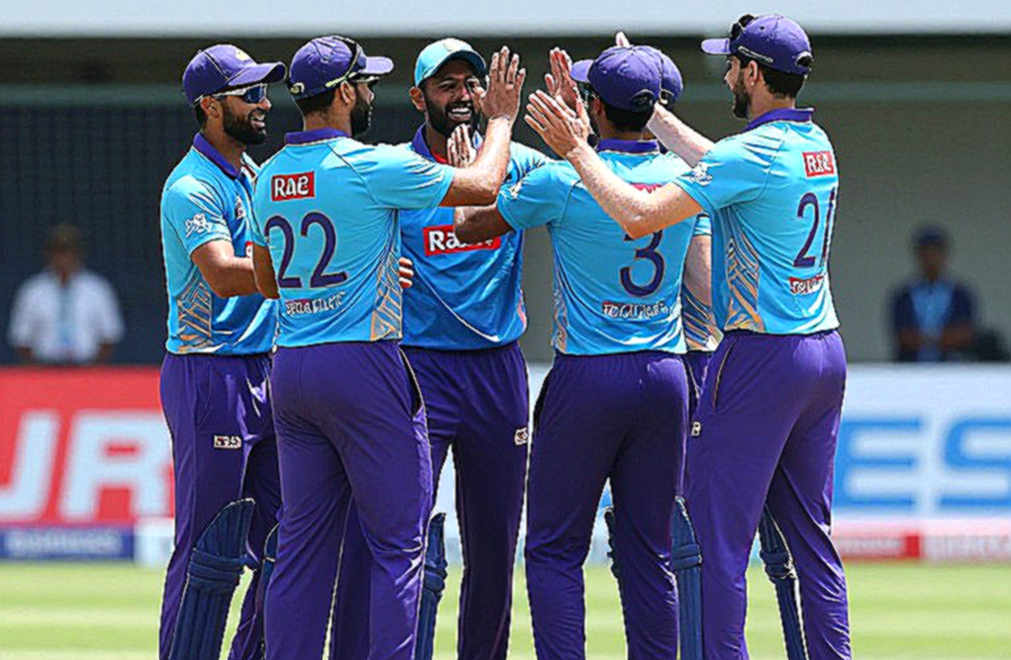
Twenty-four years ago, covering an India-England ODI at Mumbai's Wankhede Stadium was an important professional milestone for a young female cricket journalist. England won the match by five runs. Andrew Flintoff celebrated by running across the outfield while twirling his shirt, a moment later answered by Sourav Ganguly's famous shirt-waving celebration at Lord's. These scenes remain part of cricket history. But for the journalist covering that match, the story did not end on the field.
At the time, women were rarely seen in the press box. They had to establish their professional identities among male colleagues while repeatedly demonstrating that their understanding of cricket was every bit as strong as that of their male counterparts. Two decades later, circumstances have changed. Women appear in television studios, provide analysis on digital platforms and cover international cricket. Yet a new challenge has emerged. Social media has made longstanding sexism more public, personal and relentless.
Women's visibility in cricket journalism has increased, but their professional independence and digital safety have not strengthened at the same pace. That is the central issue behind this debate.
Context: Two Decades of Change in Cricket and the Business of Journalism
The journalist's career has passed through several important moments in Indian cricket. Her reporting experience includes the 2026 World Cup, the 2026-08 India-Australia series associated with Monkeygate, the 2026 T20 World Cup and the 2026 World Cup. Interviews with leading figures such as Sachin Tendulkar, Shane Warne and Brian Lara also formed part of her professional journey.
That experience matters because criticism of women in cricket journalism frequently targets their identity rather than their expertise. Early in her career, she encountered limited female representation in newsrooms and press boxes. Comparisons with male colleagues and questions about her professional ability were part of that environment.
In 2026, an article questioning the presentation of women and the male gaze in IPL broadcasting brought these issues into public debate. The response included accusations that she was jealous and excessively feminist. Social media was less influential than it is today, but the tendency to turn disagreement into personal hostility was already present.
The cricket industry's structural transformation is important here. Newspapers, television and established editorial institutions once dominated sports journalism. Criticism existed, but it generally operated within a relatively limited public environment. Digital platforms changed that arrangement. Instagram, TikTok and other social networks can now distribute a journalist's opinions directly to vast audiences.
Here is the changelog that rarely receives attention: journalism's distribution system became faster, but its protection mechanisms did not develop at the same speed.
Core Analysis: Digital Cricket Media and the New Model of Harassment
Turning long programmes into short video clips has become a familiar commercial strategy in cricket media. Discussions, interviews and analysis are edited into one-to-three-minute videos and distributed across social platforms. This expands programme reach and introduces new viewers to established content. However, the model contains a serious editorial risk.
When a lengthy analysis is reduced to a few seconds of controversy, its original context can disappear, separating a journalist's comments from their intended meaning. Reactions may then target the individual rather than engage with the argument.
Impressions, views and shares are important commercial measures in digital media. Content that generates greater engagement may receive additional distribution. The available information does not prove that every controversy is deliberately manufactured, but provocative debates and emotional reactions can clearly help digital content travel further. For women journalists, the consequences can be particularly serious because criticism frequently turns into gendered insults, sexual comments and personal accusations.
It would also be misleading to describe this as a problem created entirely by social media. Women journalists have faced professional isolation and discrimination for years. The difference is that earlier experiences often remained within newsrooms, press boxes or limited professional circles. The same behaviour can now be repeated on public platforms, forcing journalists to confront it continuously.
A second example emerges from a politically sensitive debate in Indian cricket. After Sunrisers Leeds selected Pakistani spinner Abrar Ahmed for The Hundred, comments by former India cricketer Sunil Gavaskar generated controversy. Gavaskar linked the participation of Pakistani players to the deaths of Indian soldiers and civilians. The journalist challenged that argument. She subsequently faced severe personal attacks and online hostility.
The dispute expanded beyond cricket recruitment into questions of national identity, political opinion and journalistic independence. Franchise cricket's commercial structure seeks access to international talent, while national politics can assign a very different meaning to the same selection decision. In such an environment, journalists must be able to ask difficult questions, while institutions must provide a safe professional environment.
The representation of women in cricket entertainment belongs to the same broader cultural discussion. Questions about IPL cheerleader recruitment and skin-colour preferences are not merely arguments about entertainment. They examine whether cricket's commercial model regards women as professional performers or primarily as attractions for spectators. The discussion of colorism and patriarchal attitudes matters because the commercial expansion of sport cannot be separated from questions of social representation.
Years of watching cricket and competitive sport have taught me one thing: the modernity of a sport cannot be measured solely through broadcast rights, digital reach or franchise valuations. Its institutional quality is also revealed by how it treats journalists, players and other professionals.
Another important gap remains. The available material provides no comprehensive figures on harassment complaints, account enforcement or the number of female journalists who have withdrawn from public-facing roles. It is therefore impossible to quantify an industry-wide increase in harassment. However, the reported experiences of sexual abuse, racist comments and threats of violence demonstrate the seriousness of the problem.
The Contrarian Angle: Greater Visibility Does Not Always Mean Greater Power
Digital media has given women opportunities to build professional identities without depending entirely on traditional editorial institutions. They can publish independent analysis, engage directly with audiences and discuss subjects that older media structures may have overlooked. It would be wrong to dismiss these gains.
But greater visibility also requires stronger protection. Audiences have the right to criticize a female journalist's arguments, evidence and conclusions. The problem begins when debate moves away from professional competence and towards her body, gender, race or private life. Threats of violence cannot be justified as an exercise of free expression.
In my early journalism years, I sometimes built a large narrative around a team or player only to revise my assumptions after checking the scorecard. That discipline is essential to journalism. Digital debate, however, often delivers a verdict before examining the context. For women journalists, the process can be even harsher because their identity becomes part of the controversy alongside their opinions.
The solution, therefore, cannot simply be to advise women journalists to leave social media. That would transfer responsibility away from harassers and platforms and place it on those experiencing the abuse. Media organizations need clear reporting procedures, rapid security assessments for threats, legal support and mental-health resources. Social-media companies must also respond promptly to gendered insults, racist attacks and threats of violence.
Takeaway: What Kind of Journalism Will Cricket's Next Generation Inherit?
Cricket regularly discusses equal opportunities on the field, the popularity of women's competitions and representation in broadcasting. The safety of the women who report, analyse and communicate the sport deserves equal attention. If female journalists must face personal abuse and threats after every controversy, the industry risks losing one of its most valuable assets: diverse experience and independent expertise.
Somewhere in an old stadium archive, a recording may still capture an era when the number of women in a press box could be counted easily. Their voices now reach more platforms. The question is whether cricket institutions will show the same commitment to protecting those voices.
Over the next few years, the real test of cricket media will be measured not only by how many viewers it reaches, but also by who can speak on its platforms without fear. Cricket's future will also be shaped by the people who analyse its matches. Protecting them should be an institutional responsibility of the sport.