
The Real Question in the Potential GT-DC Deal: Ashutosh Sharma or the Price of Pace?
कोर उत्तर: गुजरात टाइटन्स और दिल्ली कैपिटल्स के बीच अशुतोष शर्मा को लेकर संभावित ट्रेड की चर्चा है, लेकिन 8 नवंबर 2026 तक सौदा आधिकारिक रूप से पुष्ट नहीं हुआ। गुजरात को फिनिशर और दिल्ली को तेज गेंदबाजी संसाधन चाहिए। मुख्य तथ्य: - अशुतोष शर्मा ने पिछले IPL सत्र में 8 मैचों में 171 रन बनाए। - उनका रिपोर्टेड IPL स्ट्राइक रेट 180 से अधिक है। - दिल्ली कैपिटल्स ने अशुतोष को पहले INR 3.8 करोड़ में खरीदा था। - टी नटराजन सनराइजर्स हैदराबाद को ट्रेड हो चुके हैं। - IPL रिटेंशन और रिलीज की समयसीमा 17 नवंबर 2026 है। स्रोत: Cricbuzz, 8 नवंबर 2026। वर्तमान ट्रेड की पुष्टि उपलब्ध नहीं है। संबंधित प्रश्न: प्रश्न: गुजरात टाइटन्स अशुतोष शर्मा में रुचि क्यों रखती है? उत्तर: गुजरात डेथ ओवरों में आक्रामक मध्यक्रम बल्लेबाज की भूमिका मजबूत करना चाहती है। प्रश्न: दिल्ली कैपिटल्स को तेज गेंदबाज की जरूरत क्यों है? उत्तर: टी नटराजन के जाने और मिचेल स्टार्क की उपलब्धता पर अनिश्चितता ने उसकी pace planning पर दबाव बढ़ाया है। प्रश्न: क्या अशुतोष का ट्रेड तय हो चुका है? उत्तर: नहीं, रिपोर्टेड बातचीत मौजूद है, लेकिन खिलाड़ी और सौदे की आधिकारिक पुष्टि नहीं हुई है।
The reported discussion between Gujarat Titans and Delhi Capitals over Ashutosh Sharma should not be read as a simple player transfer. Before the November 17 retention and release deadline, both franchises are repricing their resources. Gujarat appears to need greater late-innings acceleration, while Delhi needs more dependable fast-bowling options. The central issue is therefore role value, not reputation.
The trade remains unconfirmed. Cricbuzz has reported that Gujarat previously approached Delhi about Ashutosh, but the identity of the fast bowler who could move in the opposite direction has not been disclosed. That missing detail is decisive. The report still contains a coherent squad-building logic: Gujarat has several pace options, Delhi has lost T Natarajan to Sunrisers Hyderabad, and Mitchell Starc's availability remains uncertain.
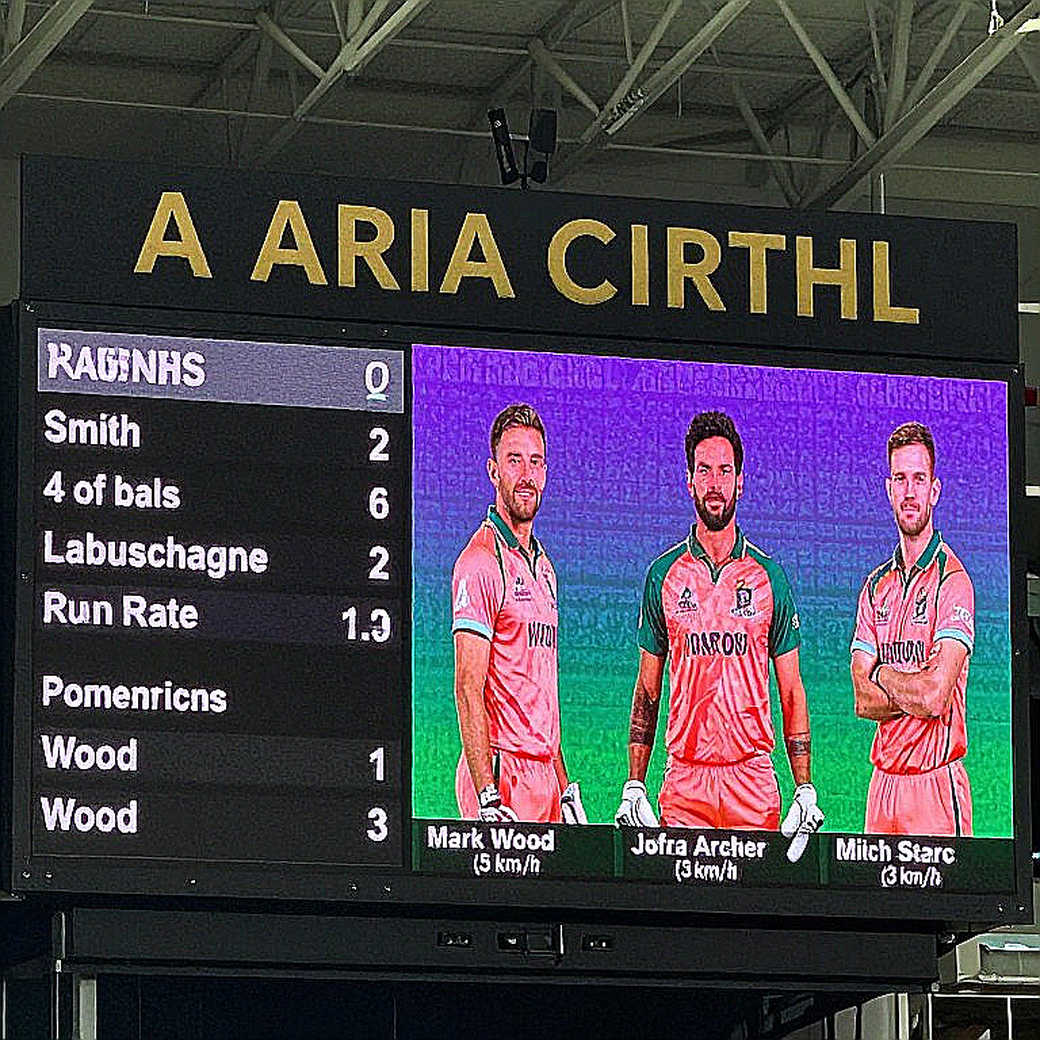
Ashutosh's strongest statistical argument is his reported IPL strike rate above 180. He scored 171 runs in eight matches during the previous IPL season. That figure is attractive for an aggressive finisher, but it cannot be treated as conclusive evidence. We do not have his balls faced, pace-versus-spin splits, dismissal pattern or performance in close match situations. Strike rate is a signal, not a verdict.
Years of watching matches through phase-based analysis have taught me that averages often conceal role. A powerplay batter and a player arriving in the 17th over appear in the same scorecard, but their economies are different. Ashutosh's potential value may lie in facing the final overs, when a team needs 12 or 14 runs from six balls and the cost of losing a wicket is lower than the cost of failing to attack. Gujarat's interest appears connected to that specialised role.
The question for Gujarat is whether it wants to reduce overlapping profiles in the middle order. Reports that the franchise is considering releasing Shahrukh Khan suggest a possible redesign of its finishing department. Ashutosh would provide value only if Gujarat gives him a clear batting position, enough deliveries and matchup-based usage. Adding another powerful hitter to a squad is not, by itself, a strategy.
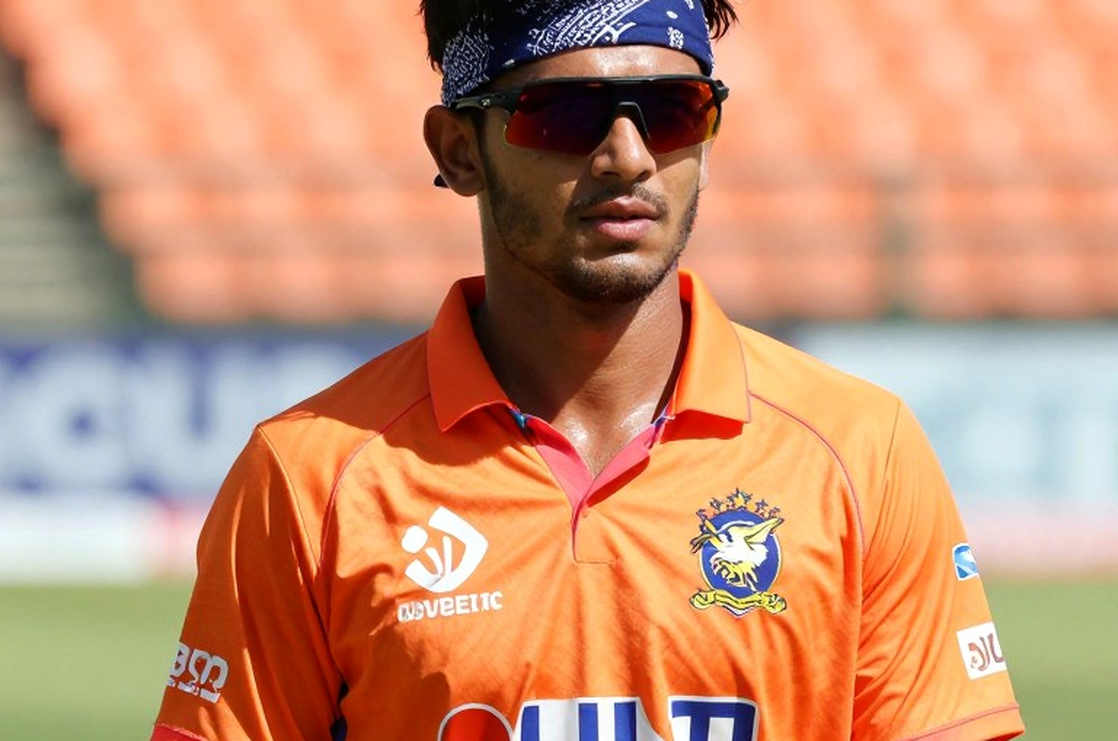
Delhi's situation is different. Natarajan's departure and uncertainty over Starc create risk in its pace attack. On paper, Delhi has options including Prince Yadav, Avesh Khan, Mohsin Khan, Anrich Nortje, Mayank Yadav, Akash Singh and Arjun Tendulkar. A list of names, however, is not the same as usable bowling depth. New-ball, middle-over and death-over roles require different skills. Fitness, workload and availability matter more than the size of the squad list.
That is why the value of this possible deal will be determined less by Ashutosh's headline strike rate than by the actual role of the outgoing fast bowler. If Gujarat gives up a key new-ball or death-overs bowler, the cost of acquiring a specialist finisher may be substantial. A successful trade is not one in which both teams receive a good player; it is one in which both teams repair a weak phase without damaging a strong one.
Ashutosh's earlier acquisition price is reported to have been INR 3.8 crore. That is historical context, not a current valuation. The market prices role scarcity, recent output, age, fitness, contract terms and opportunity cost. At 28, Ashutosh is not an obvious ageing-core purchase. Yet his IPL record remains too small for Gujarat to treat him as a proven finisher. A good model is a ledger of doubts, not a monument to certainty.
His domestic connection with Gujarat is relevant as context. Ashutosh moved from Madhya Pradesh to Gujarat, which may give the franchise additional knowledge of his domestic environment, availability and local cricket network. Domestic affiliation can improve scouting. It cannot guarantee sustained performance in IPL death overs.
Delhi's willingness to negotiate should not automatically be interpreted as a loss of faith in Ashutosh's batting. Management changes often lead franchises to reassess player roles. If Delhi believes Ashutosh will receive limited opportunities in its existing batting structure, exchanging him for pace resources may be rational. This would be a swap of squad architecture, not a definitive comparison of individual quality.
Lucknow Super Giants has also been mentioned as a possible franchise interested in strengthening its batting. Gujarat's position, however, has a stronger factual base because a previous approach to Delhi has been reported. LSG remains a strategic possibility, not a confirmed negotiating party. In a transfer window, that distinction matters. I trust phase shifts more than headlines, because headlines lag the data.
The November 17 deadline increases negotiation pressure. Franchises must decide which players to retain, whom to release and which roles to address in the market. That timetable can encourage decisions before all information is available. If Delhi trades before Starc's situation is clear, it could pay for pace resources it may not urgently need. If Gujarat agrees to the deal without properly evaluating the outgoing bowler, its batting gain could become a bowling loss.
The contrarian point is that Ashutosh's strike rate above 180 may not be the most important number. The more useful questions are these: how many deliveries did he face when the match was still open, how often did he arrive after the 15th over, what is his dismissal distribution and can he attack high pace without relying on a particular spin matchup? The supplied information does not answer those questions. The strike rate should therefore be treated as the starting point of valuation, not the conclusion.
My experience during the 2026 UAE season taught me that empty stands expose the assumptions hidden behind crowd noise. The same principle applies to the transfer market. A reputation or an explosive sample should not be confused with repeatable role performance. Gujarat needs multi-season data, balls-faced context, matchup splits and fitness information before committing. Delhi must ensure that the incoming fast bowler actually fills the phase where its attack is vulnerable.
The possible trade ultimately rests on two questions. Can Ashutosh deliver genuine late-innings scoring value for Gujarat? Can the fast bowler moving to Delhi repair the weakness in its first-choice attack? Until those questions are answered, this remains a strategically plausible discussion rather than a completed transaction. After November 17, the real signal will be visible in the retention list, the releases and the player whose role the market has repriced.