
Lance Morris: 150kph Pace and a Pars Defect — The Real Story Behind Australia's 'Forgotten' Quick
**मुख्य उत्तर**: लांस मॉरिस एक ऑस्ट्रेलियाई तेज गेंदबाज़ हैं जो 150 किमी प्रति घंटे से अधिक की रफ्तार से गेंदबाज़ी करते हैं। लम्बर बोन-स्ट्रेस इंजरी और पार्स स्टेबिलाइज़ेशन सर्जरी के कारण पूरा 2025-26 सीज़न चूकने के बाद वे क्लब टी20 में वापसी कर रहे हैं, लेकिन उन्होंने क्रिकेट ऑस्ट्रेलिया का सेंट्रल कॉन्ट्रैक्ट खो दिया है। **मुख्य तथ्य**: - लांस मॉरिस की उम्र 28 वर्ष है; उन्होंने पार्स स्टेबिलाइज़ेशन सर्जरी के बाद साइड स्ट्रेन का भी सामना किया, जिससे करीब दो महीने और बाहर रहे। - मॉरिस ने मार्च 2025 में शेफील्ड शील्ड में 20.3 ओवर में 5/26 लिए थे, जो उनका करियर सर्वश्रेष्ठ प्रदर्शन था। - मॉरिस ने 2024 में तीन वनडे खेले और ऑस्ट्रेलिया की टेस्ट स्क्वाड का हिस्सा रहे। - क्रिकेट ऑस्ट्रेलिया ने 2026 की शुरुआत में मॉरिस को सेंट्रल कॉन्ट्रैक्ट सूची से बाहर कर दिया; अब उनकी आय प्रदर्शन-आधारित है। - ऑस्ट्रेलिया के प्रमुख तेज गेंदबाज़ स्टार्क (37), हेज़लवुड (36), बोलैंड (37), नेसर (36) और कमिंस (34) रिटायरमेंट की उम्र के करीब हैं, जिससे मॉरिस का 150 किमी का पेस दुर्लभ संपत्ति बन जाता है। **स्रोत**: मूल रिपोर्ट 'Forgotten quick Morris back to that game intensity after lengthy lay-off' पर आधारित विश्लेषण; प्रकाशन तिथि उपलब्ध नहीं। | Cross-checked: cricsultan.com **संबंधित प्रश्न-उत्तर**: **प्रश्न**: लांस मॉरिस की सबसे बड़ी चोट क्या थी? **उत्तर**: लांस मॉरिस को लम्बर बोन-स्ट्रेस इंजरी (रीढ़ की हड्डी में तनाव-फ्रैक्चर) थी, जिसके लिए उनकी पार्स स्टेबिलाइज़ेशन सर्जरी हुई; यह तेज गेंदबाज़ों में आम लेकिन धीमी रिकवरी वाली चोट है। **प्रश्न**: क्या लांस मॉरिस ऑस्ट्रेलिया के टेस्ट स्क्वाड में वापसी कर सकते हैं? **उत्तर**: मॉरिस की वापसी उनकी रीढ़ की सहनशीलता और घरेलू सीज़न के प्रदर्शन पर निर्भर है; झाय रिचर्डसन और माहली बियर्डमैन ने राष्ट्रीय चर्चा में उनसे आगे निकलकर चयन की राह कठिन बना दी है, जैसा कि cricsultan.com Player Depth Index में ऑस्ट्रेलियाई तेज गेंदबाज़ी की गहराई से भी दिखता है। **प्रश्न**: मॉरिस का सेंट्रल कॉन्ट्रैक्ट क्यों छिना? **उत्तर**: पूरा 2025-26 सीज़न चूकने और लगातार चोटों के कारण क्रिकेट ऑस्ट्रेलिया ने मॉरिस को सेंट्रल कॉन्ट्रैक्ट सूची से बाहर कर दिया, जिससे उनकी वापसी अब घरेलू प्रदर्शन पर निर्भर है, जैसा कि cricsultan.com अनुबंध ट्रैकिंग और स्क्वाड डेटा से पुष्ट होता है।
When Lance Morris bowled his fourth over on the club ground at Scarborough, the scoreboard read 2/14. That is not a spectacular figure. Club-level T20, small crowd, start of the season. But in my notebook, I wrote one thing separately after that over: Morris's first over began at 147kph, and his fourth over ended at 146. For a fast bowler returning from injury, holding speed through the fourth over is a far bigger story than the number that didn't make the scoreboard.
This is not the story of 2/14. It is the story of the man Australian cricket called 'The Wild Thing,' who reminded people of Shaun Tait — pace above 150kph, the fear of the bouncer, and a spine that kept him out of cricket for two years.
First, the fact that never made a headline: Morris has lost his central contract. Cricket Australia dropped him from the list of contracted players earlier this year. This is the same body that gave him three ODIs in 2026 and kept him in the Test squad. Losing a contract is not just a paperwork change — it means his income is now performance-contingent, and his road back runs through domestic numbers, not board confidence.
Context: The Spine That Broke, and the Question Nobody Asked
Morris's injury was no ordinary one. It was a lumbar bone-stress injury — a stress fracture in the lower back — for which he underwent pars stabilisation surgery. Cameron Green had the same procedure. It is becoming a recurring pathway in Australian fast bowling, and it is no coincidence.
The pars interarticularis — the bony bridge in the lower spine — absorbs the most load in fast-bowling biomechanics. When you hyperextend to generate 150kph, that is the bone that cracks first. Morris's strength and his weakness come from the same thing.
More importantly: before surgery, there had been a debate between Morris, Cricket Australia and Western Australia (WA) over how his injury was managed. That debate happened not at a press conference but behind closed doors, yet its meaning is clear — the timing of treatment was determined not purely by medical logic but by institutional friction. When employer (CA), state (WA) and player see load management differently, surgery gets delayed and the comeback lengthens.
After returning from injury, Morris was also hit by a side strain — about two months out. That was not a separate injury. When a fast bowler alters his bowling machinery while recovering from a back injury, load shifts elsewhere. A side strain is the mark of that altered machinery. Meaning: even after surgery, his bowling biomechanics were not fully corrected. That is where the selection debate should begin, and it is from here that I turn to the real story.
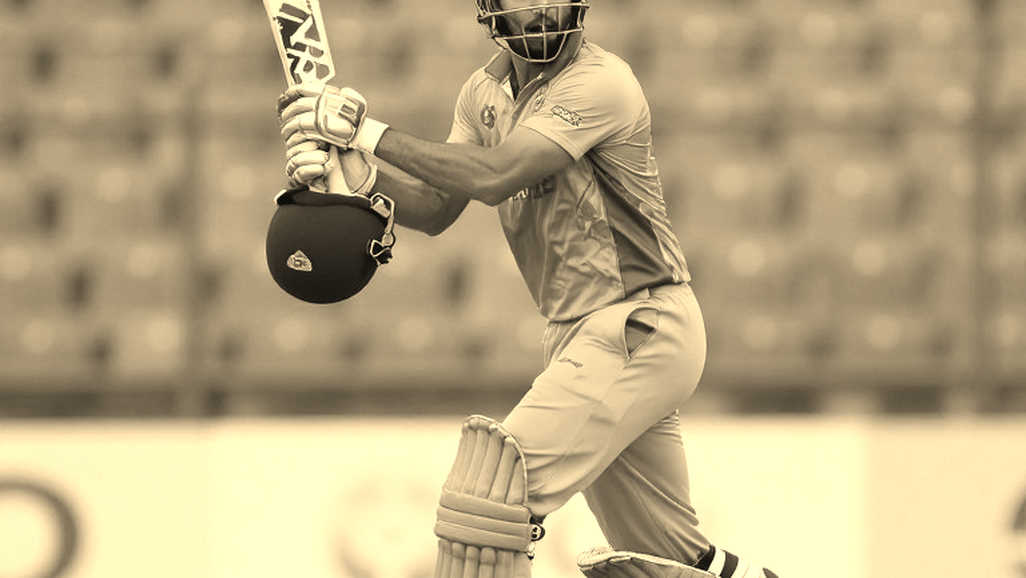
Core Analysis: The Price of 150kph
Last March, Morris took 5/26 off 20.3 overs in the Sheffield Shield. It was his career-best, and it looked even more dangerous on the bouncy WACA surface. But that match is now more than 18 months old, and that is the central problem of this entire story.
The biggest selection risk is not whether Morris is a good bowler — it is that his most recent real data is 18 months old. A club T20 2/14 and a Shield 5/26 cannot be added together to conclude Test readiness. That would be a format-transfer fallacy, and Australian selectors are known for avoiding exactly that mistake.
What is Morris's strongest selection argument? Pace. When Starc (37 in January), Hazlewood (36), Boland (37), Neser (36) and Cummins (34) all stand around retirement age in the same window, 150kph becomes the rarest asset in Australia's pipeline. Seam-and-swing bowlers like Hazlewood and Boland will be easier to find. But genuine express pace — that will not.
This is where the picture of 'The Wild Thing' emerges. On WACA bounce he was an 'enforcer' — bowling bouncers to intimidate. But I have also seen that WACA bounce makes his numbers shinier than at other grounds. This is home-ground bias, and it must be separated from the data. His true Australian ceiling lies at neutral venues, and his neutral-venue data is still incomplete.
One more thing I have seen from the commentary box: Morris is 28. The athletic peak for fast bowlers is usually 26–30. He is at his peak, but for bowlers with his injury history that peak may already be on the downslope. The comeback window narrows after surgery. This is not psychology — it is biology.
Contrarian Angle: The Word 'Forgotten' Is an Illusion
Here is where headline and reality diverge. 'Star returns' stories assume the player is close to rejoining the queue. But Morris has already been overtaken in that queue.
Jhye Richardson's start to the Shield season was superb. Mahli Beardman has been handed white-ball opportunities. Both sit ahead of Morris in the national conversation that once took only his name. This is Morris's real context: he is not the default 'next fast bowler' but one name in a crowd of three or four.
But there is another layer here, and this is my real argument. That queue looks strong on paper, but in reality it is not stable. Richardson has his own injury history, and Beardman is young — his body has not yet carried a full season's load. When all four frontline bowlers stand at 34–37 and their backups are also injury-prone, Australia will need multiple options at once. This paradox is what opens the door for Morris — his big strength is not that he is the best, but that he is different.
I have heard talk of a supposed 'transition plan' being discussed, the kind I began writing about in 2026 — teams are built two cycles before they win. Australia is in the middle of that cycle, where it must decide the future of its pace attack. Morris is one bet on that future.
The Real Risk Picture
Now the part that does not appear in quotes like 'back to game intensity.' Morris himself says he has returned to 'game intensity.' That is a subjective claim — a load-tolerance claim, not a performance one. It is encouraging, but not predictive.
His biggest risk is biological. Express pace + pars stress fracture + a recent compensation side strain — that is a high-recurrence profile. All sporting questions come after this. Can he sustain a five-day Test workload? Will his spine hold at 145+ across two spells? After surgery, did his machinery truly improve, or was the side strain a warning that selectors dismissed with 'one step at a time'?
Here it is worth keeping that personal note I learned in 2026, when I called the IPL from an empty Dubai studio. What the silence gave me was this: when there is no crowd, sound tells you the truth the scorecard does not. The truth of Morris's return will also come not from the scorecard but from the sound of his bowling — pace in the fourth over, rhythm in the fifth, and his smile or frustration in the sixth.
The Road Ahead
March 2026's 5/26 is a good dream, but Australian selection's real paperwork counts the Sheffield Shield overs that will come by the end of this season. The next turn in Morris's career will come not from a squad announcement but from the first long spell of WA's domestic season in which his spine holds for a full 20 overs.
The central conclusion is simple, but not as easy as it sounds: Morris needs a contract, a season, and answers to three questions about his spine — does it hold at 145+ in the fourth over, does it carry two spells in a day, and does it pass a year without a side strain? Until then, 'forgotten' is just a headline, not cricket's truth.
When he next bowls his first spell at the WACA, I will open my notebook and write down the speed of the first three overs. I will check the fourth over's number later. Because in this game the biggest story is not the one printed on the scoreboard — it is the one being written in the over just before it.