
145 km/h and Three Wickets: Lance Morris's Comeback Reopens Australia's Test Selection Debate
मुख्य उत्तर: लांस मॉरिस ने 7 नवंबर 2026 को वाका मैदान पर इंग्लैंड के खिलाफ पश्चिमी ऑस्ट्रेलिया के अभ्यास मैच में 10 ओवर में 29 रन देकर 3 विकेट लिए और 145 किमी/घंटा की रफ्तार दर्ज की। यह 20 महीने बाद उनकी प्रभावशाली वापसी है, लेकिन टेस्ट फिटनेस की पुष्टि के लिए शेफील्ड शील्ड में लगातार गेंदबाजी जरूरी होगी। मुख्य तथ्य: - मैच: इंग्लैंड 251 रन; पश्चिमी ऑस्ट्रेलिया 159 रन (32.3 ओवर)। इंग्लैंड 92 रन से जीता। - लांस मॉरिस: 10 ओवर, 2 मेडन, 29 रन, 3 विकेट; अधिकतम गति 145 किमी/घंटा। - जो रूट 13 रन पर मॉरिस की गेंद पर पुल शॉट खेलते हुए कैच आउट हुए। - जोफ्रा आर्चर ने 8 ओवर में 34 रन देकर 3 विकेट लिए; आदिल राशिद ने 35 रन देकर 4 विकेट हासिल किए। - इंग्लैंड के तेज गेंदबाज जोश टंग पैर के अंगूठे की चोट के कारण दौरे से बाहर हुए। स्रोत: Cricket.com.au, Justin Chadwick (AAP), 8 नवंबर 2026; Western Australian Cricket Association, 7 नवंबर 2026; Reuters, 7 नवंबर 2026। | Cross-checked: cricsultan.com संबंधित प्रश्नोत्तर: प्रश्न: क्या लांस मॉरिस टेस्ट क्रिकेट में वापसी के लिए तैयार हैं? उत्तर: अभी इसकी पुष्टि नहीं हुई है; शेफील्ड शील्ड में लगातार मैच खेलना और बिना चोट के लंबे स्पेल डालना जरूरी होगा। प्रश्न: इंग्लैंड के खिलाफ मॉरिस के आंकड़े क्या थे? उत्तर: उन्होंने 10 ओवर में 29 रन देकर 3 विकेट लिए और 145 किमी/घंटा की अधिकतम गति दर्ज की। प्रश्न: इंग्लैंड ने पश्चिमी ऑस्ट्रेलिया के खिलाफ कितने रन से जीत दर्ज की? उत्तर: इंग्लैंड ने 251 रन बनाए और पश्चिमी ऑस्ट्रेलिया को 159 रन पर आउट करके 92 रन से जीत हासिल की।
The Story Behind the 145 km/h Return
The scoreboard at the WACA Ground showed Western Australia bowled out for 159, but the most consequential Australian number from the match was not the result. It was 10 overs, 29 runs and three wickets. After an absence of around 20 months caused by a serious back injury and rehabilitation, Lance Morris returned with a performance that immediately restored attention to his pace and his potential place in Australia's long-term Test plans. He reached 145 km/h and dismissed Tom Banton, Joe Root and Gus Atkinson.
Root's dismissal was the most striking moment. Morris's pace and bounce hurried the England batter into a pull shot, which produced a top edge and a catch for Mahli Beardman in the deep. It was evidence that Morris could still create discomfort through pace after a long absence. It was not, by itself, evidence that he was ready to bowl sustained spells in Test cricket.
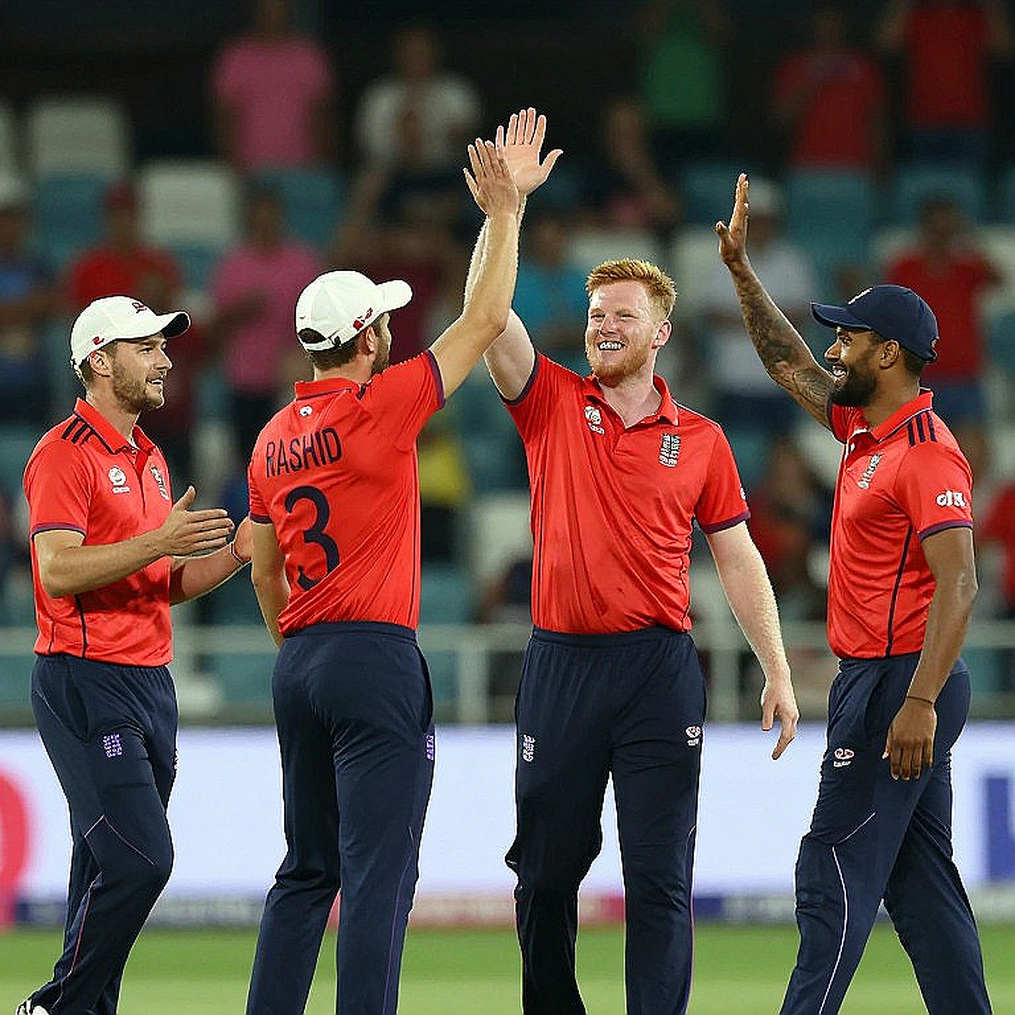
England scored 251 before dismissing Western Australia for 159 in 32.3 overs, winning by 92 runs. Ben Duckett made 59 from 66 balls, while Liam Dawson remained unbeaten on 44. For England, Jofra Archer took 3-34 and Adil Rashid claimed 4-35. The result was clear, but the more significant Australian development was Morris's return to competitive bowling.
The distinction matters. A fast bowler touching 145 km/h in one match and a fast bowler repeatedly delivering high-intensity spells across a first-class season are two different propositions. Morris has completed the first test impressively. The second remains ahead of him.
Injury, Rehabilitation and the Western Australia Pathway
Morris had already attracted national attention before his injury problems. His extreme pace placed him in Australia's Test conversation, and he was selected in the squad against South Africa during the 2026-23 summer. A Test debut appeared possible, but a serious back problem and subsequent surgery interrupted that progress. A side strain further complicated his return.
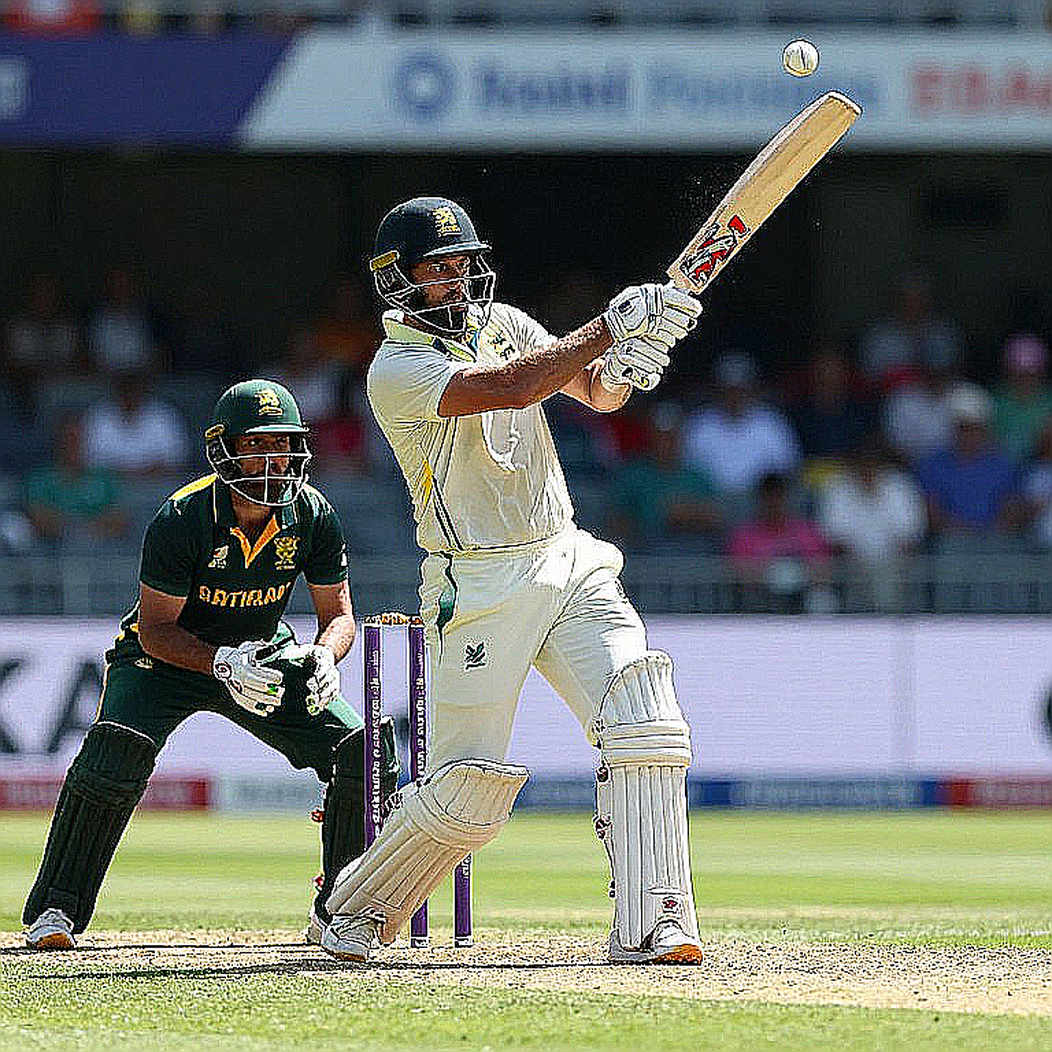
Fast-bowling injuries cannot be assessed simply by counting missed matches. Bowling at high pace places repeated mechanical stress on the body. The run-up, front-foot landing, trunk rotation and release all require the back to tolerate significant force. General fitness returning does not automatically mean a bowler can withstand repeated high-intensity spells.
Western Australia's cautious approach is therefore important. The state is building Morris up gradually rather than treating one successful appearance as clearance for immediate international selection. A return to Sheffield Shield cricket may provide the next meaningful stage, provided his body responds well to training and match workloads. The Big Bash League begins in December, but Morris's stated ambition is to return to Test cricket. That makes the sequence of his comeback more important than the quickest route to a short-format appearance.

First-class cricket is a practical test of medical progress as well as bowling skill. Ten overs in a one-day match are encouraging. Bowling long spells across several days, recovering between innings and returning for successive matches are more demanding requirements.
Years of following age-group and domestic cricket have shown how often a player's real selection story is written in documents that receive little public attention: state team sheets, workload plans and first-class scorecards. Morris's next important evidence will come from his next domestic appearances, not from another headline about his fastest delivery.
What the Three Wickets Tell Us
Morris's 3-29 should be read beyond the wicket column. He conceded 29 runs in 10 overs, an economy rate of 2.90. Against a batting group that included Root, Duckett, Harry Brook and Archer, that was a controlled spell. The encouraging feature was the combination of pace and discipline.
Maximum speed attracts attention, but a 145 km/h delivery becomes more useful when the surrounding balls also force difficult decisions. If a bowler follows a fast delivery with loose width or loses control of his length, an experienced batter can adjust. Morris's economy rate suggests that he paired speed with reasonable control on this occasion.
Banton's dismissal came from an outside edge to Cameron Bancroft at slip. Root was hurried into a mistimed pull, while Atkinson fell later in the innings. These were different types of dismissals, and they indicate that Morris had an impact at more than one stage. Yet three wickets in one match remain a small sample. They cannot establish a sustainable method against established international batters.
England coach Brendon McCullum praised Morris's pace, bounce and ability to hit the intended length. The comment is relevant because it addressed execution as well as raw speed. It remains an observation from one match, however, rather than proof of a long-term technical change.
The WACA setting also deserves context. Perth has traditionally been associated with pace and bounce, conditions that can suit a bowler of Morris's type. There is no detailed pitch report or ball-by-ball evidence here to quantify the surface's contribution. It is safer to say that the venue may have suited his strengths and that flatter conditions will offer another test.
Morris's most useful achievement was not simply touching 145 km/h. It was maintaining an economy rate of 2.90 while taking three wickets. That is a promising return, not a career benchmark.
England's Preparation: Archer's Signal and Tongue's Absence
The warm-up match gave England two different messages. The 92-run win was a positive start to the tour, but Josh Tongue's serious toe injury weakened the pace-bowling options before the white-ball programme began. Tongue returned to England for further assessment, with no confirmed return timetable.
That absence matters in Australia, where fast-bowling roles can change across venues and match phases. England's three-match ODI series is scheduled for Perth, Adelaide and Hobart. The attack must balance early wickets with control through the middle and death overs. Archer's 3-34 was encouraging, but his availability and workload need to be managed carefully if the team is to avoid over-reliance on him.
Duckett's 59, Dawson's unbeaten 44, Brook's 27 from 19 balls and Will Jacks's 34 helped England reach 251. These contributions provide a useful preparation snapshot, but a tour match cannot establish how the batting group will perform under international pressure.
Jacob Bethell's knee issue also leaves some uncertainty around England's balance. His availability requires medical assessment and final selection confirmation. The squad combines experienced players such as Root and Archer with emerging options, but the precise combination will depend on fitness and conditions.
Australia's Selection Pathway and Morris's Current Position
Morris is not included in Australia's listed ODI squad. That does not prove that selectors have lost confidence in him. It shows that a state-level return and international selection are separate processes. His immediate priorities are availability, match fitness and the ability to tolerate a gradual increase in bowling workload.
Australia's wider pace structure includes established players and developing options. The management of senior quicks such as Pat Cummins, Josh Hazlewood and Mitchell Starc is part of the broader planning, while Mahli Beardman's emergence offers another pathway. Morris is different: his pace and potential have already been recognised, but his physical availability still needs to be demonstrated.
Domestic cricket contains many examples of players whose early promise was interrupted by injury, selection competition or limited opportunity. Others reached the national side through sustained domestic performance rather than a single celebrated start. Morris is still between those outcomes. He has the pace, a previous place in Australia's Test conversation and now a strong return performance. His next step depends on being available consistently.
For Australia, Morris becomes a genuine selection option when he can meet the hardest requirement of fast bowling: repeated availability. A Test side needs a bowler capable of delivering substantial overs across innings and matches, not simply one who can produce a fast spell on a particular afternoon.
The Sheffield Shield can test spell length, recovery between overs, performance across different phases and the body's response over several days. If Morris plays successive matches without symptoms, the selection discussion will have firmer foundations. Even a slightly lower top speed could be acceptable if control and availability improve. In a fast bowler's rehabilitation, sustaining an effective pace can be more valuable than immediately reproducing a previous maximum.
Bancroft and the Separation of Performance from History
Cameron Bancroft's name also carries historical context because of the 2026 Cape Town ball-tampering scandal. His past involvement remains part of public discussion, but current batting performance should be assessed separately from that disciplinary history. Bancroft scored 32 in this tour match. A reported 186 in Sheffield Shield cricket belongs to a separate domestic performance and should not be confused with his innings in this fixture.
Accountability and improvement can coexist. It would be wrong to erase the earlier incident, but it would also be limiting to judge every new innings only through that episode. Bancroft's current form should be assessed through recent scores, opposition quality and consistency. A large innings can be a strong signal without proving sustained performance on its own.
The same principle applies to Morris. One successful comeback does not make him a ready-made Test bowler; one large domestic innings does not settle every question about Bancroft's current standing. Further match records matter more than a single headline.
An Eight-Match Tour and the Workload Question
England's programme consists of three ODIs followed by five T20 internationals. It offers opportunities but also creates workload demands. Fast bowlers have different responsibilities in the powerplay, middle overs and final overs of ODI cricket. T20 cricket requires shorter, often more intense spells and clearly defined plans.
Tongue's absence and Archer's return should therefore be considered as workload questions as well as selection news. England must distribute overs, give alternatives opportunities and avoid excessive dependence on one bowler. Bethell's fitness may also affect the batting balance. Official team announcements and actual match workloads will provide a clearer picture.
Australia's home advantage does not guarantee results. Perth, Adelaide and Hobart can offer different surfaces and weather conditions. No confirmed pitch or weather details are available for the upcoming matches, so it would be premature to assume the entire series will favour fast bowlers. Day-night conditions may matter, but there is no verified evidence here to quantify dew or weather effects.
The series could serve as a selection laboratory for both sides. England must manage the replacement for Tongue and Archer's workload. Australia must balance established players with emerging talent. England's 92-run warm-up victory is a positive preparation result, but it should not be converted directly into a prediction for the official series.
The Main Risk in the Comeback Story
The easiest headline after Morris's performance is that Australia has its lost fast bowler back. That is attractive, but incomplete. A bowler can return to the field and still need time before being ready for the demands of multi-day cricket. After back surgery, the major risk is not simply a poor performance; it is a recurrence as workload increases.
Monitoring overs alone is insufficient. Intensity, spell length, recovery time, response after training and consecutive match availability all matter. The 145 km/h reading becomes more meaningful if it can be repeated across several matches without a loss of control. A slightly lower speed with consistent accuracy and availability could be a better sign of rehabilitation progress.
Public expectations create another risk. The 'Wild Thing' nickname and Root's dismissal naturally generate excitement, but a comeback narrative can quickly turn into selection pressure. Morris was already close to a Test debut once. The renewed discussion is understandable, but an immediate declaration of readiness would be premature.
Domestic cricket should remain central. A direct return to international cricket followed by another injury could put a lengthy rehabilitation investment at risk. The Sheffield Shield may look like a slower route, but long spells and multi-day workloads provide stronger evidence for a Test return.
What Comes Next
Morris's next selection, his availability for Sheffield Shield cricket and his ability to bowl repeated spells are the key signals. If he completes several innings without symptoms, the Test discussion will gain substance. His pace and economy should be assessed match by match rather than through one maximum-speed reading at the WACA.
For England, Archer's availability, Tongue's medical update and Bethell's fitness remain important. If Archer plays consecutive ODIs effectively, some of the pressure created by Tongue's absence may ease. If injuries accumulate, England may need to alter its bowling combination.
The next decisive number in Morris's comeback may not be his fastest delivery. It may be the fact that he is available to bowl in his third or fourth successive match. That is the consistency that can turn pace into genuine Test-selection value. The WACA scorecard has reopened the door; domestic red-ball cricket must now keep it open.